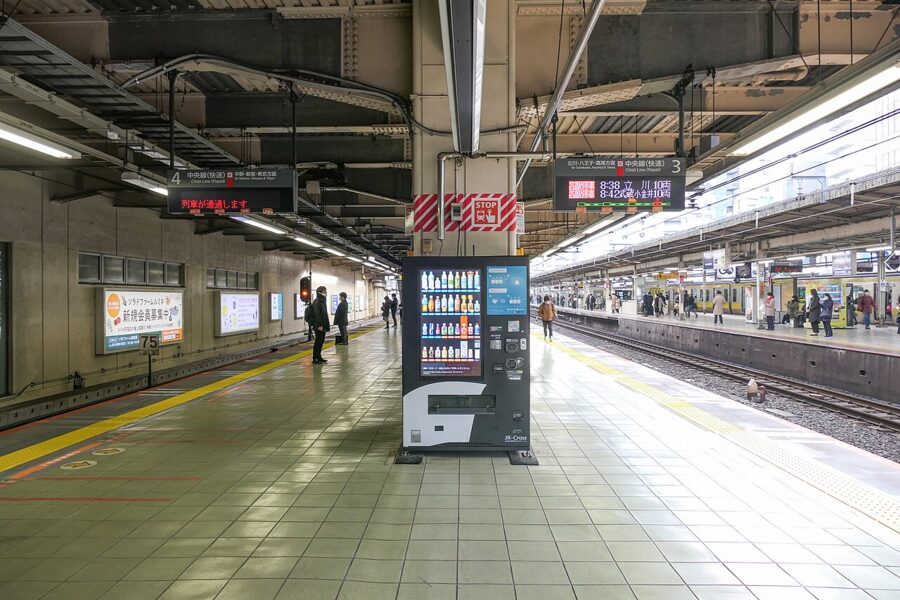
On a Saturday morning the orange Chuo Line rapid trains run straight through Koenji, Asagaya and Nishi-Ogikubo without stopping, and the platforms they would use sit closed. Hardly anyone who lives there minds. Those three stations, and Ogikubo between them, are the reason many people move to Suginami (杉並区), and the weekend rule says a lot about the ward: it was built for people going home, not people passing through.
Suginami is the wide residential block on Tokyo’s west side between Shinjuku and the city of Musashino. It covers about 34 square kilometres and had roughly 585,000 residents in autumn 2026 by the ward’s own count, about 26,000 of them foreign nationals. There is no single downtown. What you get instead is a string of station towns, each with its own shopping street, its own crowd and its own rent, and choosing the right one matters more than choosing the ward.
I would put it near the top of any shortlist for someone with a job in Shinjuku or along the Marunouchi Line who wants a real neighbourhood, a short ride and a rent that does not swallow the salary. It is a weaker choice if you want nightlife and quiet on the same street, an international school nearby, or a fast trip to the airport.
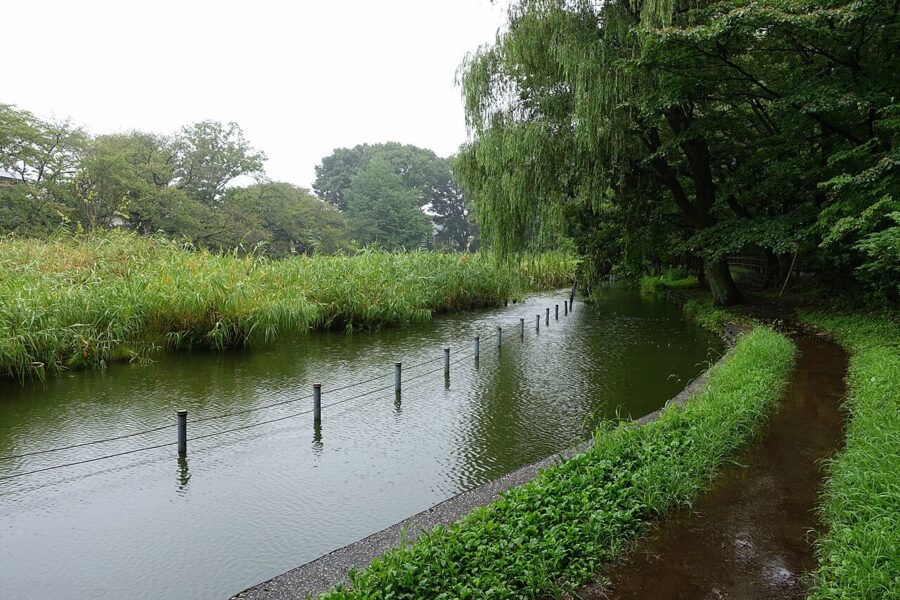
The other draw is space. Away from the station fronts the ward is low-rise houses and small apartment blocks, threaded with river paths and two large parks, and it is about as green as Tokyo gets this close to Shinjuku.
In this article6 parts
Where Suginami sits, and the four lines through it
The ward borders Nakano to the east, Shibuya and Setagaya to the south-east and south, Nerima to the north, and the cities of Mitaka and Musashino to the west. Four railway lines cross it, all running roughly east to west, and each one gives the streets around it a different character. Knowing which line you are on tells you where your commute goes and what your weekend looks like.
- JR Chuo Line (rapid) and Chuo-Sobu Line (local): Koenji, Asagaya, Ogikubo and Nishi-Ogikubo, the ward’s best-known spine, running to Shinjuku and on to Tokyo Station.
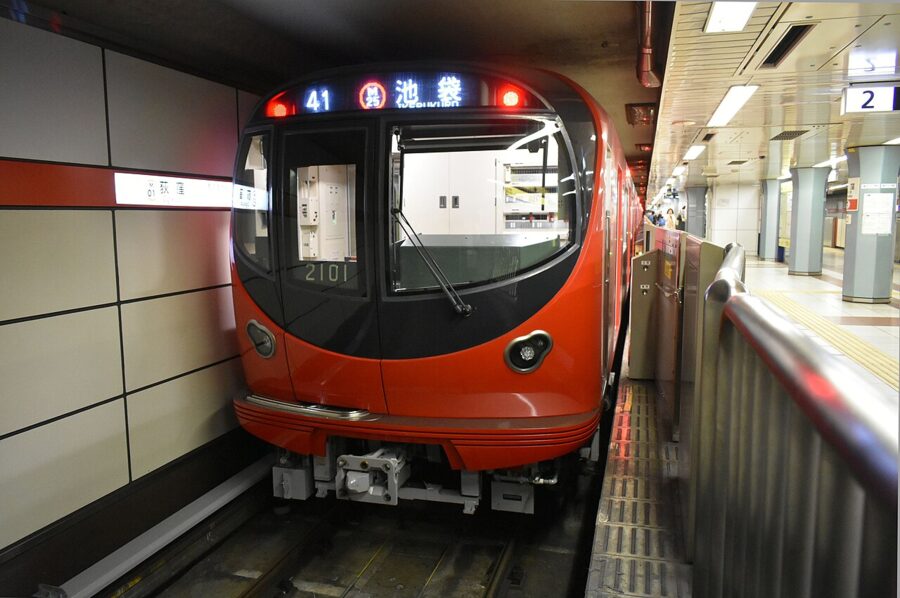
- Tokyo Metro Marunouchi Line: Shin-Koenji, Higashi-Koenji and Minami-Asagaya, ending at Ogikubo, plus a short branch to Honancho in the south-east. It runs under Ome-kaido through Shinjuku, Ginza and Tokyo Station.
- Keio Inokashira Line: Eifukucho, Nishi-Eifuku, Hamadayama, Takaido, Fujimigaoka and Kugayama along the southern edge, running to Shibuya.
- Seibu Shinjuku Line: Shimoigusa, Iogi and Kamiigusa in the north, running to Seibu-Shinjuku.
The times below are for Saturday evening trains in November 2026, platform to platform: add the walk to the station, and a few minutes at rush hour. Fares are IC card fares as of November 2026, after JR East’s fare revision of March 2026.
| From | To | Fastest train | Time | IC fare |
|---|---|---|---|---|
| Ogikubo | Shinjuku | JR Chuo Line rapid | 9 min | ¥209 (about $1.30) |
| Ogikubo | Shinjuku | Marunouchi Line | 14 min | ¥209 (about $1.30) |
| Ogikubo | Tokyo Station | JR Chuo Line rapid | 24 min | ¥341 (about $2.15) |
| Ogikubo | Tokyo Station | Marunouchi Line | 33 min | ¥252 (about $1.60) |
| Koenji | Shinjuku | Chuo-Sobu local (weekend) | 10 to 11 min | ¥199 (about $1.25) |
| Nishi-Ogikubo | Shinjuku | Chuo-Sobu local (weekend) | 17 to 18 min | ¥253 (about $1.60) |
| Eifukucho | Shibuya | Inokashira Line express | 9 min | ¥160 (about $1) |
| Kamiigusa | Seibu-Shinjuku | Seibu Shinjuku Line, change to express at Saginomiya | 21 min | ¥245 (about $1.55) |
Two things stand out. Ogikubo to Shinjuku in nine minutes is quicker than plenty of addresses inside the Yamanote loop. And because the Marunouchi Line starts at Ogikubo, you can wait one train and sit all the way to Ginza or Otemachi, which on a forty-minute daily ride is worth more than the eight minutes the JR route saves.
The weekend rule on the Chuo Line
On weekdays the Chuo Line rapid stops at every Suginami station. On Saturdays, Sundays and public holidays it does not stop at Koenji, Asagaya or Nishi-Ogikubo at all: JR East’s own timetables for those stations list no weekend rapid service, and the rapid platforms stay closed. You ride the yellow Chuo-Sobu local instead, which still reaches Shinjuku from Koenji in about eleven minutes.
For a commuter it changes nothing. For a weekend trip west to Kichijoji, Mitaka or the mountains past Takao, it means one extra change, usually at Ogikubo or Nakano. Locals tend to like the arrangement, because it keeps three stations a little quieter than their position on the map would suggest.
Getting around inside the ward
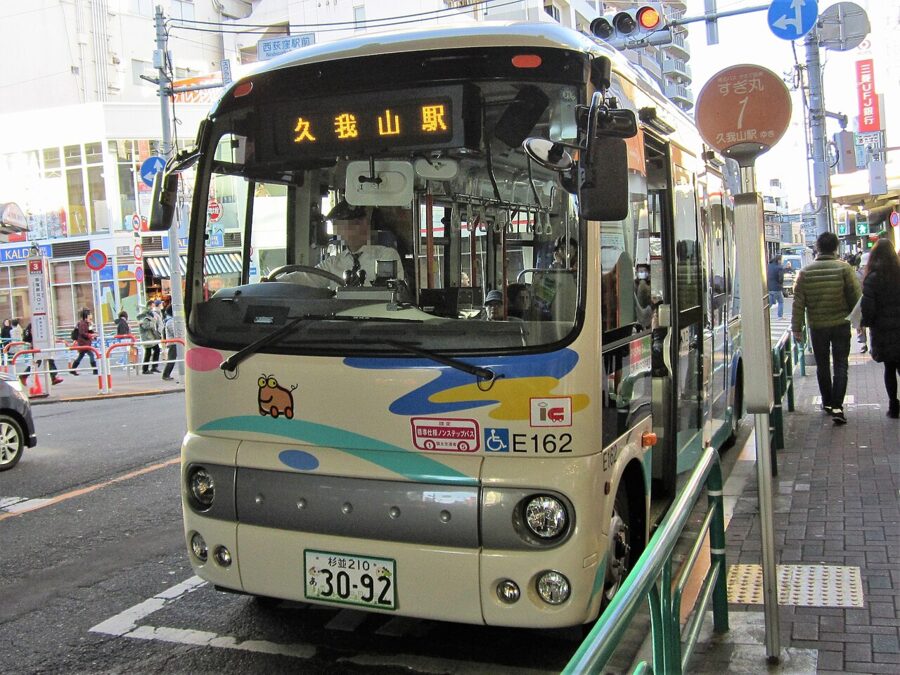
The rail lines run east to west, so going north to south inside Suginami is the awkward direction. Buses fill the gap, and the ward runs its own small community buses, called Sugimaru, on routes the main operators skip. Most residents also own a bicycle: the ward sits on flat ground, and a ten-minute ride often beats a bus that needs two changes.
The neighbourhoods, one station at a time
Rents below are average asking rents on listings over the three months to November 2026, by station. A 1K is a single room with a separate kitchen area; a 1LDK adds a living-dining room. Treat them as a starting point: the age of the building and the walk from the station move the number more than anything on this page.
Koenji: secondhand clothes, live music and late nights
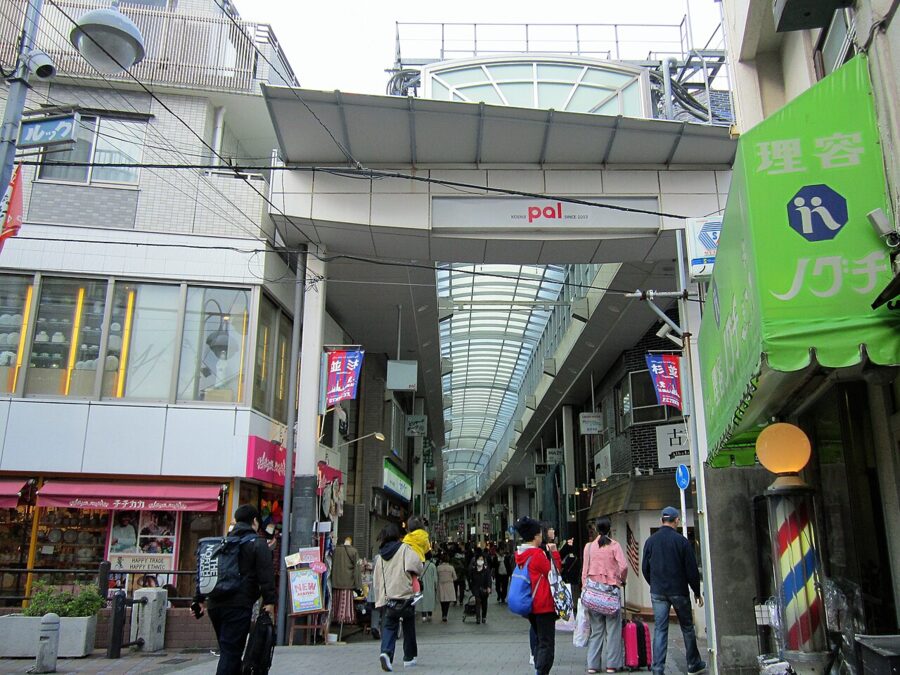
Koenji is the loudest of the Suginami towns and the one with the strongest identity. North of the station is the Junjo shopping street; south of it, the covered Pal arcade runs into the Look shopping street and on towards Shin-Koenji on the Marunouchi Line. In between is a dense tangle of small bars, secondhand clothing shops, record shops and live houses, the small music venues that have kept the area’s reputation going for decades.
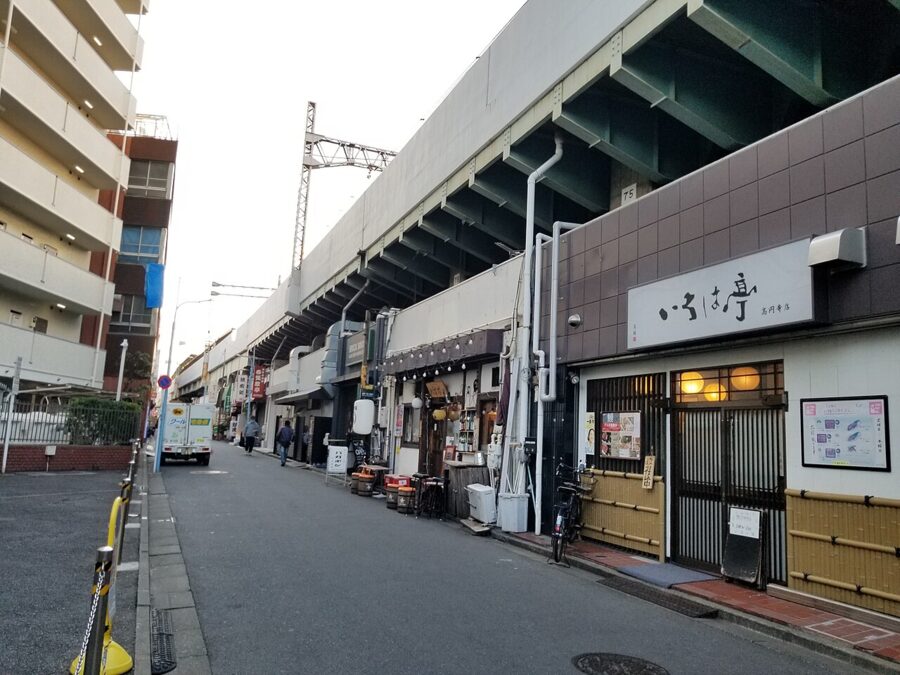
It is also the most expensive of the four Chuo Line stations for a small flat. A 1K averaged ¥87,000 (about $550) a month in the three months to November 2026, and a 1LDK about ¥146,000 (about $920). If you like the area but not the price, Shin-Koenji and Higashi-Koenji on the Marunouchi Line are a ten-minute walk south and feel like ordinary residential streets.
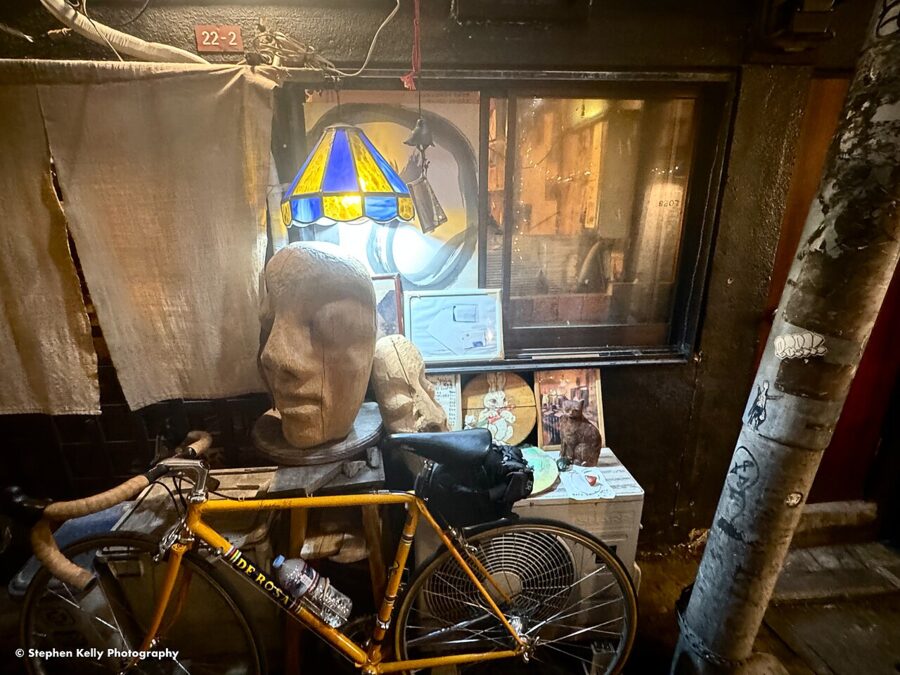
Who it suits: people in their twenties and thirties who want to go out without catching a train home, and anyone who buys their clothes secondhand. Who it does not: light sleepers within two or three blocks of the station, where Friday and Saturday nights carry on well past midnight. A street or two further out, it goes quiet quickly.
Asagaya: the covered arcade and the ward office
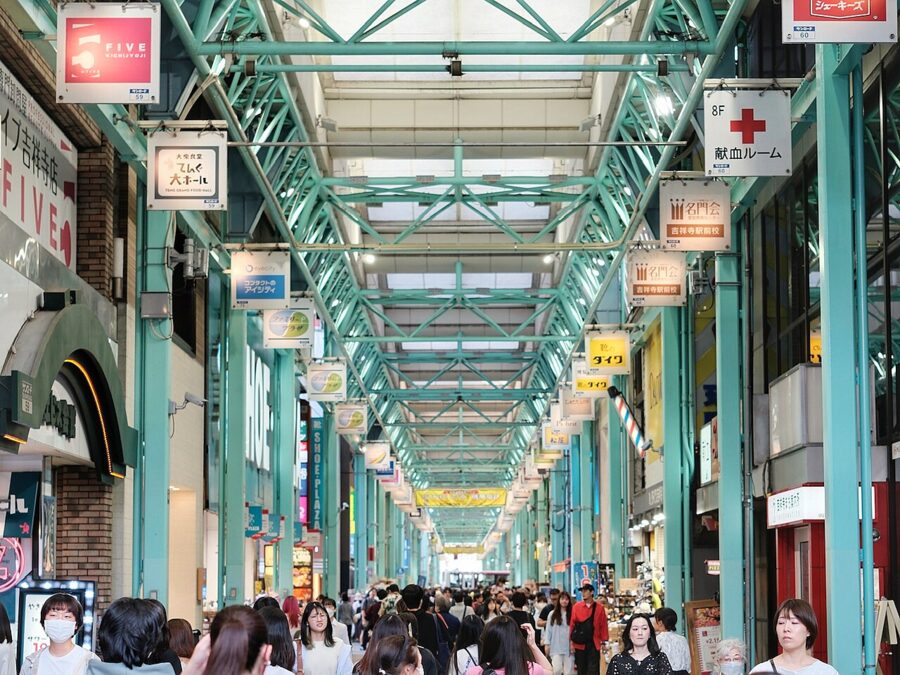
Asagaya is one stop west and much gentler. The Pearl Center, a covered shotengai (商店街, a local shopping street) of grocers, bakeries, tea shops and small restaurants, starts at the station’s south exit and runs down to Ome-kaido. Most of the town shuts down by ten, apart from the bars around the tracks and a handful of jazz bars.
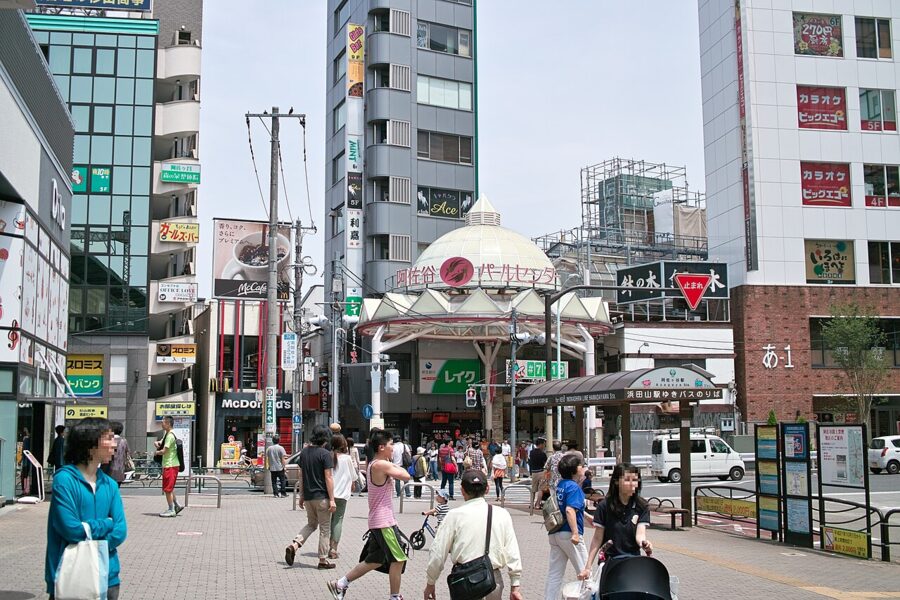
Rents sit a little below Koenji: about ¥84,200 (about $530) for a 1K and ¥140,400 (about $885) for a 1LDK. The ward office is at the south end of town, which is handy for the first few weeks and irrelevant after that. I would pick Asagaya over Koenji for anyone who wants the same easy access to Shinjuku and the same small-shop streets, but with a quiet night’s sleep.
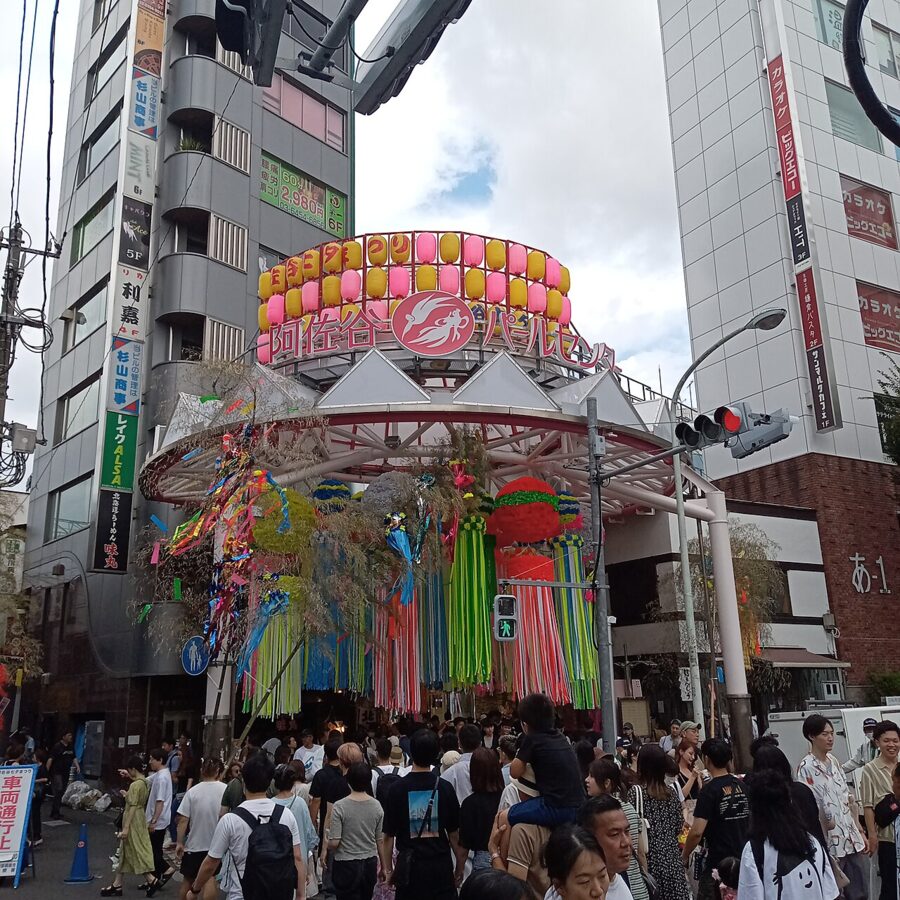
Asagaya fills up twice a year. The Tanabata festival hangs papier-mache figures and streamers through the Pearl Center in early August (7 to 11 August in 2026), and Asagaya Jazz Streets brings live jazz to around 55 venues across the town at the end of October (30 and 31 October in 2026).
Ogikubo: the hub, with gardens to the south
Ogikubo is the biggest station in the ward and the most complete place to live: JR rapid and local trains, the start of the Marunouchi Line, a large bus terminal, station shopping centres, big supermarkets and a deep stock of flats. It is also known across Tokyo for its old-style soy-sauce ramen, and the streets around the north exit are where most of the shops are.
It is not the most expensive station for a small flat. A 1K averaged about ¥81,900 (about $515) and a 1LDK about ¥137,900 (about $870) over the three months to November 2026, slightly below Koenji and Asagaya. That surprises people who assume the hub costs more, but Ogikubo has a lot of older mid-size buildings and plenty of choice.
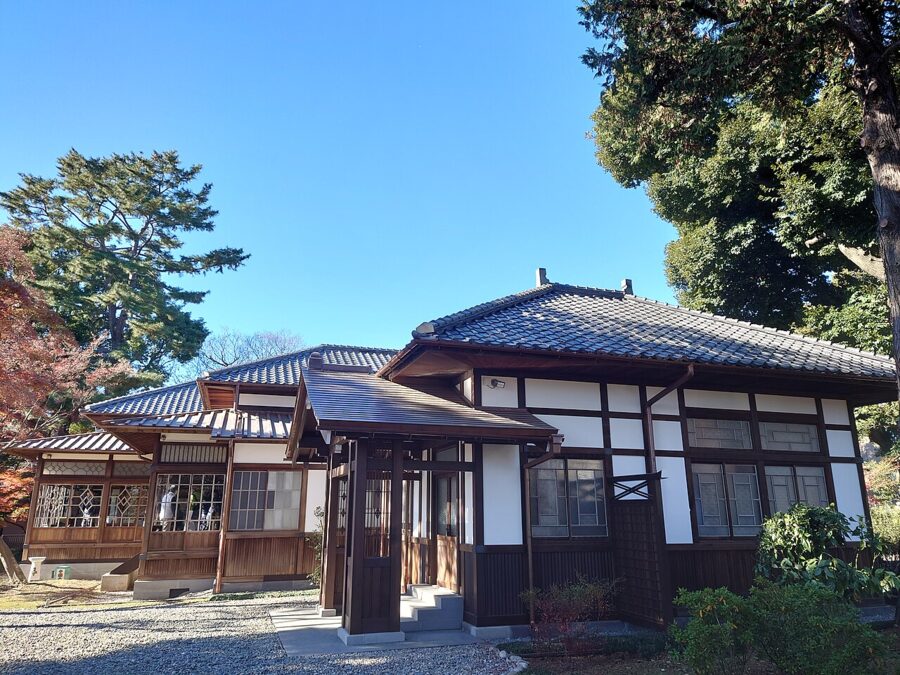
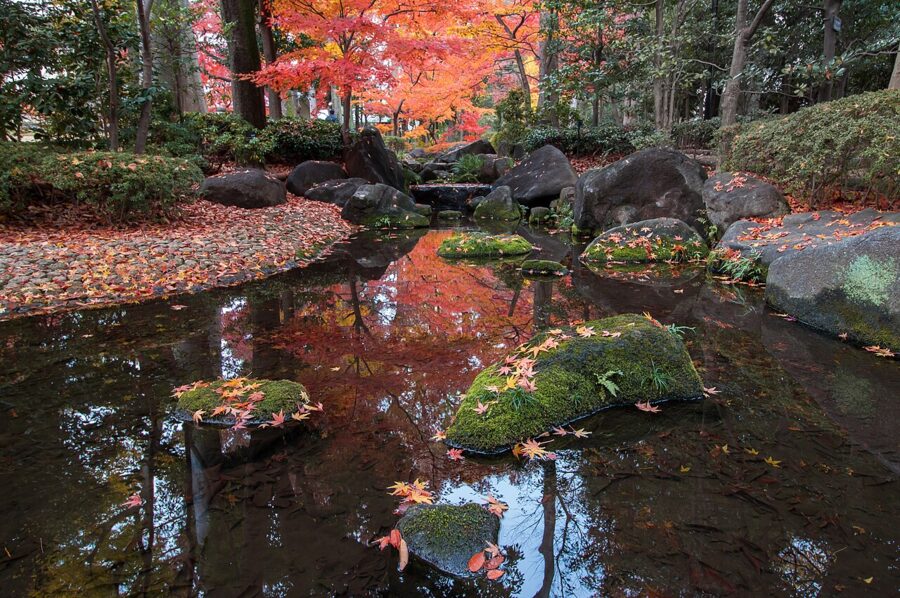
South of the station is the quiet, leafy side of Ogikubo, with large old houses and two gardens worth a Sunday walk. Tekigaiso Park, the former residence of prime minister Konoe Fumimaro, is open 9am to 5pm (last entry 4:30pm), closed Wednesdays and over New Year, with adult entry at ¥300 and ¥150 (about $1) for school-age children. Otaguro Park nearby is a Japanese garden laid out on the estate of a music critic, and it is at its best when the ginkgo and maples turn in late autumn.
Nishi-Ogikubo: antiques and small restaurants
Nishi-Ogikubo, usually shortened to Nishiogi, is the last Suginami stop before Kichijoji. It is the smallest of the four Chuo Line towns and has the most independent shops per street: antique dealers, secondhand bookshops, small cafes, cheap Asian restaurants. There is no big shopping centre, and the residents like it that way.
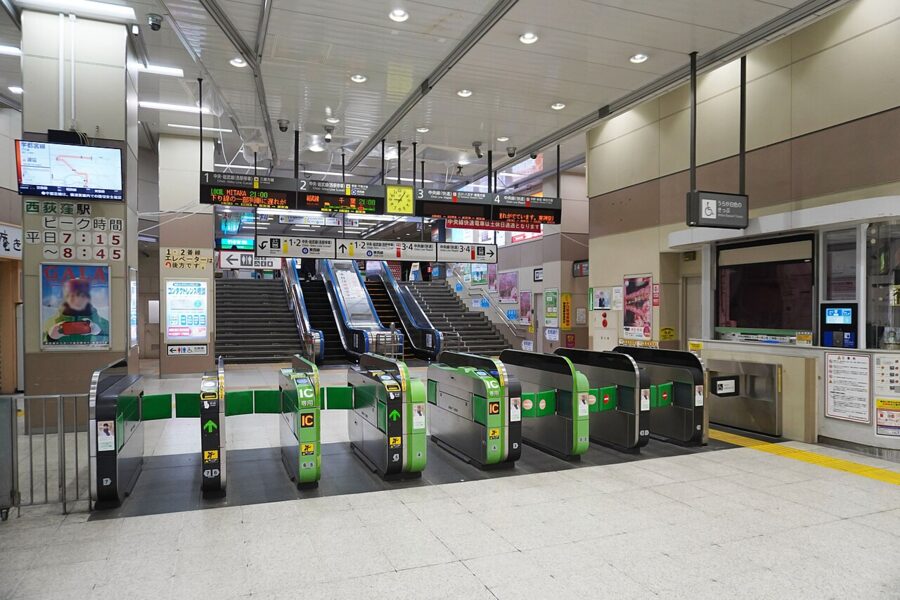
It is also the cheapest of the four for a 1K, at about ¥80,200 (about $505), with a 1LDK about ¥131,500 (about $830). The catch is the longest ride to Shinjuku of the Chuo Line stations, around seventeen minutes on the weekend local. If your work is in Shinjuku and you are happy with one extra stop, Nishiogi gives you the most for the money; Kichijoji’s department stores and Inokashira Park are one stop further, in the next city.
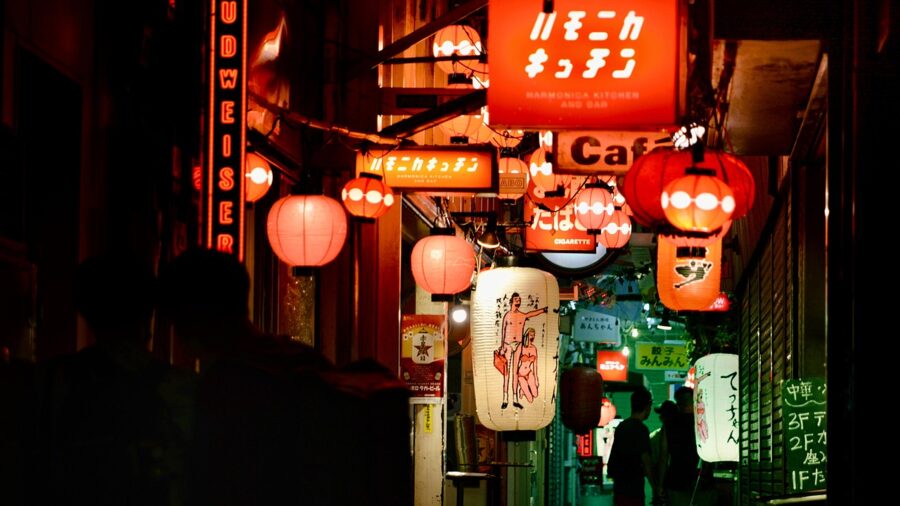
The quieter south: Eifukucho, Hamadayama and the Zenpukuji River
South of Ome-kaido the ward turns into wide residential streets around the Keio Inokashira Line, with the Zenpukuji River winding through the middle in a long green belt. This side of Suginami looks to Shibuya rather than Shinjuku. Eifukucho, the express stop, is nine minutes from Shibuya, and Hamadayama and Kugayama are small, tidy station towns with a supermarket and not much else.
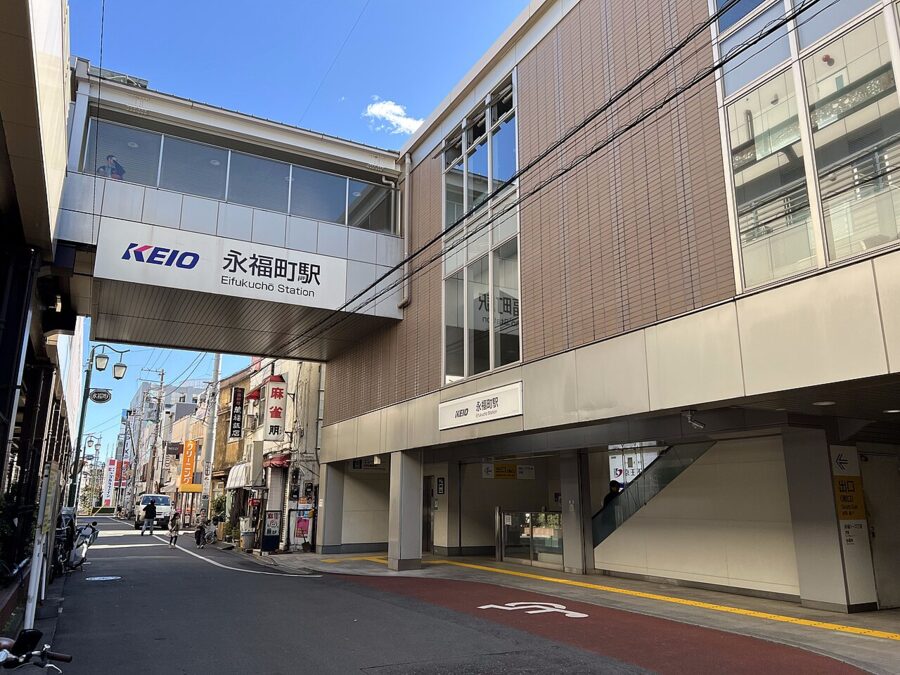
Rents here are close to the Chuo Line average but you get more space and quiet for them. A 1K near Eifukucho averaged about ¥84,900 (about $535), a 1LDK about ¥138,200 (about $870); near Hamadayama the figures were ¥83,600 (about $525) and ¥137,200 (about $865). This is where I would look for a family flat with a park nearby and a commute towards Shibuya.
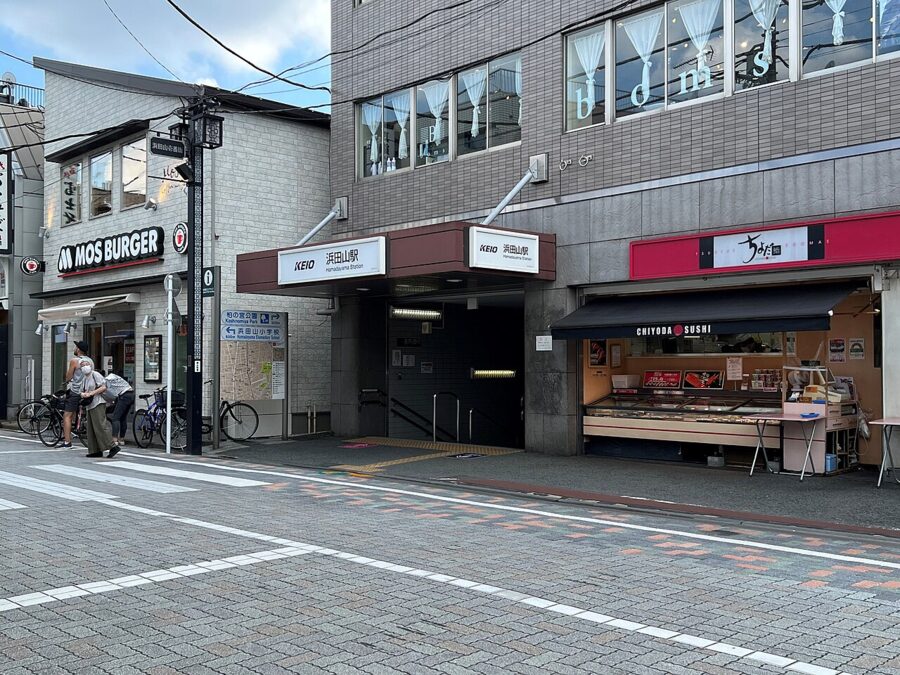
The Seibu Line north: the ward’s cheapest rents
The northern strip along the Seibu Shinjuku Line, through Shimoigusa, Iogi and Kamiigusa, gets the least attention and has the lowest rents. A 1K near Shimoigusa averaged about ¥74,600 (about $470) and a 1LDK about ¥118,800 (about $750), well below the Chuo Line towns. The trade-off is a slower, less frequent line into Seibu-Shinjuku, which is on the far side of Shinjuku’s main station from most offices.
Rents at a glance
| Station (line) | 1K | 1LDK |
|---|---|---|
| Koenji (JR) | ¥87,000 (about $550) | ¥146,000 (about $920) |
| Asagaya (JR) | ¥84,200 (about $530) | ¥140,400 (about $885) |
| Ogikubo (JR, Marunouchi) | ¥81,900 (about $515) | ¥137,900 (about $870) |
| Nishi-Ogikubo (JR) | ¥80,200 (about $505) | ¥131,500 (about $830) |
| Eifukucho (Inokashira) | ¥84,900 (about $535) | ¥138,200 (about $870) |
| Hamadayama (Inokashira) | ¥83,600 (about $525) | ¥137,200 (about $865) |
| Shimoigusa (Seibu) | ¥74,600 (about $470) | ¥118,800 (about $750) |
| Suginami ward average | ¥83,300 (about $525) | ¥137,300 (about $865) |
Average asking rents on listings over the three months to November 2026. Budget roughly four to six months’ rent for the move itself once the deposit, key money, the agent’s fee and a guarantor company are added up, and always ask whether the key money can be waived.
Paperwork at the ward office
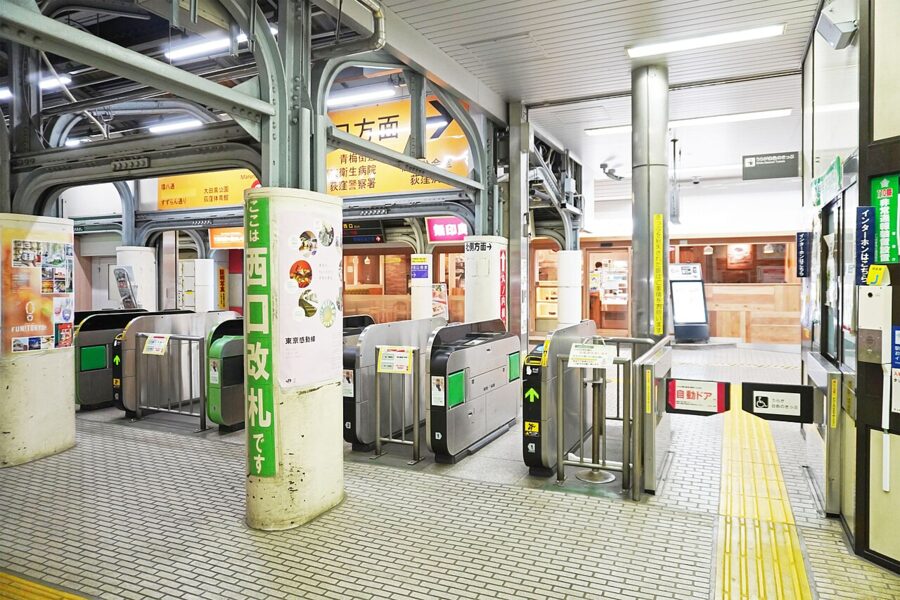
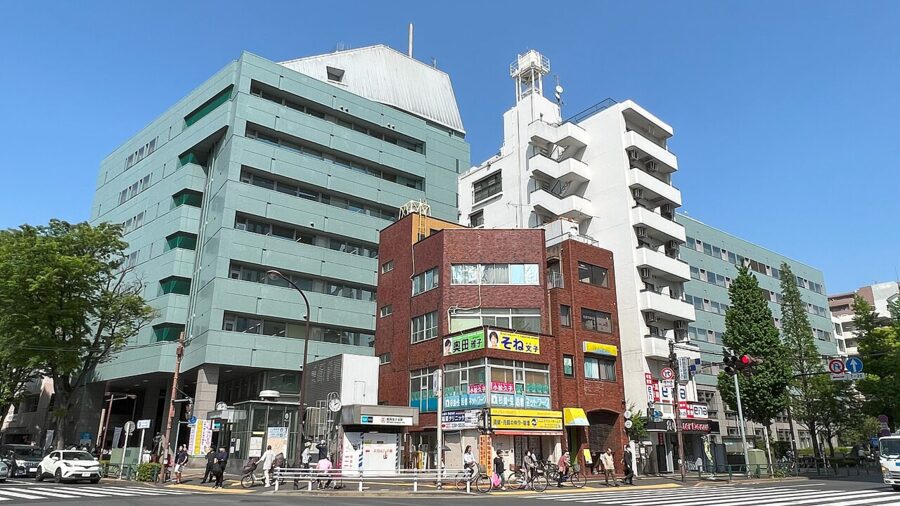
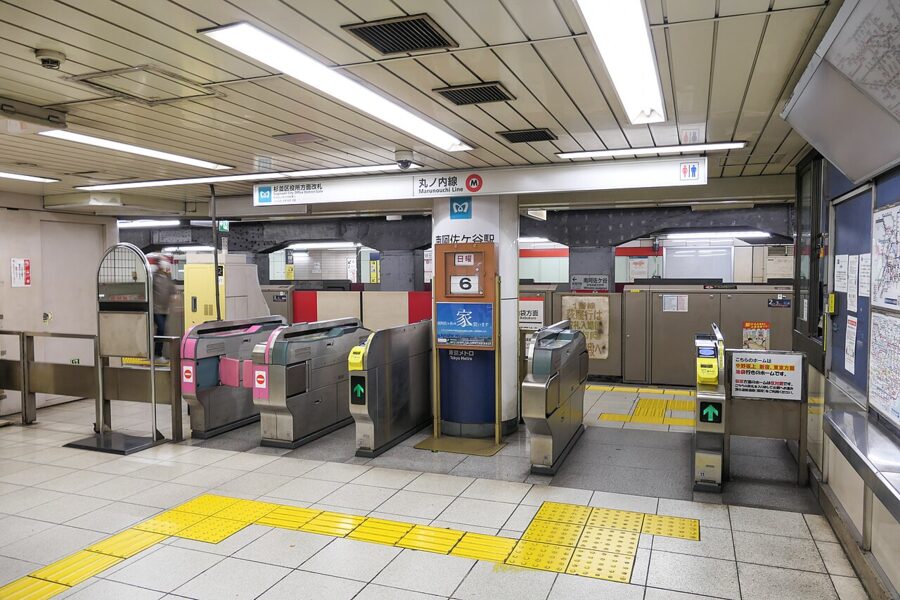
Suginami Ward Office is at 1-15-1 Asagaya-minami, on Ome-kaido, next to Minami-Asagaya Station on the Marunouchi Line, which has a ticket gate signed for the office. From JR Asagaya it is a walk down the length of the Pearl Center. Weekday hours at the residents’ counter are 8:30am to 5pm.
Registering your address
Anyone who moves into the ward must file a moving-in notice within 14 days, with a residence card for foreign residents. If you are arriving from abroad, go on a weekday. The ward opens on some Saturdays (9am to 5pm at the main office on the first, third and fifth Saturdays, and at the branch offices on the second and fourth), but it cannot process arrivals from overseas or other cases that need checks with another office on those days.
Do the rest on the same visit. If your employer does not enrol you in company health insurance, you join National Health Insurance at the ward, and if you are between 20 and 59 and not in a company pension scheme you register for the National Pension there too. Ask about the My Number card at the same counter, and pick up the ward’s booklet on sorting rubbish before you leave.
Ward resident tax is charged on the previous year’s income to whoever lives in the ward on 1 January. In your first year in Japan it may not arrive at all, and in your second it can arrive as a sizeable bill if your company does not deduct it from your salary.
Help in English and other languages
The ward runs a free foreign-language advice service at its residents’ consultation section on the first floor of the east building. As of November 2026, English advisers are in on Monday and Thursday afternoons and Tuesday and Friday mornings (mornings 9am to noon, afternoons 1pm to 4pm). Chinese has four sessions a week and Nepali one, and Korean, Vietnamese and French are available by appointment.
For the counters themselves, the ward has a free interpreter call service in 13 languages, including English, Chinese, Vietnamese, Nepali, Korean, Spanish and Tagalog. You connect from your own phone by scanning a QR code, on weekdays from 8:30am to 5pm; the interpreting is free, your phone data is not.
Rubbish, and the April 2026 change
Suginami has no designated rubbish bags. Use a clear or see-through bag, or a container with a lid, and put it out at your building’s collection point by 8am on the right day. The days differ by street, so check your address in the ward’s collection-day search or the calendar in the booklet; your building manager or neighbours will notice quickly if you get it wrong.
Since April 2026, items made entirely of plastic go out with plastic packaging as “resource plastic” across the whole ward, where many used to go in burnable rubbish. Lunch boxes, toys and cutlery that are 100 percent plastic now go in the same bag as bottles, trays and wrappers. Anything with a metal part does not: a hanger with a metal hook is still burnable, and a toy with metal parts is non-burnable. Large items such as furniture are collected for a fee, booked in advance, with a sticker bought from a local shop.
Shopping streets, parks and a Suginami weekend
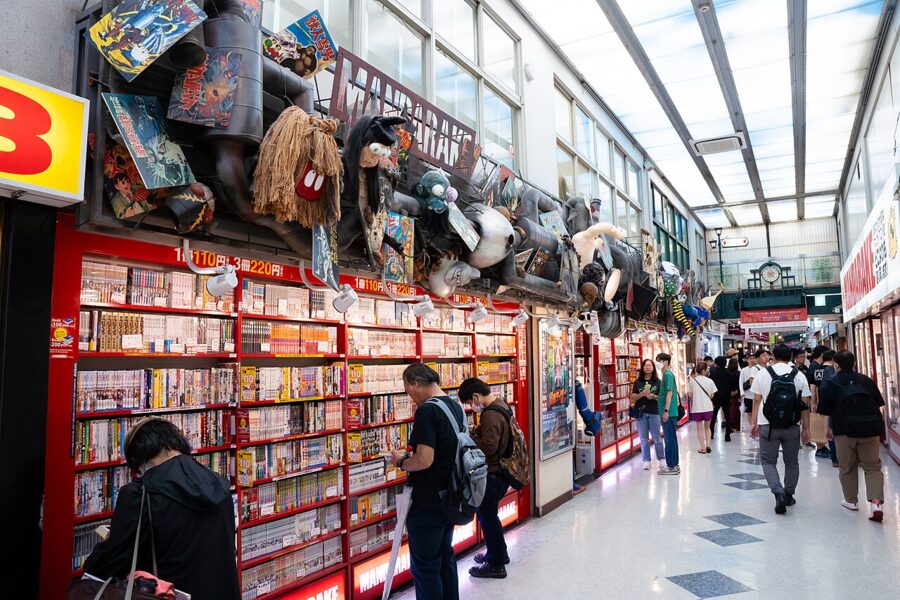
Daily shopping in Suginami happens on foot, in the shotengai around each station, more than in malls. There is no large shopping centre in the ward to speak of; for that most people go one stop west to Kichijoji or east to Nakano. What the station streets lack in size they make up in being open late, cheap and close.
Parks
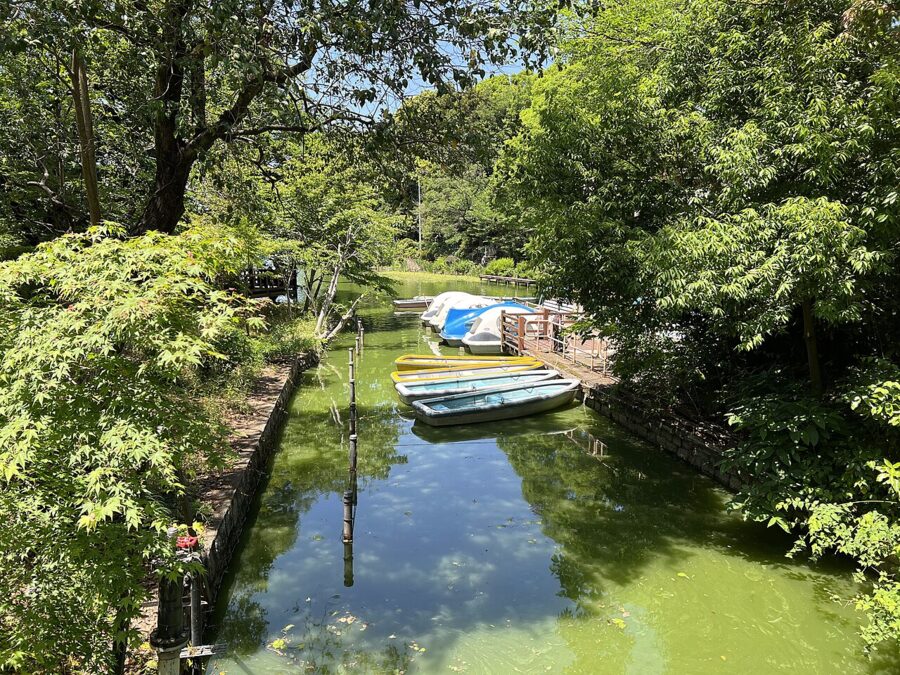
Zenpukuji Park, a Tokyo Metropolitan park in the north-west of the ward, is the best of them. Nearly half of its 8 hectares is water: the upper pond with a boat house and two small islands, and the lower pond half-covered in reeds, with a waterfall restored at the old spring. There is no car park, so come by bus: from Ogikubo take the Kanto Bus towards Minami-Zenpukuji and get off at Zenpukuji Koen, or from Nishi-Ogikubo take a bus towards Kami-Shakujii.
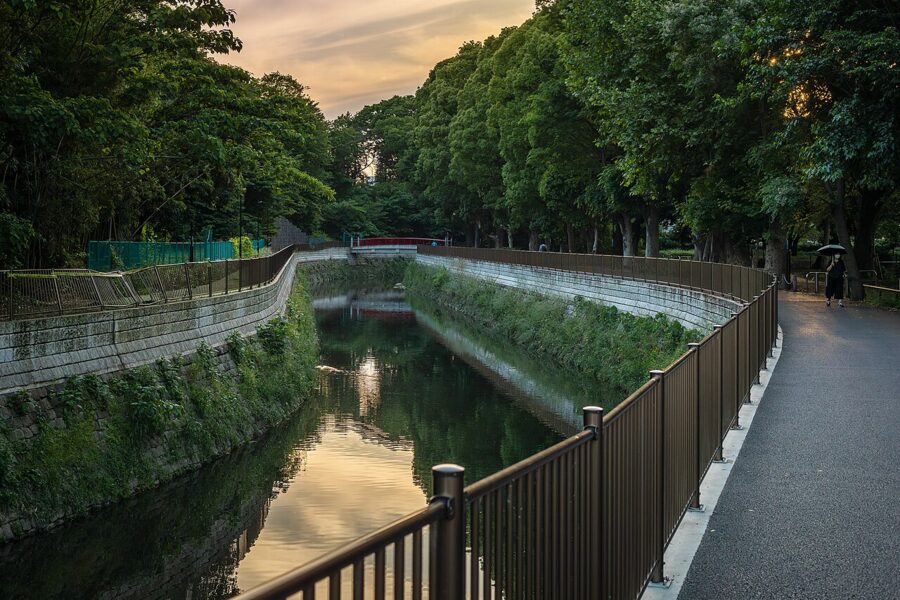
The other green spine is the Zenpukuji River, which flows from that park across the ward to the Kanda River. The stretch through Zenpukuji River Green Space and Wadabori Park in the south is lined with cherry trees, sports grounds and play areas, and it is the closest thing west Tokyo has to a long riverside park. On a fine weekend it is where Suginami’s families are.
Festivals
The Koenji Awa Odori is the ward’s big night out. On the last weekend of August, dance groups in straw hats and cotton robes parade through the shopping streets on both sides of Koenji Station and along Konan-dori. In 2026 it ran on 29 and 30 August, from 5pm to 8pm each evening, rain or shine.
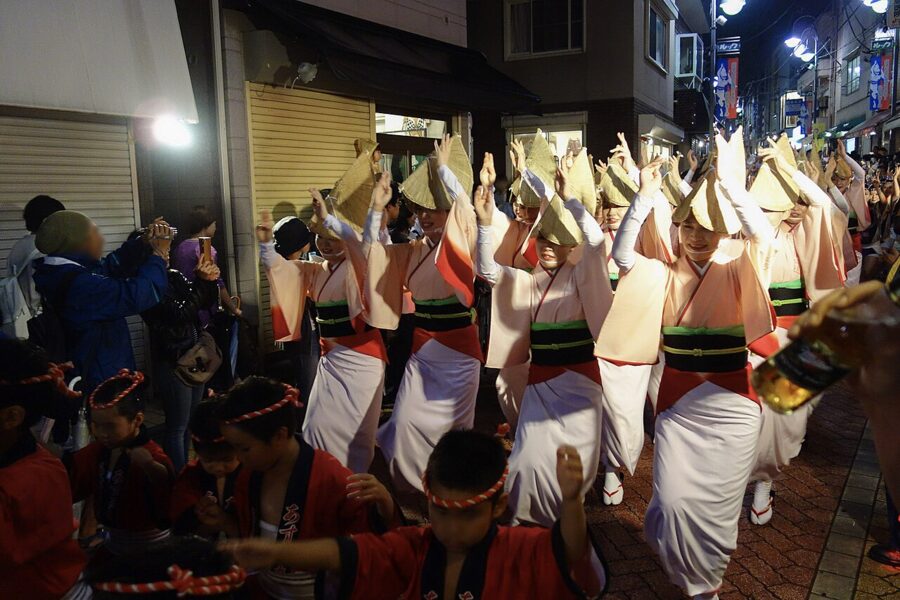
If you live within a few streets of the route it is loud, crowded and hard to get home through, and I would plan either to join in or to go away for the weekend. Asagaya’s Tanabata in early August and its jazz weekend at the end of October are smaller, slower and easier to enjoy from your own street.
Families: nurseries, schools and room to grow
Suginami has long been one of the wards Japanese families move to when they outgrow a flat in the centre, and the reasons are easy to see: larger flats for the money, quiet streets, parks along the rivers and a good reputation for ward-run schools. It is a sensible ward for a family with a parent working in Shinjuku or along the Marunouchi Line.
Daycare
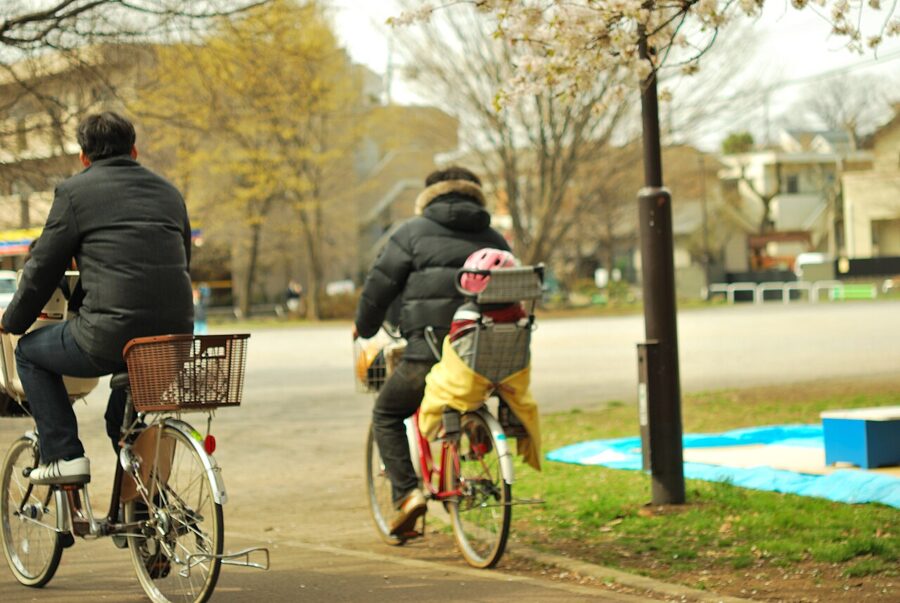
Places at licensed nurseries are allocated by the ward on a points system that weighs both parents’ working hours and family circumstances. The main intake is April, and the first application round for April 2027 ran from 1 October to 30 November 2026. If you are moving with a baby or toddler, contact the ward’s childcare section before you sign a lease, because the nursery you can get may decide which part of the ward you live in.
Schools and children’s costs
Children who live in the ward can attend the local ward-run elementary and junior high schools free of charge, and lunch at those schools has been free since October 2023. The children’s medical subsidy covers residents from birth to the end of March after their 18th birthday; for insured treatment at clinics in Tokyo there is nothing to pay at the counter (as of November 2026).
Most of Tokyo’s large international schools are in other wards, so a family that needs one should expect a train commute. The ward is a better fit for families putting children into Japanese schools, or for those happy with an international preschool and a long ride later on.
What Suginami is less good for
- A single centre. Each station is its own small town. If you want one downtown with everything within ten minutes’ walk, Shibuya or Shinjuku wards suit you better.
- Airports. Neither Haneda nor Narita is close, and both trips need a change in central Tokyo.
- Weekend trains. No rapid service at three of the four Chuo Line stations on Saturdays, Sundays and holidays.
- Nightlife and sleep together. Koenji has plenty of the first and Asagaya plenty of the second, and the two are not the same street.
- Help in English. Clinics, estate agents and landlords here are used to Japanese tenants. You will manage, but expect fewer English-language listings than in Minato or Shibuya and lean on a bilingual agent.
On safety, it is one of the calmer parts of the city: low-rise, residential and busy with people walking dogs and children. The places to think about are the streets right next to Koenji’s bars on a Saturday night, where the problem is noise and drunks rather than crime, and the low ground along the rivers, which the ward’s flood hazard maps cover in detail; check the map for any ground-floor flat near the Zenpukuji or Kanda rivers.
Suginami or the ward next door?
Most people choosing Suginami are also looking at Nakano to the east, Setagaya to the south and Nerima to the north. Ward-wide averages hide a lot, but they show the pattern.
| Ward | 1K | 1LDK | 2LDK | Best for |
|---|---|---|---|---|
| Suginami | ¥83,300 | ¥137,300 | ¥181,600 (about $1,145) | Short rides to Shinjuku, quiet streets, station-town life |
| Nakano | ¥91,000 (about $575) | ¥145,200 (about $915) | ¥188,300 (about $1,185) | Being even closer to Shinjuku, denser and busier |
| Setagaya | ¥90,100 (about $570) | ¥149,700 (about $945) | ¥199,700 (about $1,260) | Commutes towards Shibuya, larger family homes |
| Nerima | ¥78,600 (about $495) | ¥119,300 (about $750) | ¥151,700 (about $955) | Space on a budget, longer rides |
Average asking rents on listings over the three months to November 2026. Nakano is the closest comparison and, at ward level, a little dearer for small flats: you pay a few thousand yen more for being one or two stops nearer Shinjuku, and you get busier streets for it. Setagaya is the choice if your office is in Shibuya or along the Tokyu lines, and just past its edge, Toyoko Line towns such as Jiyugaoka compete with Suginami’s Inokashira Line stations on calm and greenery, at a higher price.
Nerima is cheaper again but further out, and most of it depends on the Seibu lines or the Oedo subway. Kichijoji, just west of Nishi-Ogikubo, is not a ward at all but part of Musashino city, and it is the place Suginami residents go for department stores and Inokashira Park. Living there gives you the shops on your doorstep at the cost of a few more minutes to Shinjuku.
Pick the station before you pick the flat. If the thought of the rapid trains running past your platform on a Saturday sounds like a feature rather than a flaw, Asagaya or Nishi-Ogikubo is probably your stop.