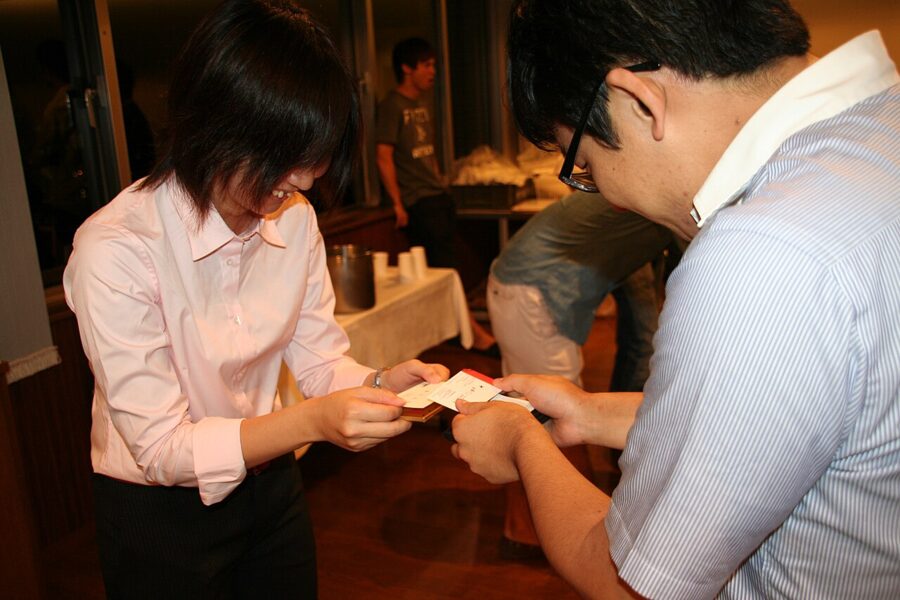
The business card you are handed at your first meeting in Tokyo has one line that matters more than the name on it. It sits above the name in smaller type, it says something like 営業部 部長, and it has already decided where everyone in the room will sit, who will speak first and how you will address that person for the next ten years.
Japanese company titles look like a simple ladder from shacho (社長, the president) down to the newest graduate, and in the middle of a large company they mostly are. The trouble starts at both ends. At the top, legal offices and in-house ranks share names, and in the middle every company adds its own deputies, acting heads and specialists. This is the order, what each rung actually does, and what you say to the people standing on them.
Two warnings before the table. Every company draws its own chart, so treat any list, including this one, as the common pattern and not a rule. And the title on the card is only half the information: a kacho at a trading house with forty people under her and a kacho at a ten-person design studio share a word and very little else.
In this article7 parts
- The ladder, from the top down
- Board level versus line management, and why they blur
- Titles, age and pay
- How titles are used when speaking and writing
- Seating, introductions and who speaks first
- Large firms, small firms, foreign firms and the civil service
- What to call your own manager and a client’s
The ladder, from the top down
This is the order you will meet in a traditional Japanese stock company, a kabushiki kaisha. The English equivalents are the ones companies most often print on the back of their cards, but they vary between firms, so read the right-hand column before the English one.

| Kanji | Reading | Closest English | What the job is |
|---|---|---|---|
| 会長 | kaicho | Chairman | Often a former president who has stepped up; can be the real power or an honorary seat, depending on the firm |
| 社長 | shacho | President, CEO | Runs the company day to day; usually also the representative director |
| 副社長 | fukushacho | Executive vice president | The president’s deputy, often over several divisions; many firms have none |
| 専務 | senmu | Senior managing director, senior EVP | A senior executive, usually a board member, covering a large part of the business |
| 常務 | jomu | Managing director, EVP | One step below senmu; oversees a group of departments |
| 取締役 | torishimariyaku | Director (board member) | Elected by shareholders to the board; may also run a division |
| 執行役員 | shikko yakuin | Executive officer | Senior executive who runs a business area but is not on the board |
| 本部長 | honbucho | Division head, general manager | Heads a division made up of several departments |
| 部長 | bucho | General manager, department head | Runs a department (部, bu); the first rank most outsiders treat as senior |
| 次長 | jicho | Deputy general manager | Second in a department, standing in for the bucho |
| 課長 | kacho | Section manager | Runs a section (課, ka), sets the daily work and signs off on it |
| 係長 | kakaricho | Team leader, assistant manager | Leads a small unit inside a section and still does hands-on work |
| 主任 | shunin | Senior staff, lead | An experienced employee trusted with juniors; usually no formal authority |
| 一般社員 | ippan shain | Staff | Everyone without a title; colloquially hira shain (平社員) |
The working core of most offices is the three titles in the middle: bucho, kacho and kakaricho. They are also the three the government counts when it publishes pay by rank, which tells you how standard they are. The board-level titles above them are where most of the confusion lives, and they get their own section below.
The titles in between, and the two questions everyone asks
Large companies insert extra rungs, and these are the ones that cause double-takes. Bucho dairi (部長代理) and kacho dairi (課長代理) are acting or deputy heads who sign in the boss’s absence. Kacho hosa (課長補佐) is an assistant to the section head. Tanto bucho (担当部長) is a bucho-grade person with a specialist remit and often no department at all: the rank and the pay without the org chart.
Is jicho above or below bucho? Below. The jicho is the department’s number two, above the kacho who run its sections. Where a firm has both a jicho and a bucho dairi, compare the reporting lines rather than guessing, because companies rank them differently.
What is a shusa (主査)? In many companies it is a senior specialist around kakaricho level who manages no one, while in local government it is often a formal grade at about kakaricho level on the way to assistant section head. If a card says shusa, ask a colleague where that sits in this particular organisation.
Then there are the names that sit outside the line altogether. Kansayaku (監査役) is the statutory auditor, a legal office that audits the directors’ work. Sodanyaku (相談役) and komon (顧問) are advisers, often former presidents with an office and a car. Newer firms use katakana titles like manejaa and riidaa, which map onto kacho and kakaricho only loosely.
Board level versus line management, and why they blur
Most of the confusion at the top comes from one fact: Japanese company law recognises some of these titles and ignores the rest. Under the Companies Act, directors (torishimariyaku) and statutory auditors are company officers elected at the shareholders’ meeting. A company with a board must choose a representative director (代表取締役, daihyo torishimariyaku) from among them, and that person can sign for the company in anything to do with its business.
Shacho, senmu and jomu, on the other hand, are house titles. The law only notices them in one place: Article 354 says that if a company gives a director a title such as shacho or fukushacho that suggests the power to represent it, the company answers for that director’s acts to anyone who dealt with them in good faith. So the full title of the person at the top is usually 代表取締役社長, representative director and president, which is the legal office and the house rank joined together.
That is why a card can read 取締役常務 or 常務取締役 and mean the same thing: a board director who also holds the house rank of jomu. A jomu without 取締役 on the card is a senior manager with a grand title and no seat on the board.
The shikko yakuin makes it worse. Sony introduced the executive-officer system in 1997 to shrink a crowded board, and many listed companies copied it, moving senior managers off the board and giving them this new title. The yakuin half of the word means officer, but legally these people are employees or contractors, not company officers. A different, legal office called shikkoyaku (執行役, executive officer without the in) exists only in companies that adopt the nominating-committee structure, where the board appoints them under Article 402.
English translations add a second layer of fog. Many Japanese firms render jomu as “managing director”, which in Britain is the title of the person who runs the whole company. Others call a bucho “director”, which an American reads as a mid-level manager and a Japanese reader may take for a board member. My rule is simple: when the stakes are high, read the Japanese side of the card and ignore the English.
Titles, age and pay
The ladder is also an age chart. In the Ministry of Health, Labour and Welfare’s wage structure survey for 2025, the average bucho-grade employee was 53.1 years old with 22.6 years at the company, the average kacho 49.5, the average kakaricho 45.4, and staff without a title 41.8. The figures count only staff on open-ended contracts.
Pay follows the same steps. Average monthly scheduled pay, before overtime and bonuses, was ¥635,800 (about $4,000) for bucho, ¥529,200 for kacho, ¥399,200 for kakaricho and ¥310,500 for untitled staff, as of the 2025 survey. A bucho earns roughly twice what a non-manager does each month, before the bigger bonus.
| Rank (2025 survey) | Monthly scheduled pay | Average age | Years at the company |
|---|---|---|---|
| Bucho grade | ¥635,800 | 53.1 | 22.6 |
| Kacho grade | ¥529,200 | 49.5 | 20.9 |
| Kakaricho grade | ¥399,200 | 45.4 | 17.5 |
| No title | ¥310,500 | 41.8 | 10.8 |
The pattern behind those numbers is nenko joretsu (年功序列), seniority order. Graduates join together each April, rise in step with their intake for years, and are sorted into managers and non-managers somewhere in their thirties and forties. The person who joined two years before you is your senpai whatever your titles say later, and that relationship outlives most reorganisations.
One thing a title does not settle is overtime. The Labour Standards Act exempts “managers and supervisors” (kanri kantokusha) from the rules on working hours, and plenty of companies treat every kacho as one. The labour ministry’s guidance says plainly that a title like kacho or “leader” is not enough: what counts is real authority over staff and hours, freedom over your own time, and pay that matches. Even a genuine manager is still owed the late-night premium for work between 10pm and 5am, and the same annual paid leave as everyone else.
The seniority pattern is bending, slowly. Many large firms now have a yakushoku teinen (役職定年), an age at which managers step down from their posts while staying employed: a Tokyo Shoko Research survey published in July 2025 found it at 41.0% of large companies and 17.8% of smaller ones. In August 2024 the Cabinet Secretariat, the trade ministry and the labour ministry published job-based HR guidelines built on twenty companies, including Hitachi, Fujitsu and KDDI, that tie titles and pay to a defined role rather than to years served. Most of those firms started with their managers, so the change shows up first in the kacho and bucho grades.
How titles are used when speaking and writing
Inside your own company, the title replaces the honorific. You call your department head Tanaka-bucho, or simply Bucho if there is only one in the room. You never say Tanaka-bucho-san: the title already carries the respect, and adding -san on top sounds as if you had not noticed.
That habit is loosening, but less than the think-pieces suggest. In the Agency for Cultural Affairs’ language survey carried out in March 2026 and published that October, 62.9% of respondents said the best way for a subordinate to address a section head was “Kacho”. A quarter, 25.5%, preferred the family name plus -san, and only 6.4% chose “Kacho-san”. People in their twenties were the most likely to pick -san, at over 40%.
Some companies have made -san the house rule for everyone up to the president. If yours has, follow it from the first day. If nobody has told you, use the title until you hear colleagues of your own grade doing otherwise.
Writing follows the same logic with one twist. An internal email opens 田中部長, often followed by お疲れ様です. To someone outside the company you write the title before the name and add sama after it: 株式会社〇〇 営業部 部長 田中様. Most business-manners guides call 田中部長様 a doubled honorific; you will still receive it, and nobody will hold it against you.
On the business card
A Japanese meishi (名刺) lists the company, then the department and section, then the title, then the name, read top to bottom or right to left. The department matters as much as the title: 部長 of 総務部 (general affairs) and 部長 of 営業部 (sales) are both department heads with very different reasons to be in your meeting.
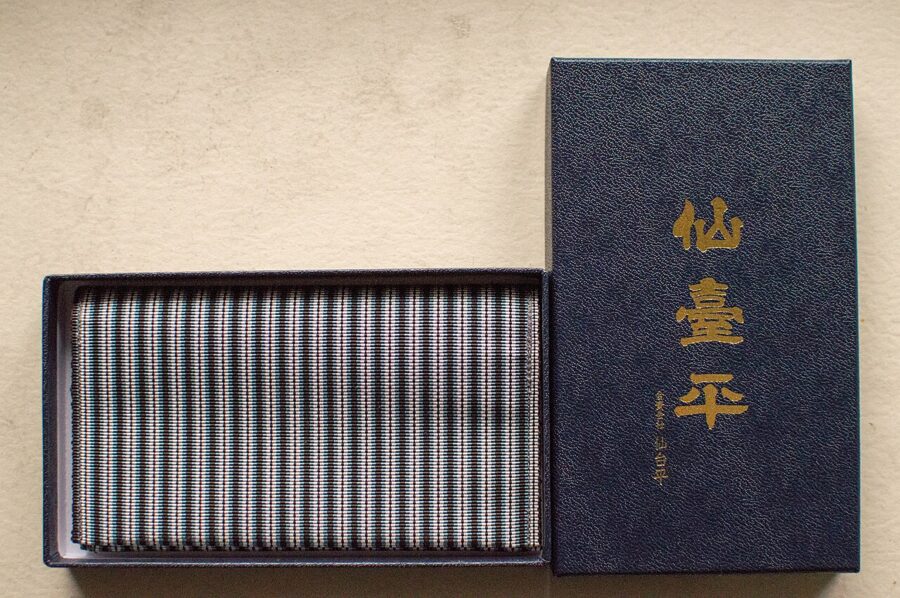
The exchange runs by rank. The visitor offers first, and the junior person in any pair offers first, holding the card slightly lower than the other person’s. When two teams meet, the most senior people exchange cards with each other before anyone else moves. Keep the cards in front of you for the whole meeting; the title line is your crib sheet for who to address.
Seating, introductions and who speaks first
Every room has a kamiza (上座), the seat of honour, and a shimoza (下座), the lowest seat. In a meeting room the kamiza is the seat furthest from the door and the shimoza the one nearest it, so the junior can fetch, answer and open. Guests get the kamiza side, and on each side people sit in rank order from the top seat down.
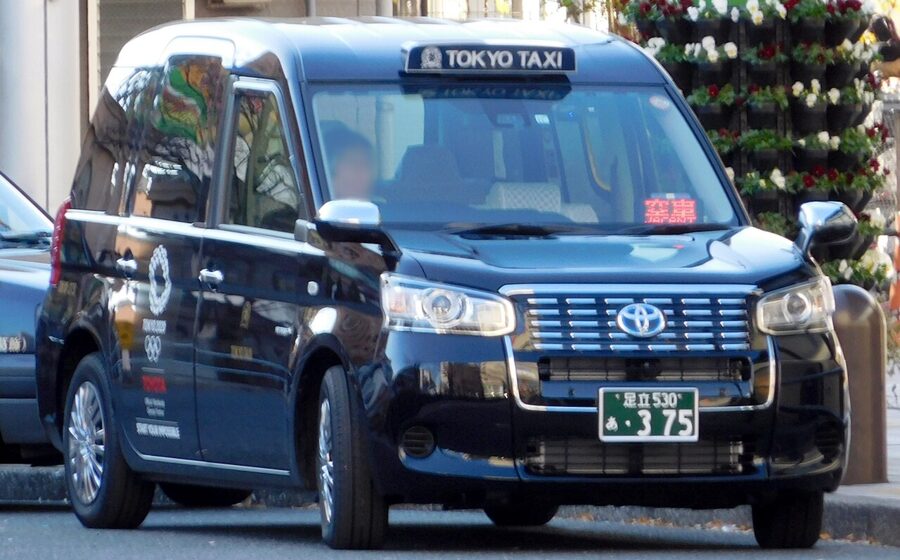
The same order runs through the rest of the day. In a taxi the seat behind the driver is the top one. At a dinner the most senior person sits furthest from the entrance, and the junior takes the seat by the door, nearest the staff and the drinks orders.
Introductions go from your side to theirs. When you bring your boss to a client, you introduce your own people first, top rank first, using their titles in the humble form (“this is Tanaka, our bucho“), then the client introduces theirs. The most senior person on each side makes the opening greeting and usually the closing one. If you are junior, your first words in the meeting are often your name during the card exchange, and that is as it should be.
Who speaks during the meeting depends more on the company than on any rule. In some firms the bucho says three sentences at the start and lets the kacho run everything; in others the senior person stays silent until the decision. Watch who answers when a question is aimed at the room, and you will know who really owns the topic.
Large firms, small firms, foreign firms and the civil service
Large Japanese companies
The full ladder, every deputy rung included, belongs to big companies, where several thousand people need sorting. There, titles are also pay grades, and a kacho may be a grade you reach rather than a section you run. That is why you meet kacho with no team and bucho whose department is just themselves.
Smaller companies
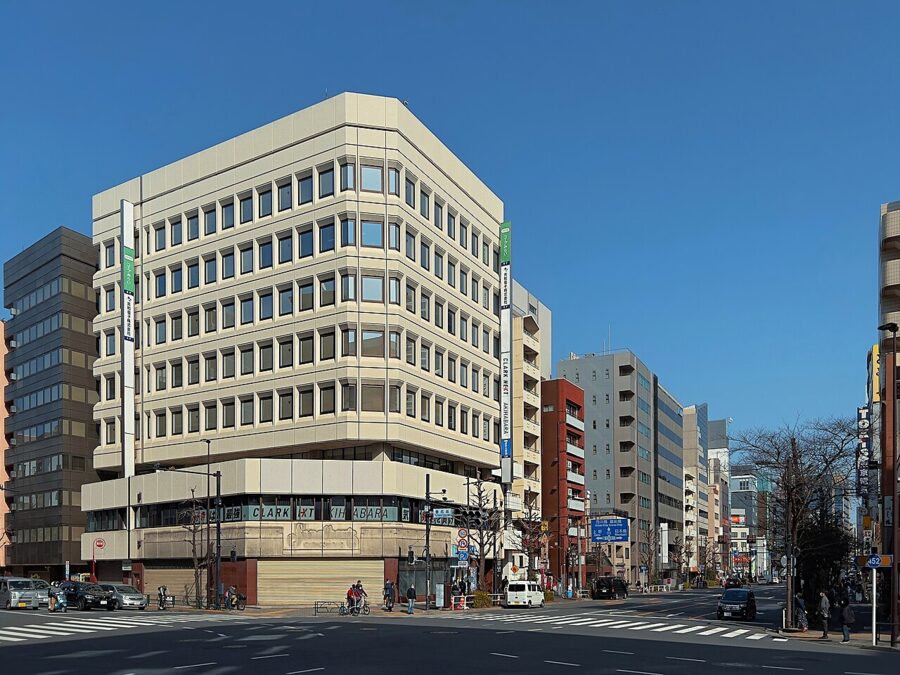
In a company of thirty people the ladder collapses. There may be a shacho, one or two bucho and everyone else, and the president’s family may hold several of the board seats. Titles are sometimes inflated for outside use, because a client’s bucho expects to deal with a bucho. Don’t read too much into a grand title on a small company’s card.
Foreign-affiliated companies

Gaishikei (外資系), the foreign-affiliated firms, run on global job grades: analyst, associate, manager, director, vice president. Those words do not map neatly onto the Japanese ladder, and in banking a vice president can be fairly junior. Some print a Japanese title such as 部長 or 課長 on the reverse, picked to make sense to Japanese clients rather than to match the internal grade.
The legal structure still applies underneath. A Japanese subsidiary set up as a kabushiki kaisha has directors and, if it has a board, a representative director, often the country manager. One set up as a godo kaisha, the Japanese limited liability company, has no directors at all: it is run by member partners, and where the member is a corporation, it appoints a person to act in that role under Article 598. If you join a foreign firm, ask which title to use with Japanese clients before your first meeting, not after.
The civil service
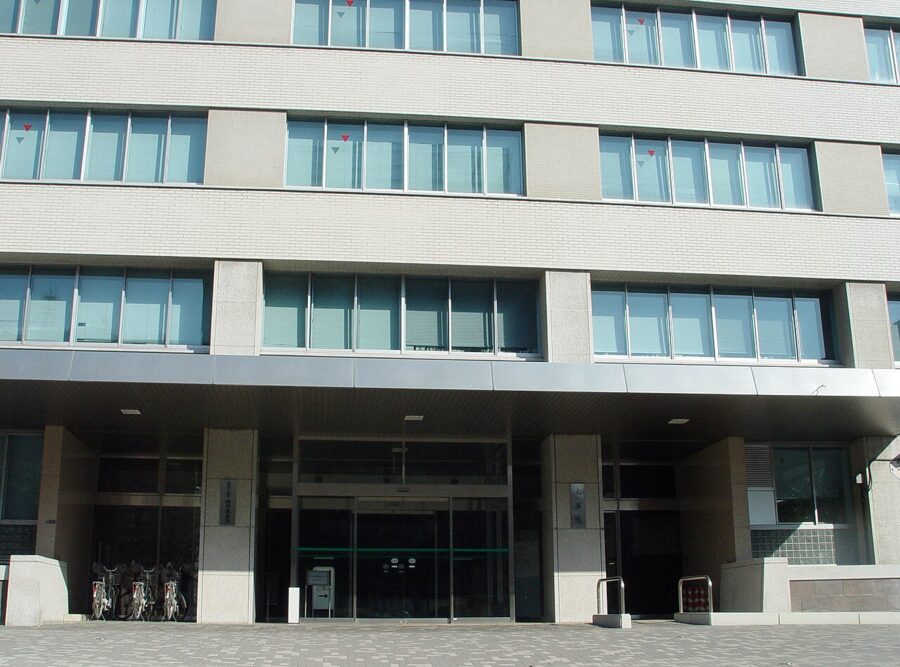
Government uses many of the same words on a different scale. In a national ministry the ladder runs from jimu jikan (事務次官, administrative vice-minister) through kyokucho (局長, director-general) to kacho, kacho hosa and kakaricho. Ministries translate kacho as “director”, and a ministry kacho is a far more senior figure than a company one, running policy for a whole sector.
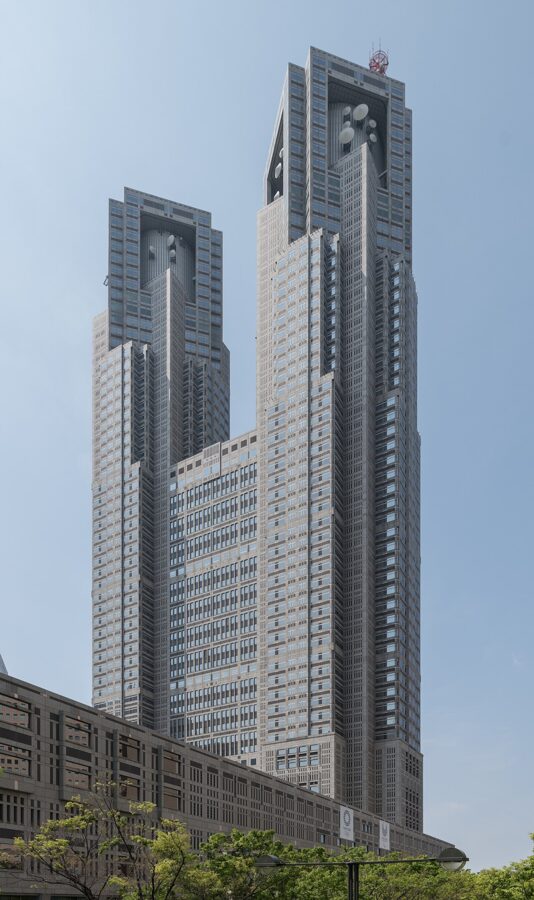
The Tokyo Metropolitan Government has its own grade names. Its personnel commission divides staff into eight grades, with riji (理事), sanji (参事) and fuku-sanji (副参事) as the management grades and tokatsu kacho dairi, kacho dairi and shunin below them, as of its April 2025 staff survey. Promotion between grades is by exam or selection, not years alone, which is a real difference from the private-sector drift upwards.
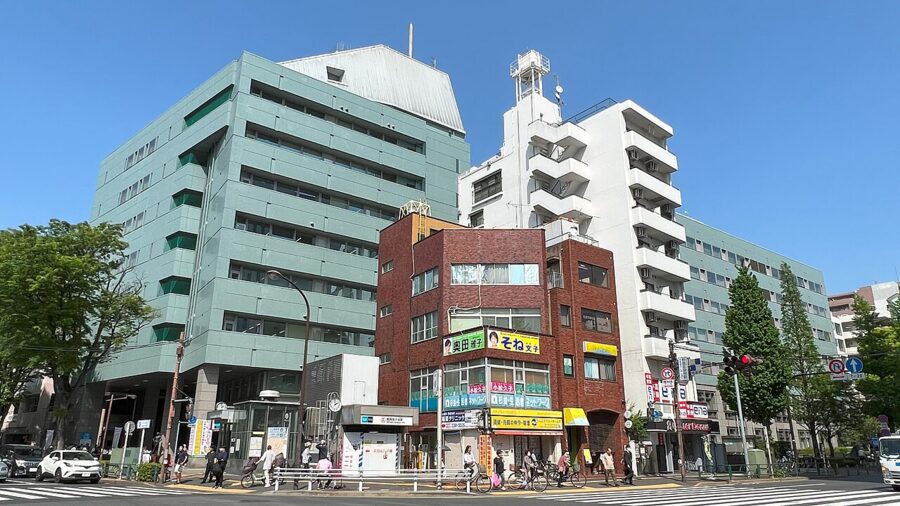
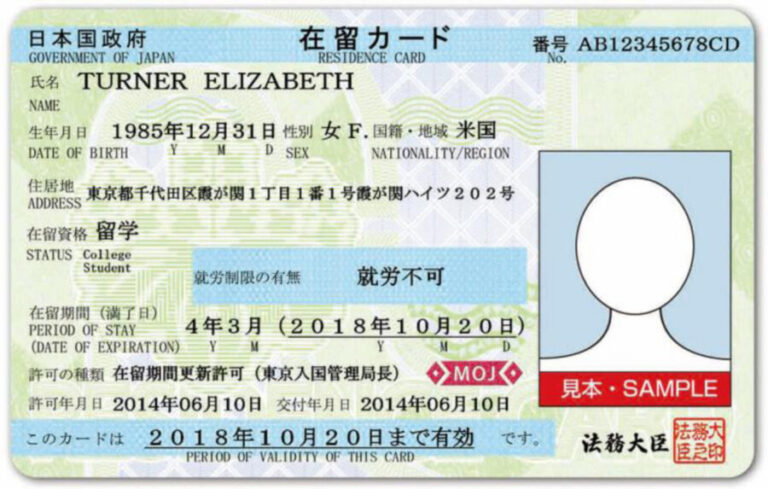
The 23 wards run the same sort of ladder: kucho (区長, the elected mayor), then bucho, kacho, kakaricho, shunin and shuji (主事), the rank-and-file officer. At the ward office in Suginami, as at any other, the staff you deal with over residence cards and pensions are mostly shuji and shunin, and their kacho is the person to ask for when something has gone wrong. The management exam for ward staff is set jointly for the wards by their personnel commission, and it involves a written test.
What to call your own manager and a client’s
The rule that trips up newcomers is uchi and soto, inside and outside. Inside your company, your boss is Tanaka-bucho. The moment you talk about him to someone from another company, he becomes part of your side, and you drop both the title as an honorific and the -san.
So on the phone to a client you say 田中は席を外しております, “Tanaka is away from his desk”, with no title at all. If the title matters, it goes in front as plain information: 部長の田中が伺います, “Tanaka, our bucho, will visit you.” The same Cultural Affairs survey asked how a receptionist should refer to her own kacho when speaking to a visitor: 37.4% chose plain “Suzuki”, 35.8% “Suzuki, our kacho“, and 22.3% “Suzuki-kacho“, the form manners books treat as a mistake.
For the client’s people, use the full honorific treatment. Here are the forms I would use in the first year:
- Speaking to your own boss: Bucho, or Tanaka-bucho. Never Tanaka-san unless the company runs on -san.
- Speaking about your boss inside the company: Tanaka-bucho wa… (Tanaka-bucho is…), with respectful verbs.
- Speaking about your boss to a client: 田中は… (Tanaka wa…), or 部長の田中は… (bucho no Tanaka wa…), with humble verbs.
- Speaking to the client’s manager: Sato-bucho, or Sato-sama in more formal moments.
- Speaking about the client’s manager to your own boss: Sato-bucho, still with the title, because they are soto.
- Writing to the client: 株式会社〇〇 営業部 部長 佐藤様.
If you cannot remember the client’s title in the moment, Sato-sama is always safe, and so is looking down at the card you laid on the table. The reporting habits that go with all this, who you tell first and in what order, are covered in the piece on ho-ren-so, and they follow the same ladder.
None of this needs memorising in one go. Keep the cards from your first meetings, learn the titles of the five people you deal with most, and listen for what your own colleagues call them. Then read the small line above the name before you read the name. It tells you where to sit.