A good tekkadon takes about forty minutes, and thirty-five of them belong to the rice. The tuna needs a sharp knife, ten minutes in a little soy and the sense to buy the right block. Everything else is vinegared rice cooling in a wide bowl while you slice.
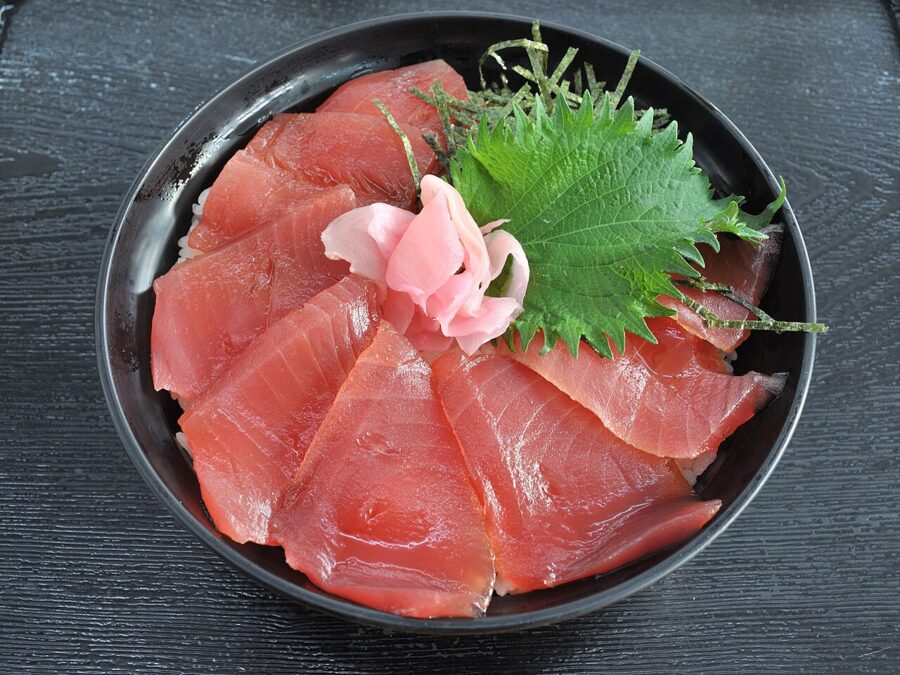
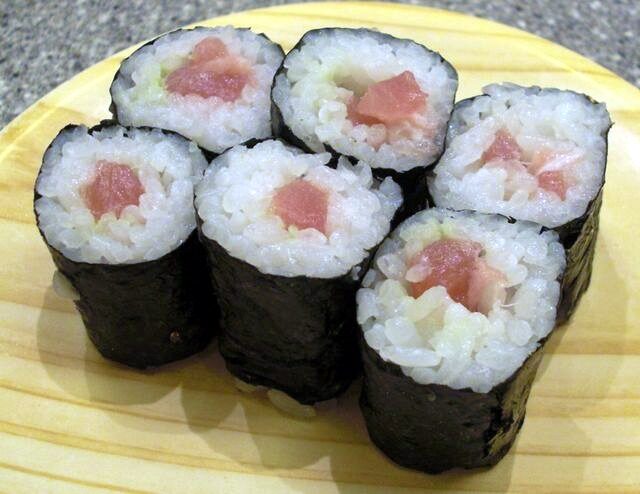
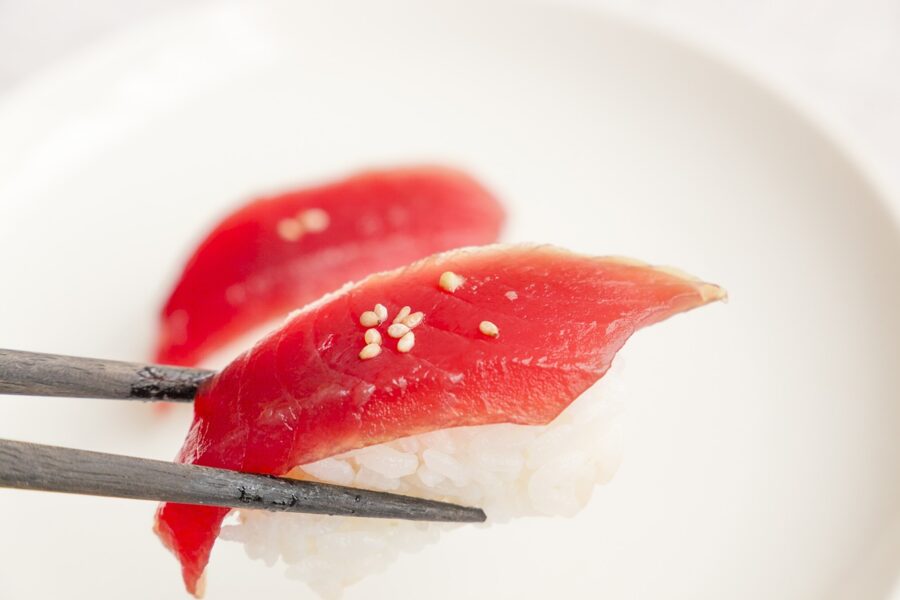
Tekkadon (鉄火丼) is raw tuna, usually the lean red meat, over sushi-meshi (vinegared sushi rice) with nori and wasabi. Japanese dictionaries define it in just those terms. That is what separates it from a maguro-don, which often sits on plain white rice and can carry any cut, although plenty of Tokyo menus use the two names for the same bowl.
It is also one of the best meals you can make from an ordinary Tokyo supermarket, as long as you can read the label on the tuna. The only heat is the rice cooker and thirty seconds of simmering for the marinade.
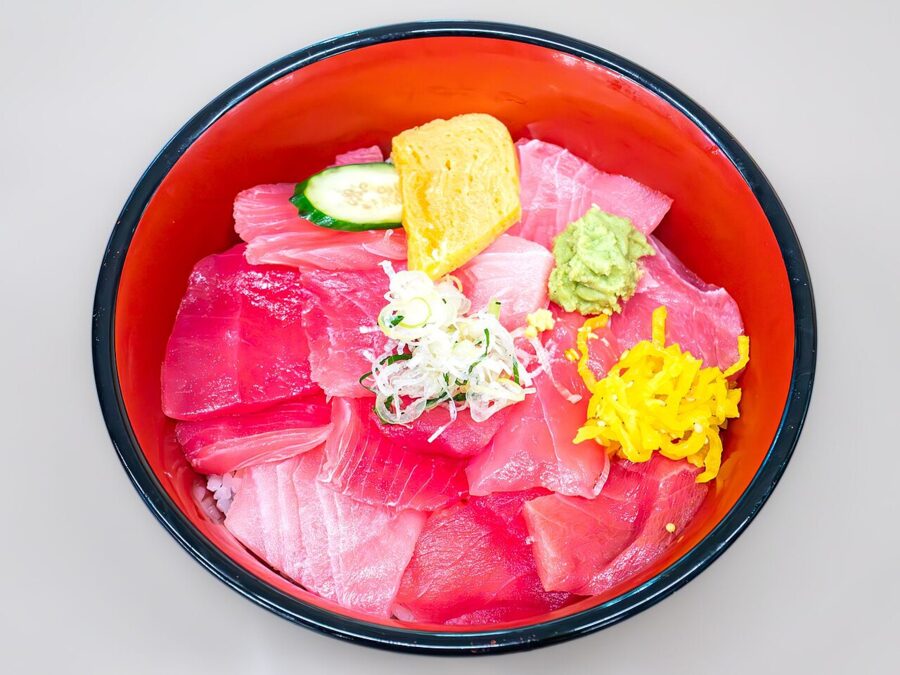
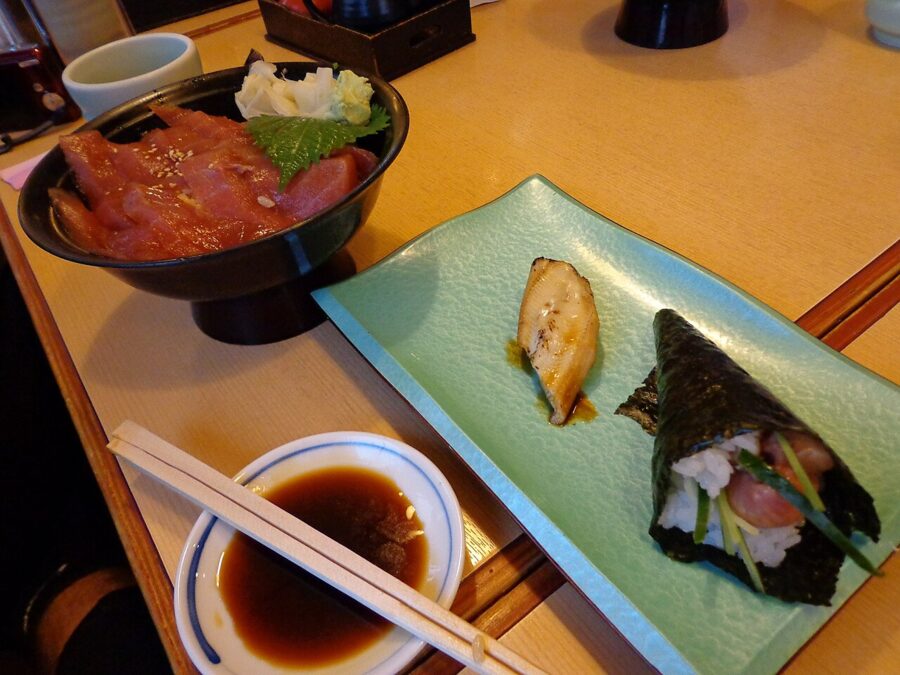
In this article5 parts
Where the name comes from
Tekka (鉄火) means iron heated until it glows red. The large Japanese dictionaries trace the word outward from there: gunfire, a medieval ordeal in which the accused grasped a red-hot bar, a reckless temper, and in Edo slang a gambler. Cooks borrowed it for anything red and fiery, and tekka miso, fried miso with burdock and soybeans, was eaten in Edo long before tuna went on rice.
Two stories explain the bowl. In one, red tuna and the sting of wasabi suggest hot iron. In the other, the roll came first, as a snack for gambling dens (tekkaba) where players wanted nothing sticky on their fingers. The dictionaries confirm tekka as gamblers’ slang but say nothing about a roll invented in a den, so I would treat that one as the better story rather than the record.
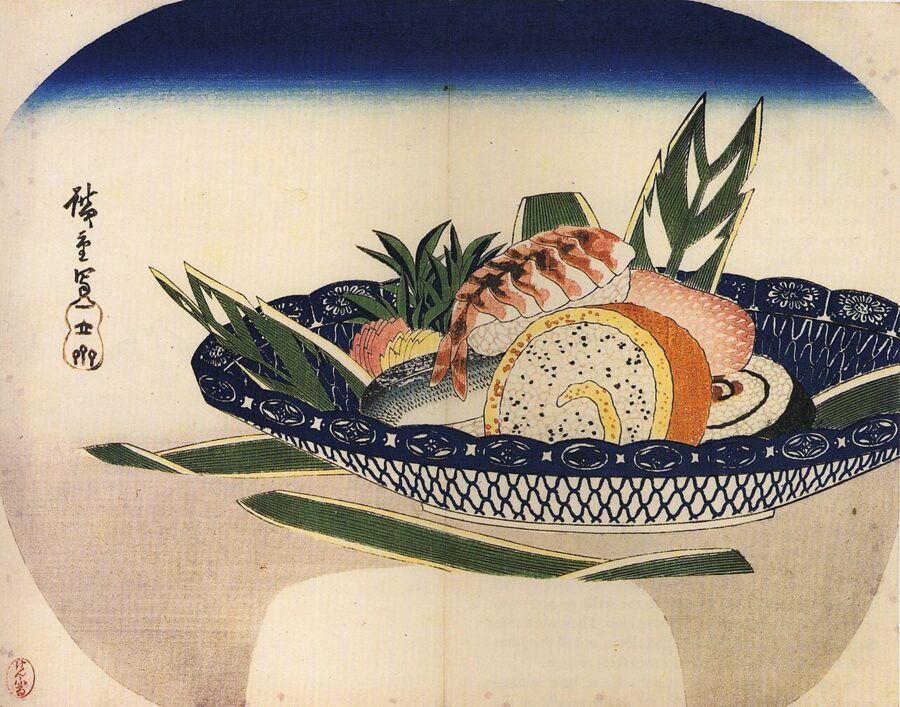
The dates are later than most people guess. The food historian Tada Tetsunosuke writes that sushi shops did not use tuna before the middle of the Tenpo era (1830 to 1844), that the name tekka-maki appears from the Meiji period on, and that diced tuna on rice with toasted nori was called tekkadon from the Taisho era (1912 to 1926) onward. The Nihon Kokugo Daijiten finds tekka-maki in a dictionary of new words from 1925.
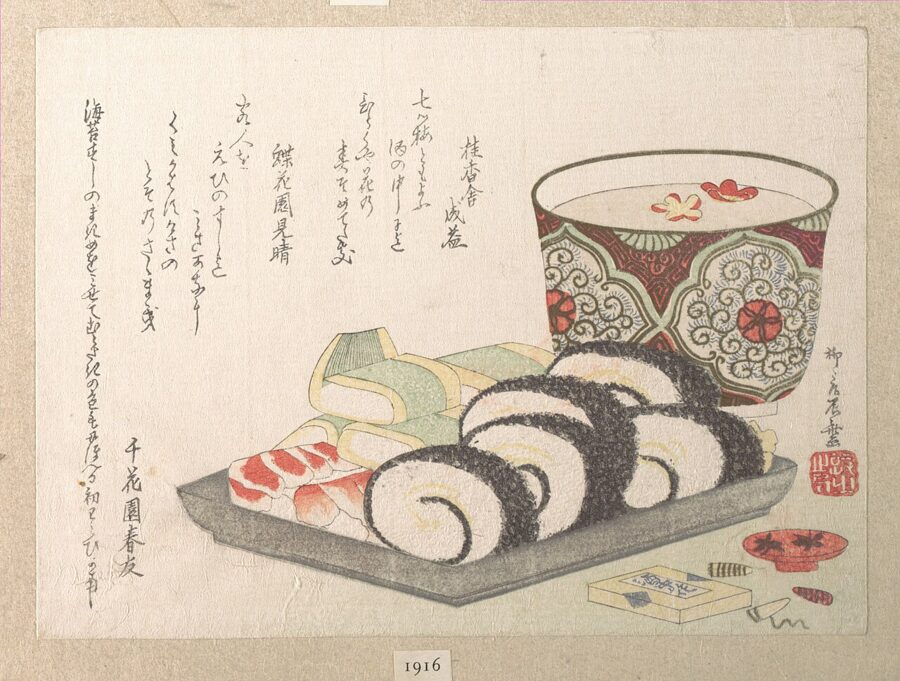
Not everyone welcomed it. The same dictionary quotes the film director Yamamoto Kajiro, who also wrote about food, grumbling in his 1970 book Yoshoku-ko that bowls of raw fish calling themselves tekkadon were turning up everywhere. Half a century on, they are a fixture of fish-market canteens across the country.
Buying tuna in Tokyo
The tuna shelf of a Tokyo supermarket is where this recipe succeeds or fails. You want a saku (柵), a neat rectangular block cut for sashimi, rather than a tray of ready-cut slices, which are too thin for a bowl and lose juice from every cut face.
The species on the label
Japanese labels name the fish, and the name tells you most of what you need to know about flavour and price.
| Label | Fish | What to expect |
|---|---|---|
| 本まぐろ / クロマグロ (hon-maguro) | Bluefin | The richest and dearest. Farmed bluefin is marked 養殖. |
| 南まぐろ / インドまぐろ (minami-maguro) | Southern bluefin | Deep red, close to bluefin in flavour, usually sold frozen or thawed. |
| めばち (mebachi) | Bigeye | The everyday lean tuna of Tokyo supermarkets. Firm, mild, the safe default. |
| きはだ (kihada) | Yellowfin | Lighter, pinker and cheaper. Takes a soy marinade well. |
| びんなが (binnaga) | Albacore | Pale and soft. Better seared than in this bowl. |
Akami, chutoro and otoro
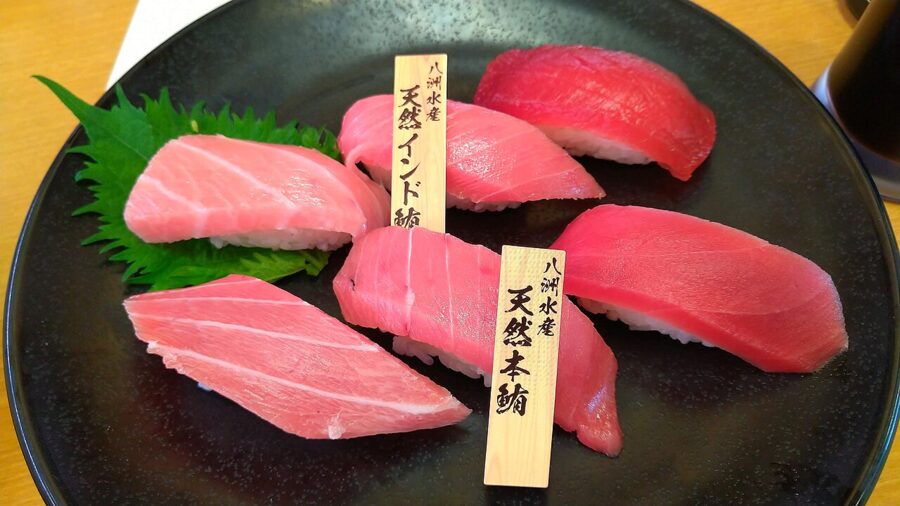
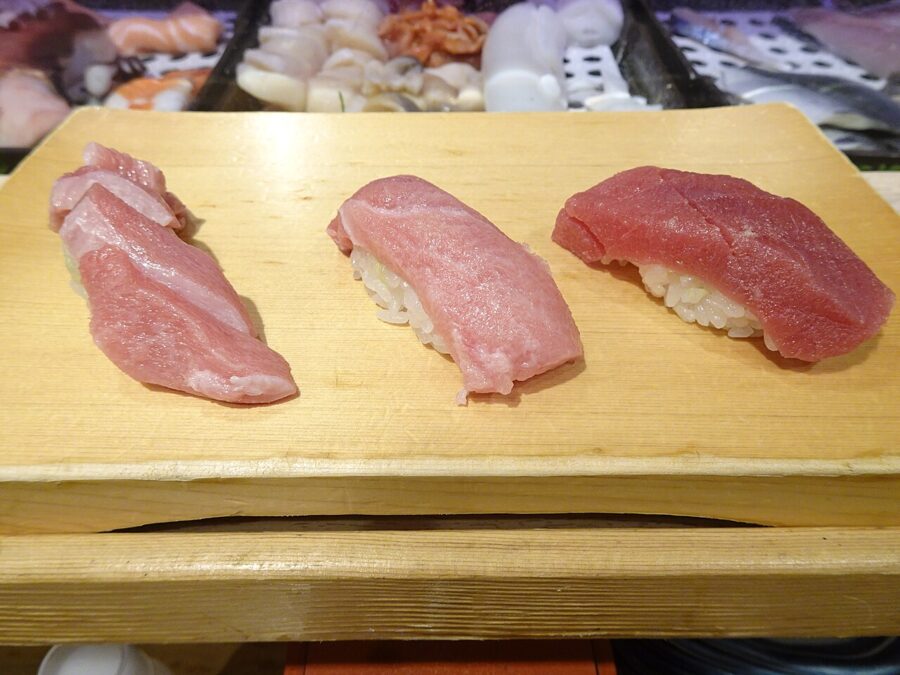
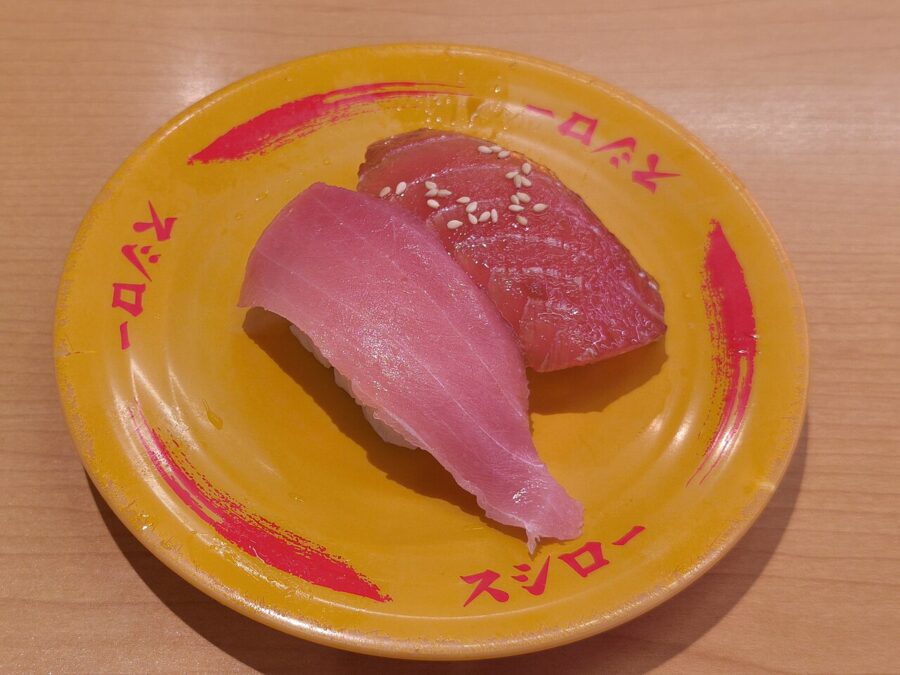
Akami (赤身) is the lean red meat from the back and centre of the fish. Toro is the fatty meat, mostly from the belly: chutoro is the medium grade and otoro the fattiest, so toro is the family and otoro the top of it. A tekkadon is traditionally akami, and I think that is right for more than price: fatty tuna turns greasy on warm rice, while akami takes the soy and keeps its shape.
Akami is also very lean. Japan’s standard food composition tables (eighth edition, 2023 supplement) give 100 g of raw wild bluefin akami as 115 kcal, 26.4 g of protein and 1.4 g of fat; the fatty cut comes to 308 kcal and 27.5 g of fat. So yes, an akami tekkadon is a healthy lunch.
Reading the label
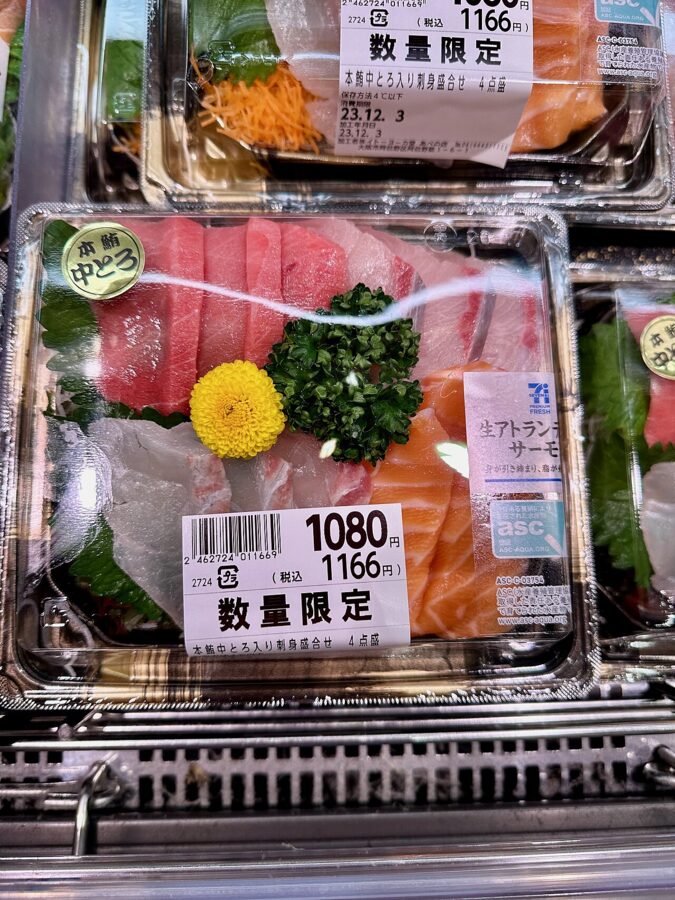
Japan’s food labelling standard requires fresh fish to carry its name and origin: a sea area or landing prefecture for domestic fish, the country for imports. Tuna that was frozen and thawed must say kaito (解凍, thawed), and farmed fish yoshoku (養殖, farmed). For raw eating, look for 刺身用 or 生食用 (for sashimi, for eating raw) and the use-by date, 消費期限.
Thawed is not a defect. Much of the bigeye and southern bluefin in Tokyo shops was frozen on the boat at very low temperatures, and it can be in better shape than unfrozen fish that has spent days in transit. Just do not freeze it again.
Then look at the block. The white lines of sinew should run straight and evenly spaced along the saku; curved or crowded lines come from the tail end and chew like rubber bands. The colour should be clear red with no browning at the edges, with little or no pink liquid in the tray. Evening markdowns are fine for that night, not for tomorrow.
Frozen blocks
A frozen saku can be very good if you thaw it gently. Dissolve a tablespoon of salt in 500 ml of lukewarm water, soak the block for two or three minutes until the surface softens, then rinse, pat dry and wrap it in kitchen paper and cling film. Two or three hours in the fridge brings it to slicing condition. Thawing in the microwave or on the counter is how you end up with a brown block in a pool of red water.
Supermarket or fish market
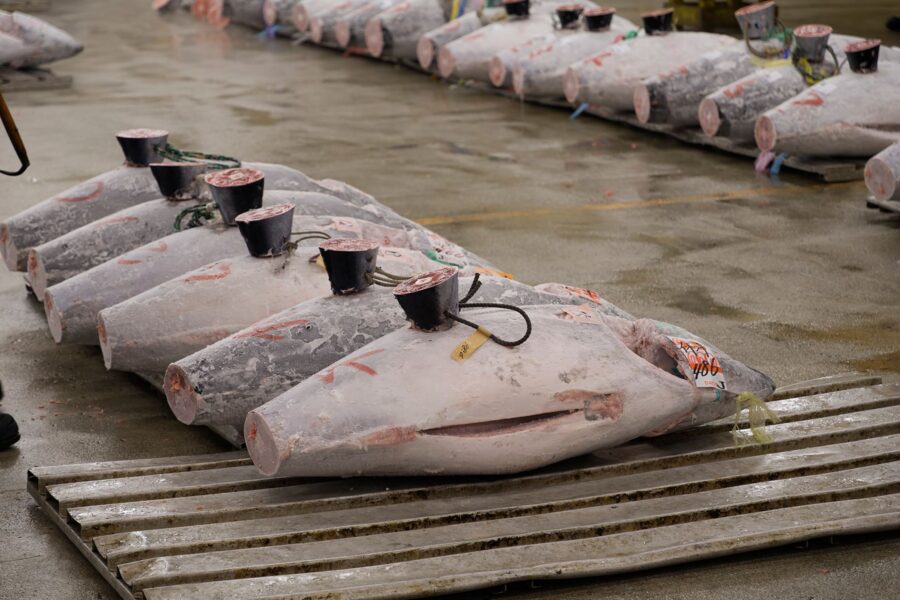
For a weeknight, the supermarket by your station is fine. For a better block, the tuna wholesalers of the Tsukiji Outer Market sell to anyone. As of November 2026, Tsukiji Kiyomura’s tuna shop opens every day from 6:00 to 15:30, Taki Shokuhin sells southern bluefin and bigeye from 5:00 to 13:00, and Maguro no Daiko trades from 6:00 to 14:30; the last two close on Sundays, public holidays and market holidays.
Go after nine, when the restaurant buyers have finished, and take a cool bag if you have a train ride home.
The recipe
This serves three, or two people who skip the side dishes. Sushi rice is easier to season in a larger batch, and leftovers make a good lunch box.
- Rice: 2 go (360 ml, about 300 g) Japanese short-grain rice; water to just below the 2-go line on the rice cooker; a 5 cm square of kombu if you have it.
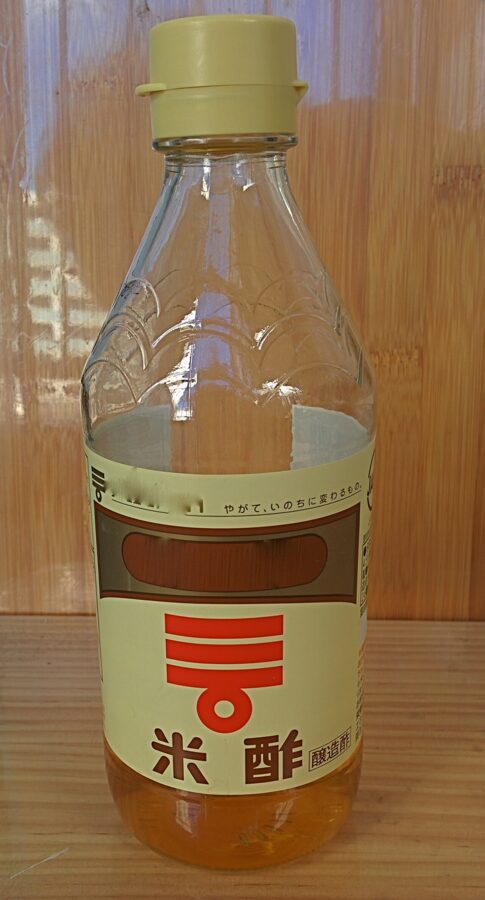
- Sushi vinegar (awasezu): 60 ml (4 tbsp) rice vinegar, 1½ tbsp sugar, 1 tsp salt.
- Tuna: 250 to 300 g akami saku.
- Zuke marinade: 3 tbsp soy sauce, 1 tbsp mirin, 1 tbsp sake.
- To finish: 1 sheet of toasted nori, wasabi, 4 to 6 shiso leaves, white sesame if you like.
Sushi rice
Wash the rice until the water runs nearly clear and let it soak for thirty minutes. Cook it with the kombu and a little less water than usual, because the vinegar softens it further and soggy rice is the commonest way a home tekkadon goes wrong. Meanwhile, stir the vinegar, sugar and salt until the sugar dissolves.
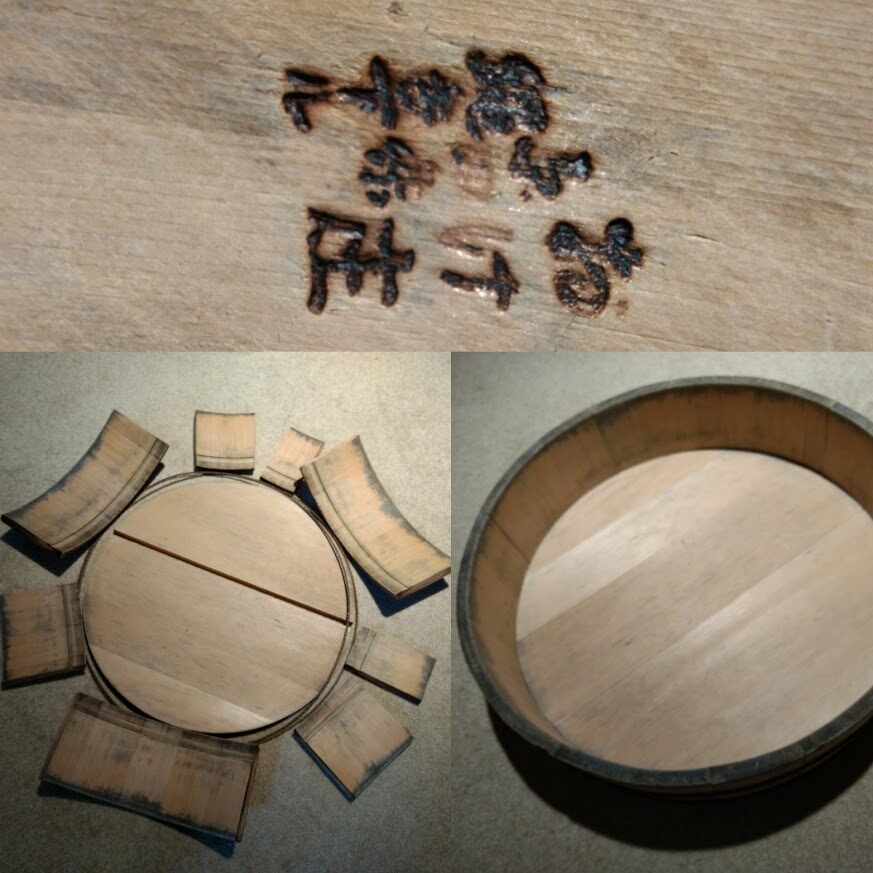
Tip the hot rice into a wide bowl, ideally a wooden hangiri wiped with a damp cloth, and pour the vinegar over a rice paddle so it spreads. Cut and fold through the rice rather than stirring, which mashes the grains, and fan it as you go. It should end up glossy and about body temperature; cover it with a damp cloth until you need it.
The zuke marinade
Zuke (漬け) means steeped, and it is an Edo sushi technique from before refrigeration: lean tuna kept in soy lasted longer and tasted better for it. Sushi chefs cook the alcohol out first, a mixture called nikiri. Boil the sake and mirin for thirty seconds, add the soy, take it off the heat and let it cool completely, because a warm marinade starts cooking the fish.
There are two ways to use it. The quick one: slice the tuna and leave the slices in the marinade for five to ten minutes, no longer, or they turn dark and salty. The chef’s one: pour boiling water over the whole block until the surface just whitens, plunge it into iced water, pat it dry and marinate the block for twenty to thirty minutes, turning once. The outside firms and takes the soy while the inside stays raw.
To skip the marinade, do it the dictionary way: grated wasabi stirred into soy and tossed through the tuna just before it goes on the rice. Either way, eat it the day you make it. By the next day the soy has drawn out the water and the slices are firm, salty and nearly black.
Slicing and assembling
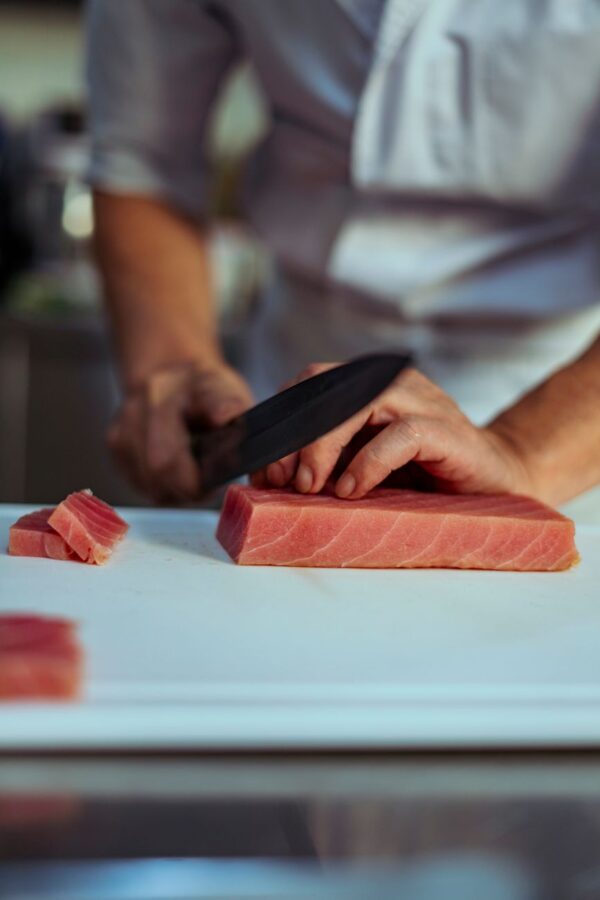
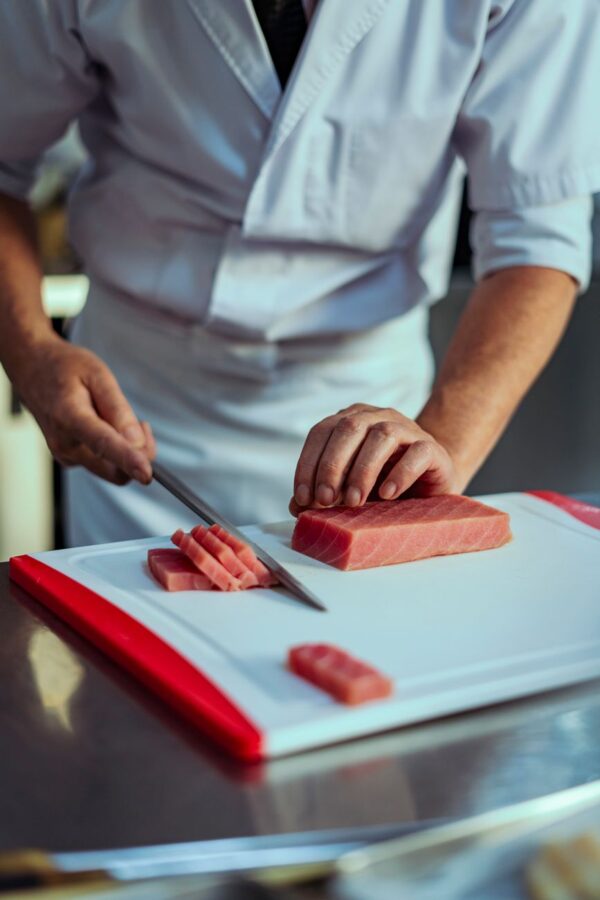
Cut across the lines of sinew, not along them, in slices about 7 mm thick. Use your longest knife and draw it through in one pull from heel to tip; sawing tears the surface.
Fill each bowl two-thirds with rice and scatter torn nori over it, which stops the soy soaking straight into the rice. Lay the tuna on in overlapping slices, working in from the rim, then add a little wasabi and the shiso cut into thin ribbons, and spoon some marinade over the fish. Eat it at once, while the rice is warm and the tuna cool.
A raw egg yolk in the middle is common at home, and grated yam turns it into a yamakake tekkadon. Mayonnaise makes it a different dish.
Where to eat it in Tokyo
Tekkadon is market food, and the best places to eat one are still the two market districts: Tsukiji, where the wholesale market used to be, and Toyosu, where it moved.
Tsukiji Outer Market
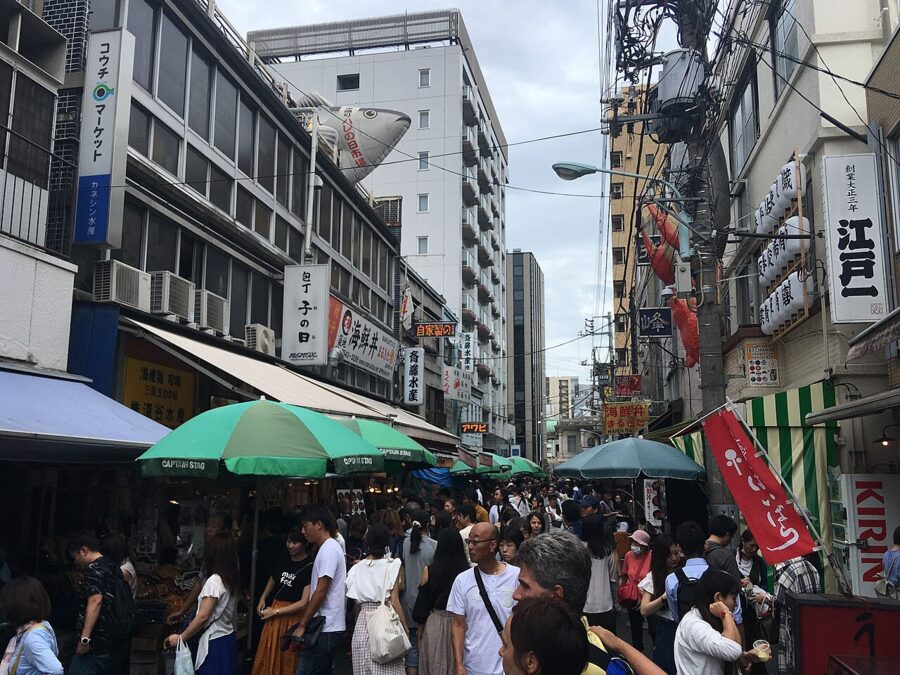
The outer market is a minute’s walk from Tsukiji Station (Hibiya Line), exits 1 and 2, or Tsukijishijo Station (Oedo Line), exit A1. From Tokyo Station, buses from the Marunouchi South exit stop at Tsukiji 3-chome. Shops sell to the public mainly from 9:00 to 14:00, and many close on Sundays, public holidays and market holidays.
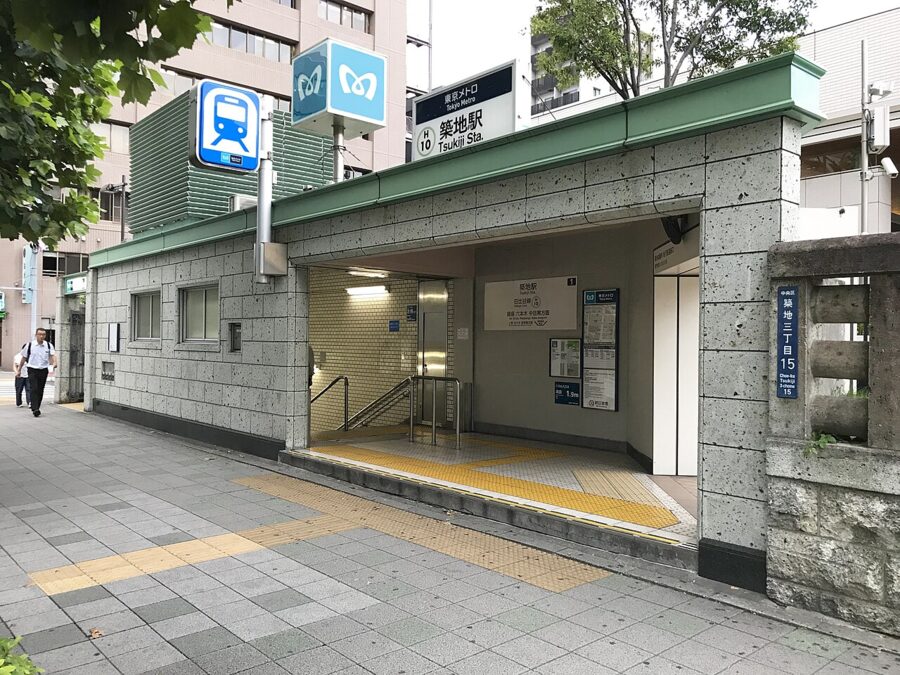
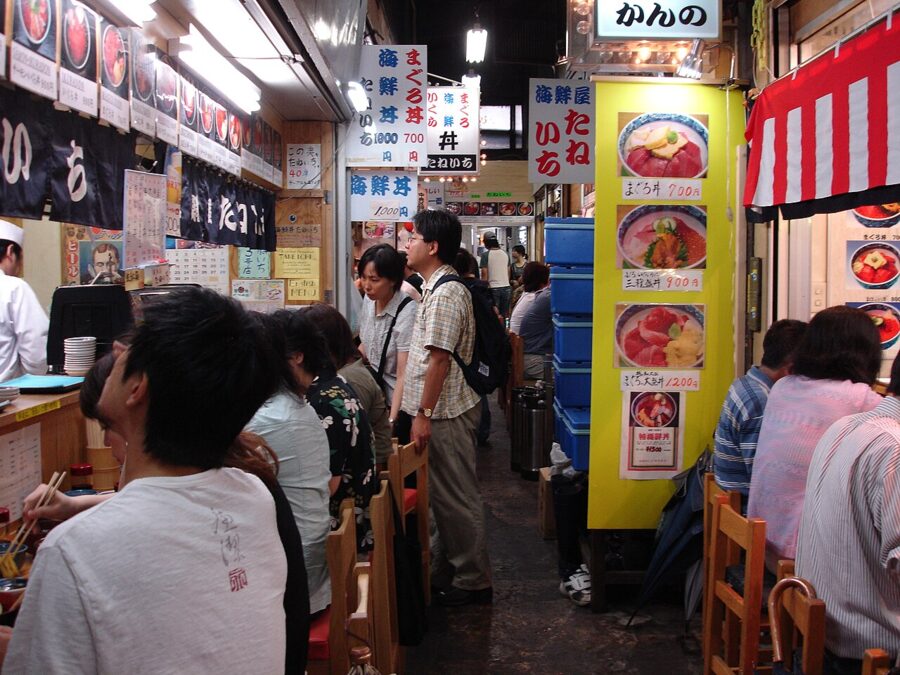
These counters all serve tuna bowls; hours are as of November 2026, and prices are posted outside each one.
| Counter | What to order | Hours |
|---|---|---|
| Maguroya Kurogin (まぐろや黒銀) | Three-colour and three-toro tuna bowls | 8:00 or 8:30 until 12:30 or sold out; irregular closing days posted on its Instagram |
| Tsukiji Kanno (つきじかんの) | Bluefin bowl, three-cut tuna bowl | 4:30 to 21:00, every day |
| Matakoiya (又こい家) | Maguro-don | Weekdays 6:00 to 22:00; Sundays and holidays 6:00 to 15:00 |
| Tsukiji Donburi Ichiba (築地どんぶり市場) | Maguro zuke-don | Long hours; closed Wednesdays |
Toyosu Market and Senkyaku Banrai
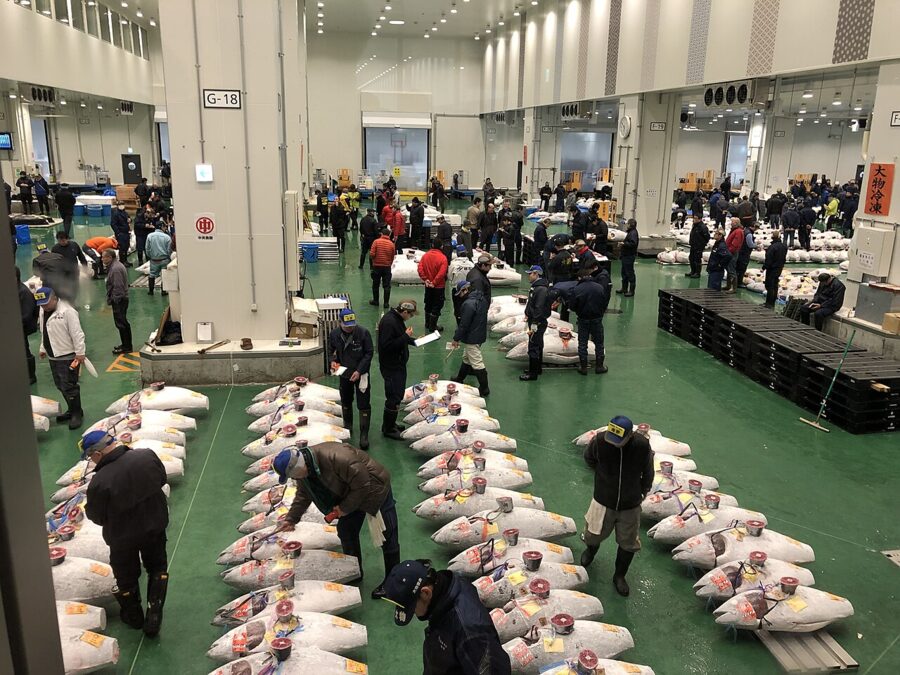
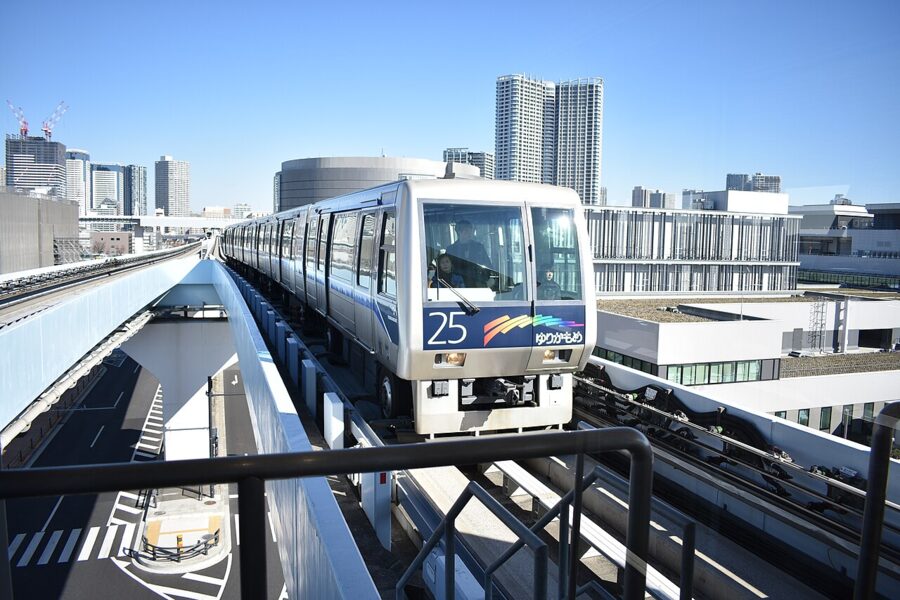
Toyosu Market, the wholesale market since 2018, is three minutes on foot from Shijo-mae Station on the Yurikamome. Its 38 restaurants are spread over the fish wholesale building, the management building and the produce building; most open around dawn and close by early afternoon. The market shuts on Sundays, public holidays and many Wednesdays, so check its calendar first. You can watch the tuna auction from the visitors’ corridor; the closer viewing deck needs an advance reservation.
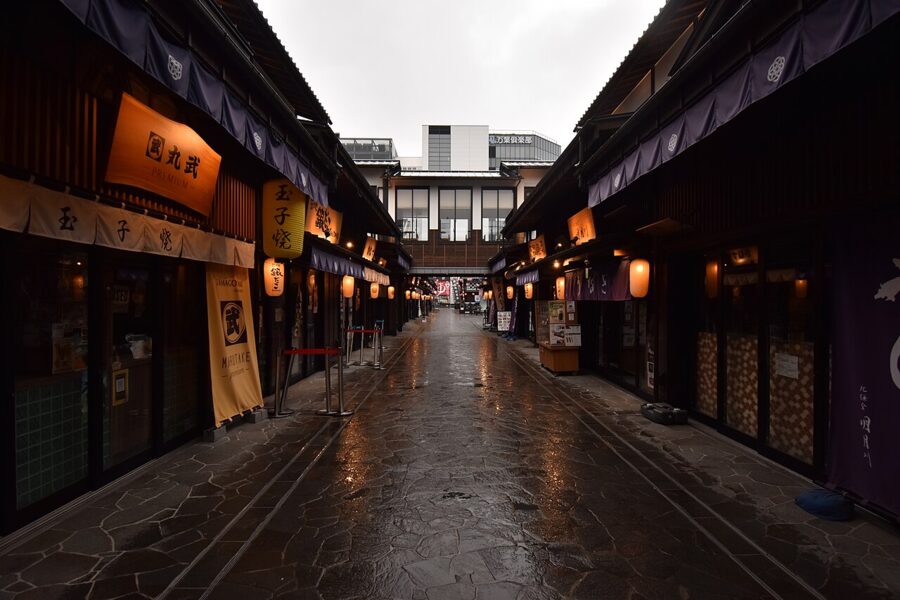
Next door, Toyosu Senkyaku Banrai is an Edo-style food and shopping complex that opens every day of the year, which makes it the fallback when the market is closed. Its food court serves sushi and seafood bowls. It is four minutes from Shijo-mae Station.
Chains
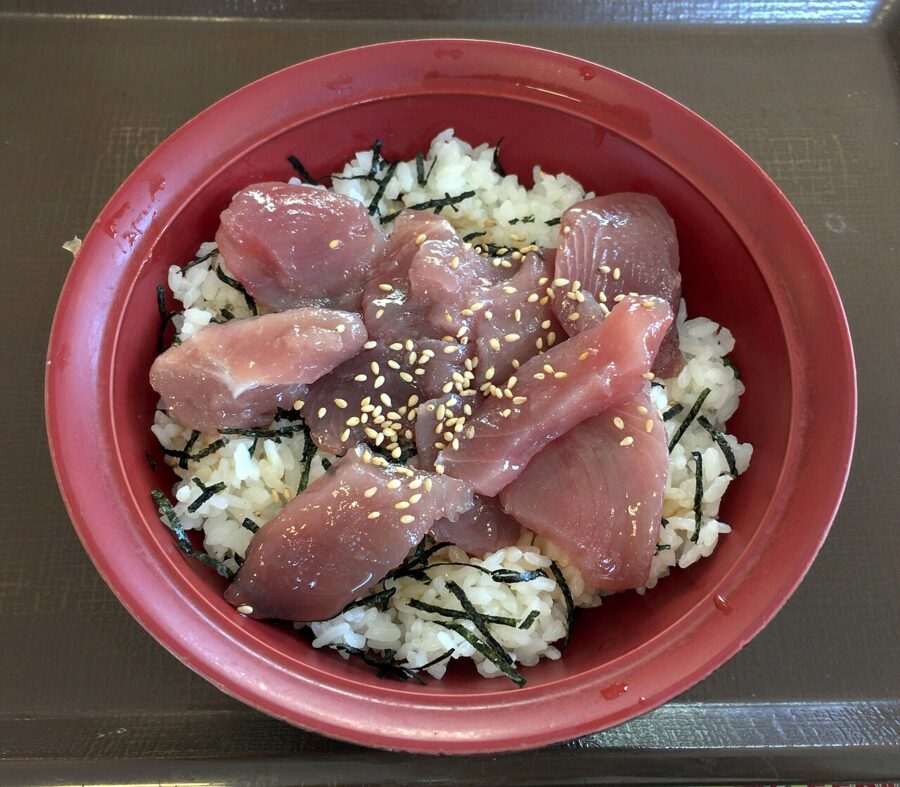
The gyudon chain Sukiya ran a summer tekkadon from 28 July 2026, from ¥880 (about $6) for a regular bowl, with versions topped with grated yam or with natto, okra and egg. It is a seasonal item, so check the menu before you count on one.
Tuna, mercury and pregnancy
The Ministry of Health, Labour and Welfare advises pregnant women to limit some fish because of mercury, and tuna is on the list. Bluefin and bigeye are limited to about 80 g a week, roughly one serving of sashimi, and southern bluefin to about 160 g. Yellowfin, albacore, young bluefin (meji) and canned tuna need no limit, and for children and other adults the ministry sees no concern in ordinary fish eating.
A tekkadon uses about one serving of tuna. If you are pregnant, make it with kihada and the question goes away.
Put the rice on before you go out for the tuna. By the time you are back with a block of akami and a sheet of nori, the slow part of the recipe has finished itself.