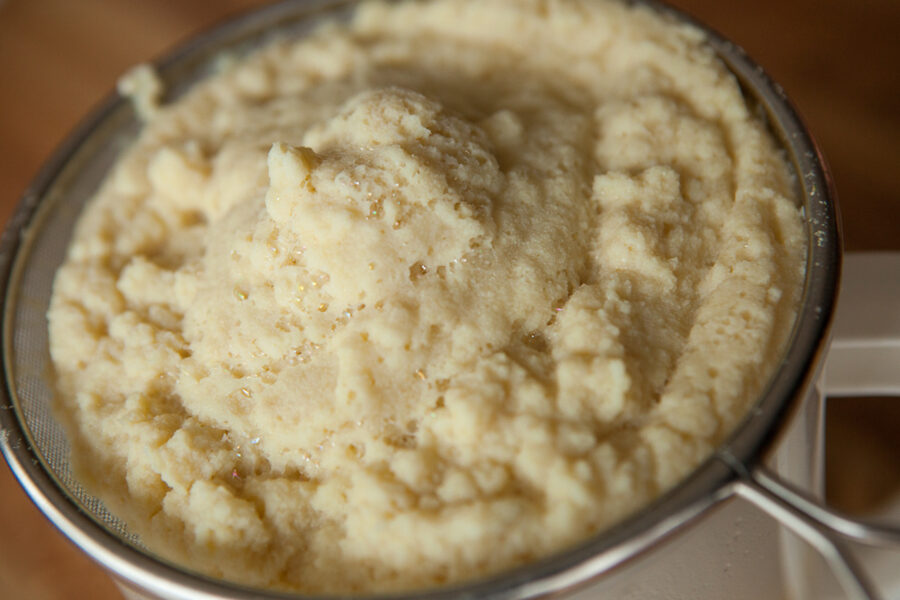
By mid-morning, a tofu maker who started pressing soy milk before dawn has a second product nobody ordered: tubs of damp, crumbly white pulp, still warm. It spoils within a day or two, there is far more of it than any neighbourhood can eat, and in the eyes of Japanese law most of it is industrial waste that someone has to be paid to cart away.
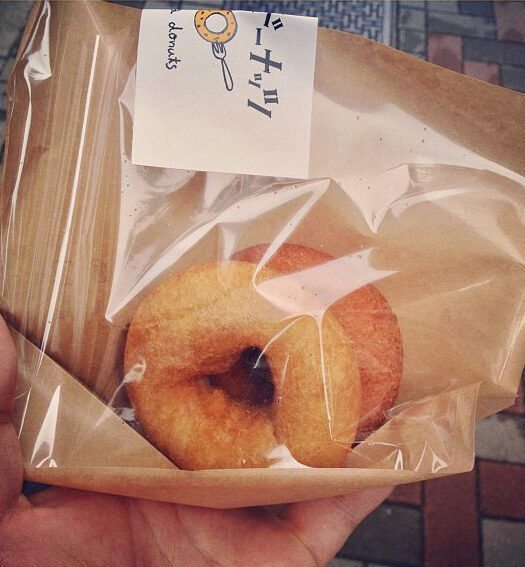
That pulp is okara (おから), and in the 2000s a doughnut shop from Kobe built its whole menu around it. Hara Donuts mixes okara and soy milk into a plain, cakey ring that is far less sweet than the American kind, sells it in a brown paper bag, and shuts the shop when the day’s batch is gone. Hours and branches here are as of November 2026.
The shops are small and the doughnut itself is modest to look at. What makes it worth the walk is what it is made of, and the reason a tofu by-product ended up in a fryer at all. If you live or commute on the west or north side of Tokyo, there is a fair chance one of the four branches is already on your way home.
In this article6 parts
Okara: the part of the soybean that stays in the cloth
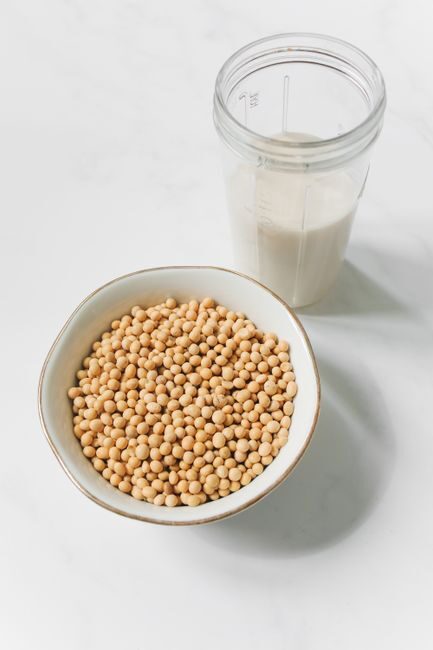
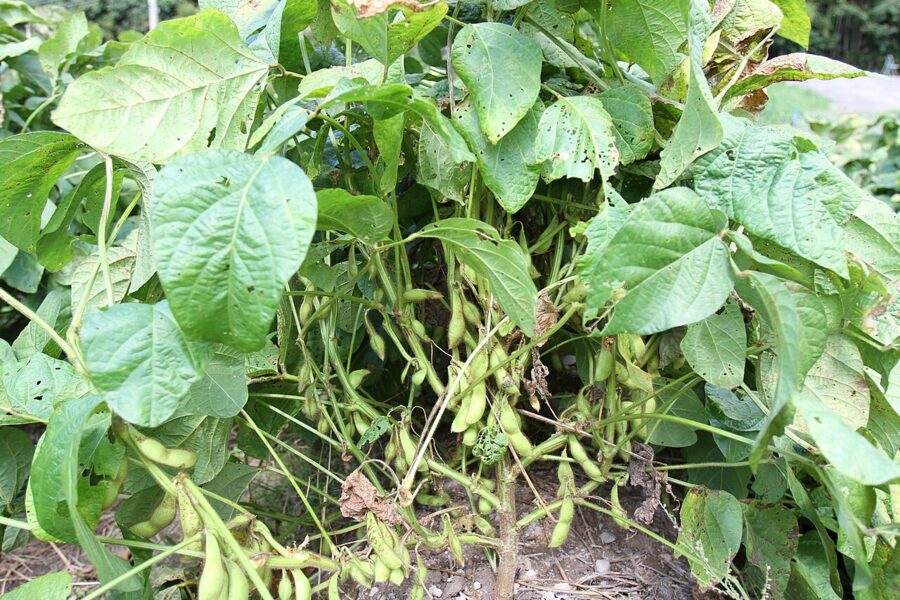
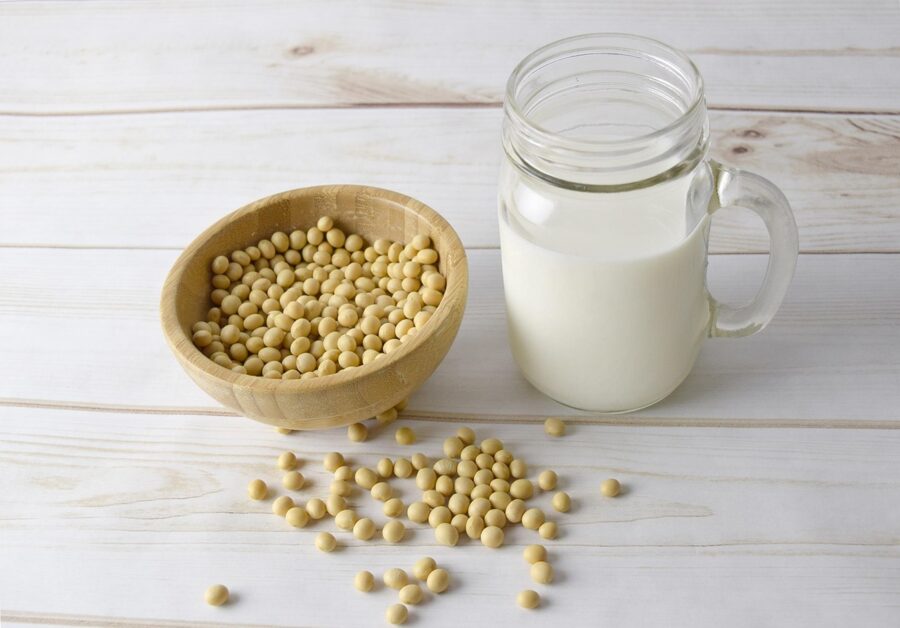
To make soy milk, soybeans are soaked, ground with water, cooked and strained through cloth. The liquid that runs through becomes soy milk, and with a coagulant it becomes tofu. What stays in the cloth is okara: the skins and fibre of the bean, sold fresh at roughly three-quarters water.
That water is the whole problem. Fresh okara sours fast, so it has to be cooked, dried or sold the same day, and a busy tofu works produces it by the tonne. The old answer was animal feed, and most of Japan’s okara is still handled as waste.
The courts have said so. In March 1999 the Supreme Court upheld the conviction of an Osaka collector who took okara from tofu makers for a fee, without a waste licence, to sell on as pig feed. He argued that something people and pigs both eat cannot be rubbish; the court ruled that what he carried away for a fee was industrial waste.
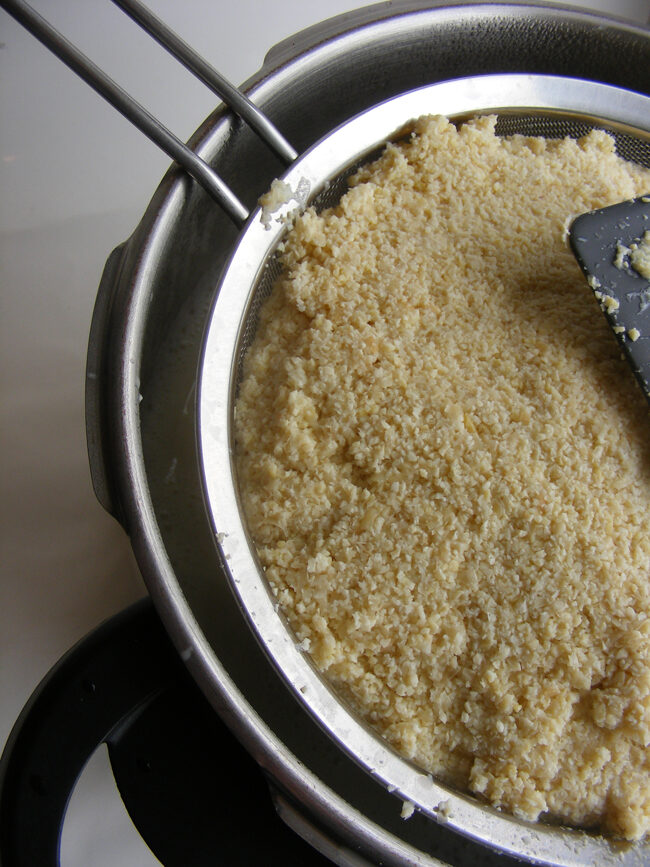
None of this means it is poor food. Japan’s standard food composition tables put fresh okara at around 11 grams of dietary fibre per 100 grams, with some protein and fat still clinging to it. Edo-period cookbooks already give recipes for it, and in July 1940, when wartime rice saving pushed department-store dining rooms in Osaka to stop serving rice, okara went on the menu in its place.
Why okara has so many names
The word itself is plain: kara means husk or dregs, and the polite o in front comes from the language of court ladies. But kara also sounds like “empty”, which is bad luck for a merchant, so the pulp collected kinder names. Because it needs no knife, the Edo period called it kirazu, “uncut”, and wrote it with characters meaning snow-flower greens (雪花菜).
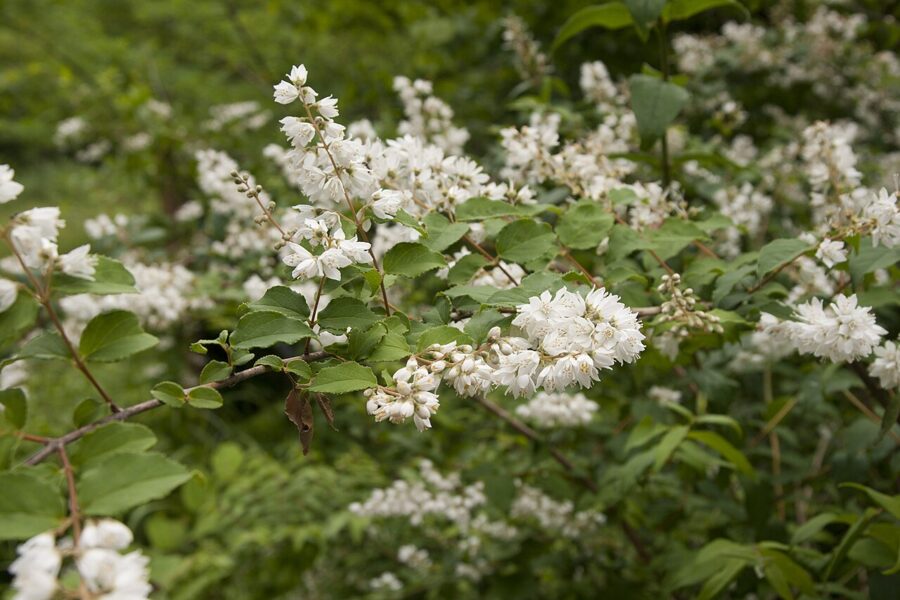
The name you will meet most in Tokyo is unohana (卯の花), after the small white blossoms of the utsugi shrub that flower in early summer. Rakugo storytellers, who dread an empty hall, went further and called it oiri, a “full house”, after the way it is stir-cooked. One rakugo tale even opens with a starving deer in Nara eating the okara a tofu maker has left outside his shop.
From a Kobe tofu shop to a doughnut chain
The “Hara” in the name is a tofu maker. Hara Tofu (原とうふ店) opened in the Minatogawa district of Kobe’s Hyogo ward in 1968 and built its name on Hokkaido soybeans, deep-sea water from Muroto in Kochi and natural nigari (the magnesium-rich brine that sets tofu) from Ako. In its early years, the doughnut chain took both its soy milk and its okara from that one shop.
The idea was a home-made snack with nothing to hide: no preservatives, every doughnut fried in the shop where it is sold, and a taste meant to recall something a mother might make in the kitchen. By 2008 there were three shops, the Kobe flagship and two in the western suburbs of Tokyo, at Kichijoji and Asagaya. The okara and soy milk for the Tokyo pair travelled from Kobe every day.
The chain also promised to stay small: direct-run shops only, no franchising, so that nobody else would cut corners on the ingredients. Growth came anyway. Over the next decade Hara Donuts opened in station malls and suburban centres from Fukuoka and Hiroshima to Nagoya, Hamamatsu and the Kanto commuter belt, and added a roll cake, Hara Roll, and cafes under the name Hara no Kitchen.
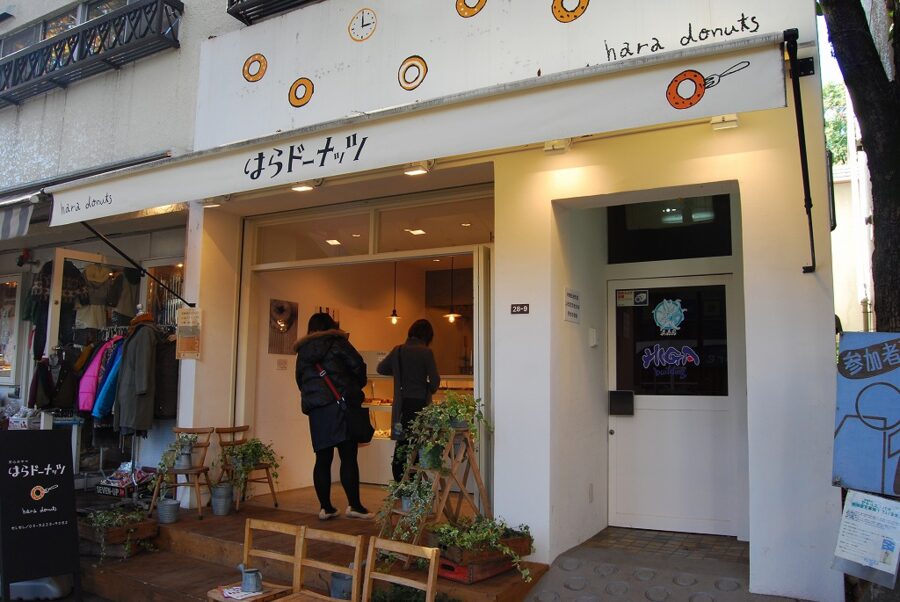
Much of that has since closed, including the branch in Asagaya, in Suginami, and the one in Jiyugaoka. The brand now belongs to Fujio Food Group, the Osaka restaurant company behind the Maido Ookini Shokudo canteens, and the company now recruits franchisees for it, a quiet reversal of the 2008 promise. As of November 2026 there are 11 shops in five prefectures: four in Tokyo, four in Osaka, and one each in Kobe, Hiroshima and Kumamoto. The newest opened in July 2026, two floors below ground in Osaka City Hall.
What is in the paper bag
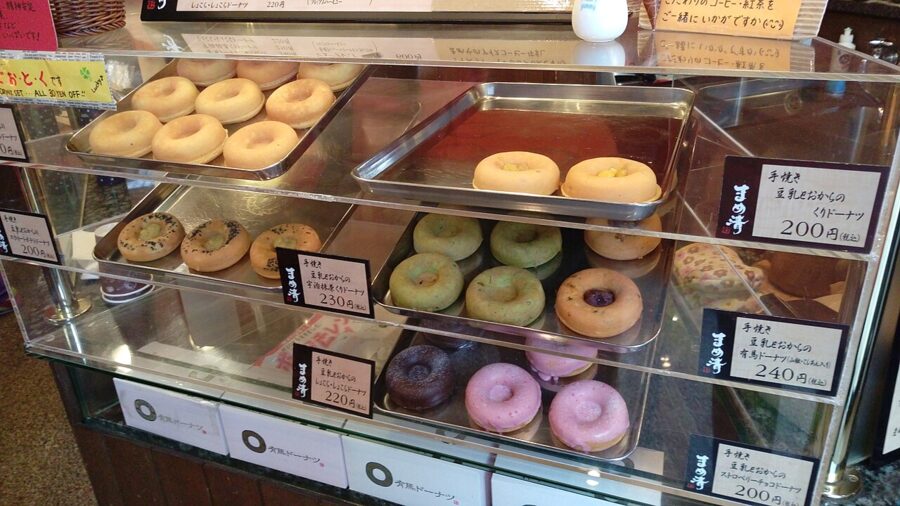
A Hara Donut eats like a cake doughnut, not a yeasted one. The okara makes the crumb denser and moister than flour alone would, slightly chewy, and the outside fries to a thin, crisp shell with a faint taste of soy. It is not very sweet, which is why people buy them by the half-dozen.
The fixed menu, as of November 2026, is short:
- Hara Donut, the plain ring and the one to judge the shop by.
- Satokibi, rolled in cane sugar.
- Tamba kuromame kinako, dusted with kinako (roasted soybean flour) made from Tamba black soybeans.
- Cinnamon, made with specially grown cinnamon.
- White chocolate, the sweetest of the five.
Each shop adds its own daily and seasonal doughnuts, from chocolate glazes to autumn fruit, and the line-up changes too often to list. Prices are on the board at the counter and change with the line-up, so check there rather than trusting an old photo.
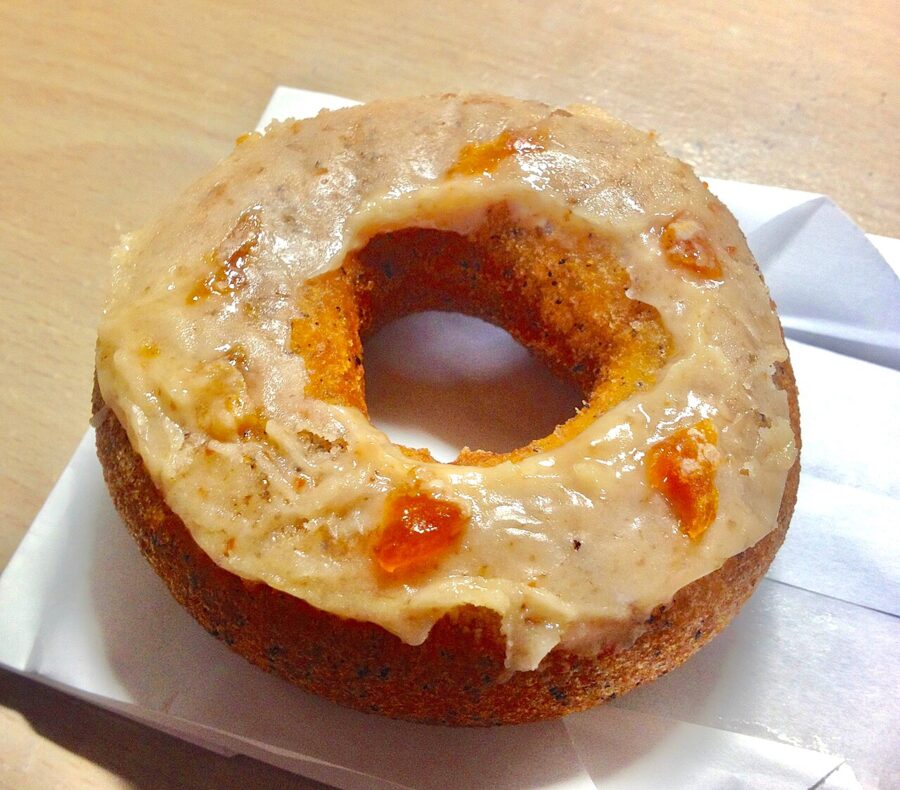
Two practical points. First, “until sold out” is meant literally: a branch with posted hours to 19:00 can be empty by late afternoon on a Saturday, so go early on weekends. Second, half a dozen in a bag makes a decent small present. It meets most of the rules of gift giving in Japan: modest in price, easy to share, and gone before anyone has to find room for it.
The four Tokyo shops
All four close early if the doughnuts run out. Hours below are as of November 2026; closing days in the two station shops follow the building.
| Shop | Address and station | Hours | Closed |
|---|---|---|---|
| Kichijoji | Kichijoji Honcho 4-13-15, Musashino. Kichijoji Station (JR Chuo Line, Keio Inokashira Line), north exit, about 10 minutes on foot | 10:00–19:00, until sold out | No fixed day |
| Meguro | Shimomeguro 5-2-16, Meguro. About 15 minutes on foot from Meguro Station (JR Yamanote Line) or Fudomae Station (Tokyu Meguro Line) | 10:00–19:00, until sold out | No fixed day |
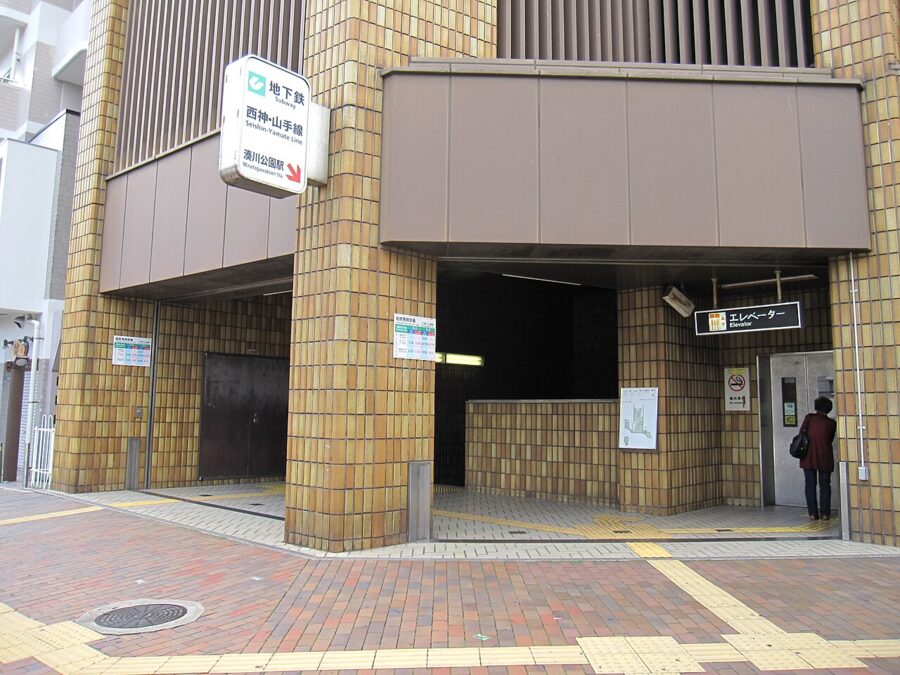
| Frente Meidaimae | Inside Frente Meidaimae, Matsubara 2-46-1, Setagaya. Meidaimae Station (Keio Line, Keio Inokashira Line) | 9:00–21:00 | As the building |
| Beans Akabane | Inside the ticket gates by the north gate, JR Akabane Station, Akabane 1-1-1, Kita | Weekdays 10:00–21:30; weekends and holidays 10:00–20:30; until sold out | As the station mall |
Kichijoji: the original Tokyo shop
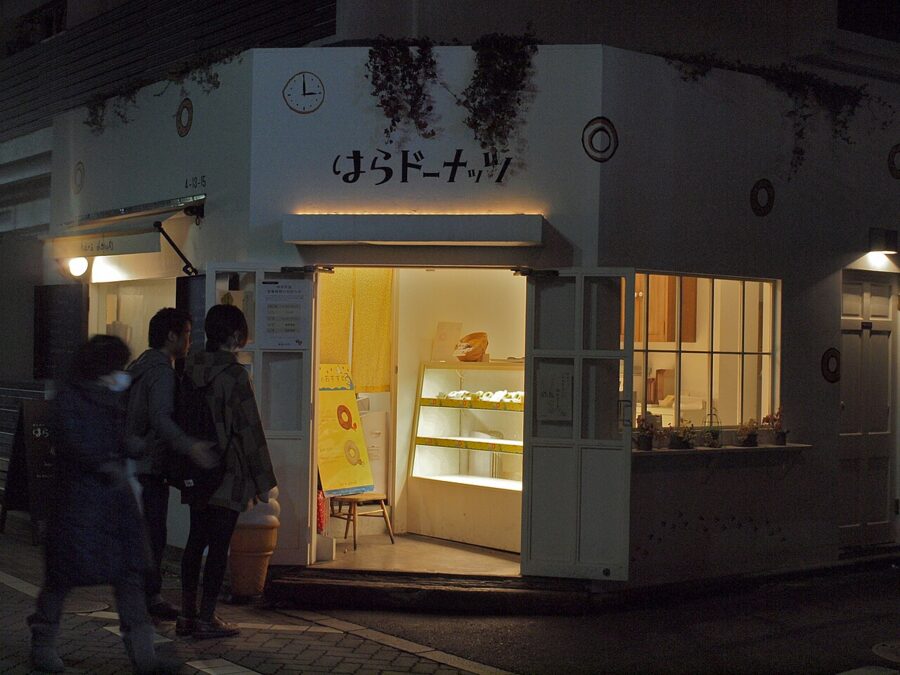
The Kichijoji branch has been here since 2008 and is the one I would pick for a first try. Leave Kichijoji Station by the north exit, about 15 minutes from Shinjuku on the JR Chuo Line, and walk northwest past the end of the busy part of Nakamichi-dori. The shop sits on a corner facing Kichijoji Nishi Park, a small neighbourhood park with benches, which is a fine place for the first doughnut.
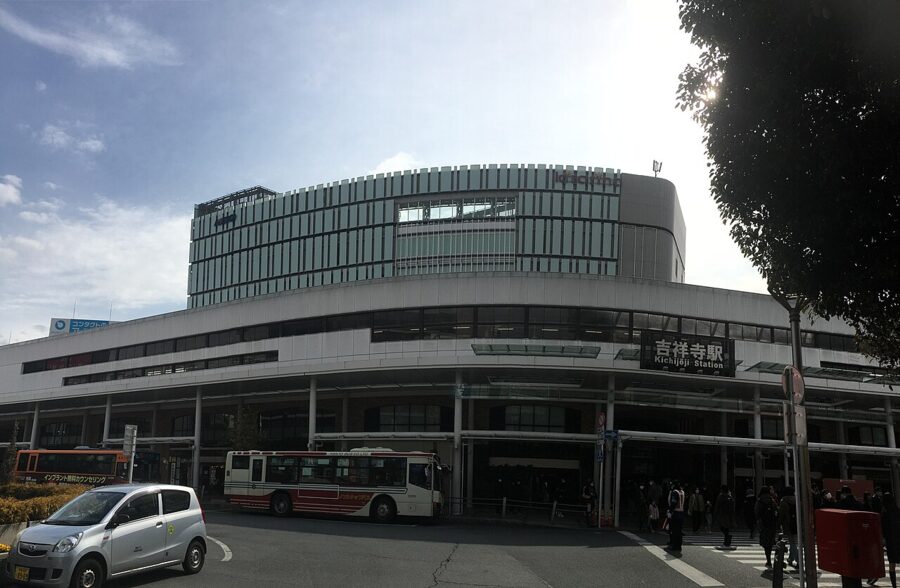
Weekday mornings are the calm time; at weekends, go before lunch if you want the full choice. Combine it with a walk down to Inokashira Park, on the other side of the station, and you have most of a Saturday.
Meguro: a neighbourhood shop off Meguro-dori
The Meguro branch is the least convenient of the four, and the most local. It sits in Shimomeguro, a little over a kilometre west of Meguro Station, in a residential stretch just off Meguro-dori. Few people pass it by accident, so the customers are mostly neighbours, and it is quieter for that.
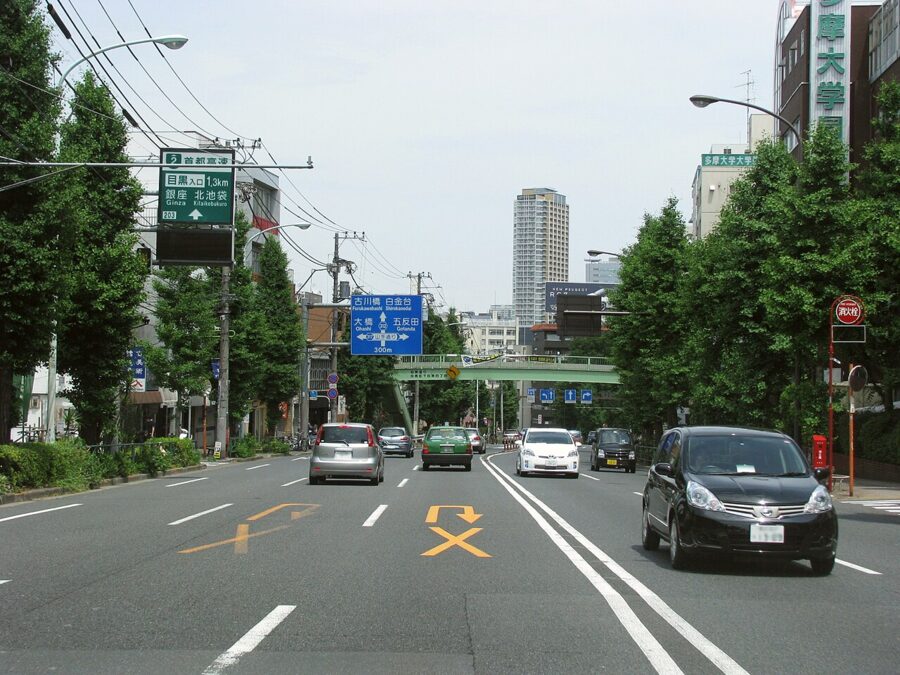
From Meguro Station it is a walk of 15 to 20 minutes out along Meguro-dori; Fudomae Station on the Tokyu Meguro Line is about the same distance from the other side. If you live in Meguro or Shinagawa, this is the branch to know about. If you do not, the other three are easier.
Frente Meidaimae: on the way through
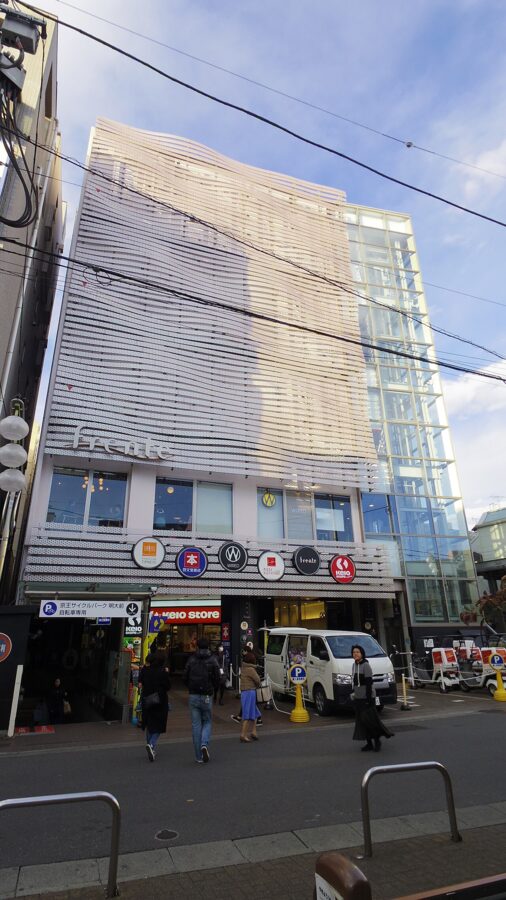
Meidaimae is where the Keio Line and the Keio Inokashira Line cross, under ten minutes from both Shinjuku and Shibuya, and the shop is in Frente Meidaimae, the station building itself. It keeps the longest hours of the Tokyo four, 9:00 to 21:00, which makes it the one for anyone who commutes through on the Keio lines and finishes work late.
Beans Akabane: inside the ticket gates
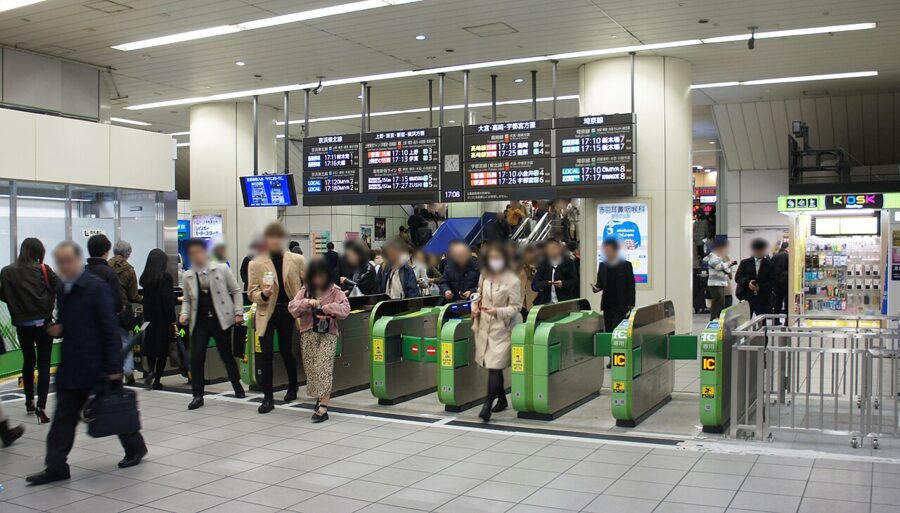
The Akabane shop is inside the ticket gates of JR Akabane Station, near the north gate, in the Beans shops that JR East runs in its stations. Akabane is a junction for the Keihin-Tohoku, Saikyo, Utsunomiya, Takasaki and Shonan-Shinjuku lines, about a quarter of an hour from Shinjuku, so it suits anyone changing trains there rather than a special trip. The counter also sells Hara Roll, the chain’s soy-milk roll cake.
Other ways Tokyo eats okara
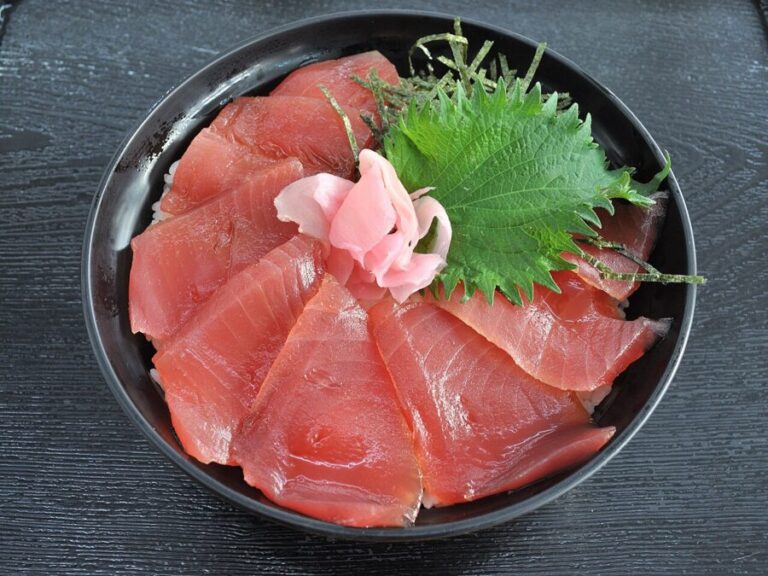
Most okara in Tokyo is eaten without the word doughnut anywhere near it. The commonest dish is iri-unohana, okara stir-cooked with dashi, soy sauce, sugar and a little oil, with carrot, shiitake, aburaage (fried tofu) and spring onion folded through. It turns up as the small dish an izakaya puts in front of you before you order, in the deli corner of every supermarket, and in a lot of home lunchboxes.
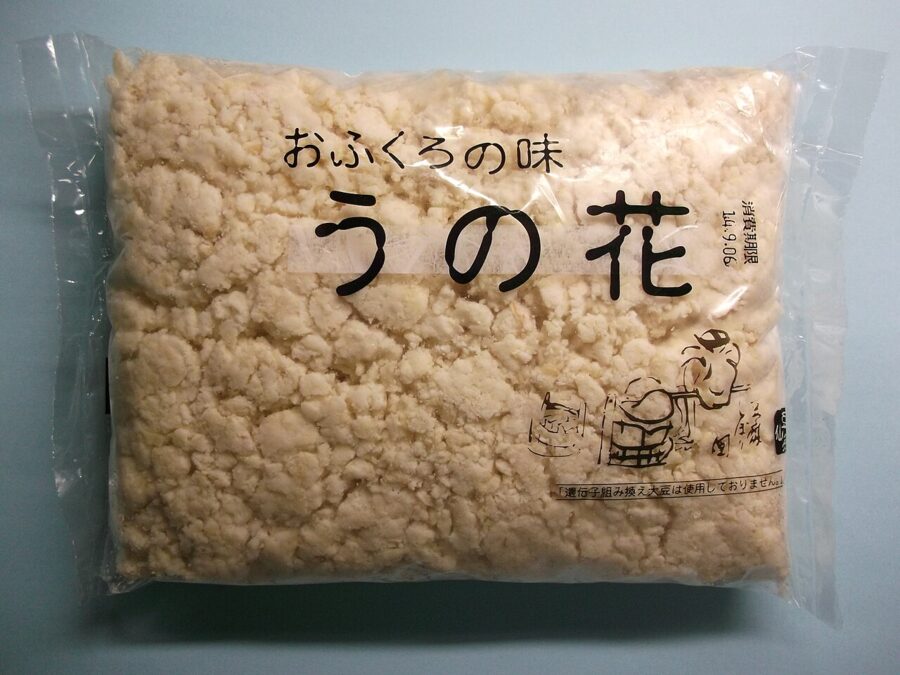
Good iri-unohana is moist, slightly sweet and tastes of the stock, not of dry sawdust. The trick is fat and liquid: the okara drinks everything you give it, so cooks add more dashi than looks sensible and finish it off the heat. If you see it on a set-meal menu at a teishoku restaurant, order it once, because it shows what a cook does with the plainest ingredient in the kitchen.
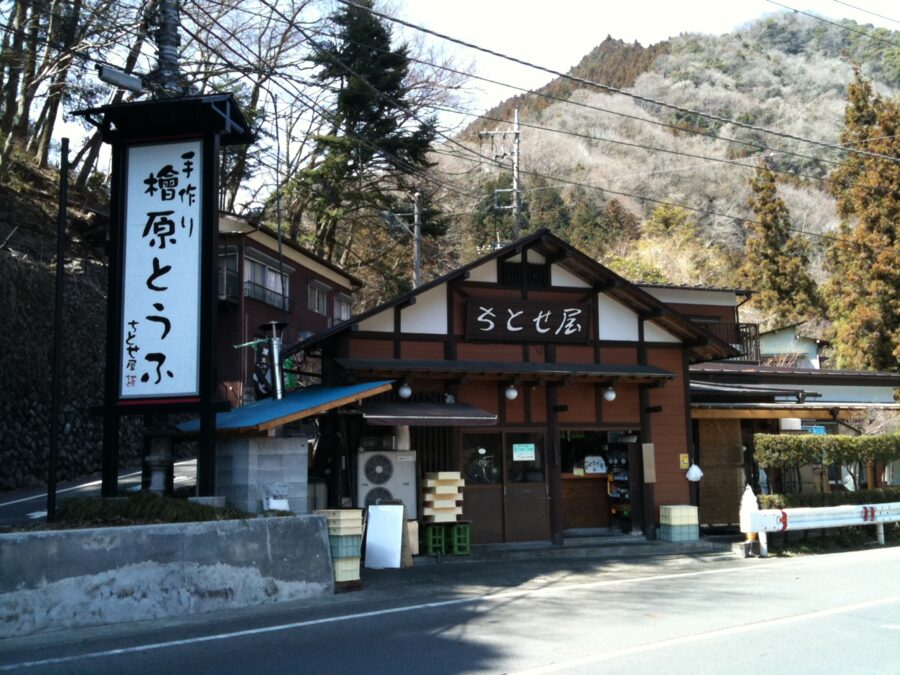
The other route in is through the shopping basket. Neighbourhood tofu shops sell fresh okara for very little, and supermarkets stock dried okara powder, which keeps for months and goes into pancakes, bread dough, cookies and a good deal of low-carbohydrate baking. Mixed into minced meat it makes a lighter, cheaper hamburg steak, a staple of home cooking.
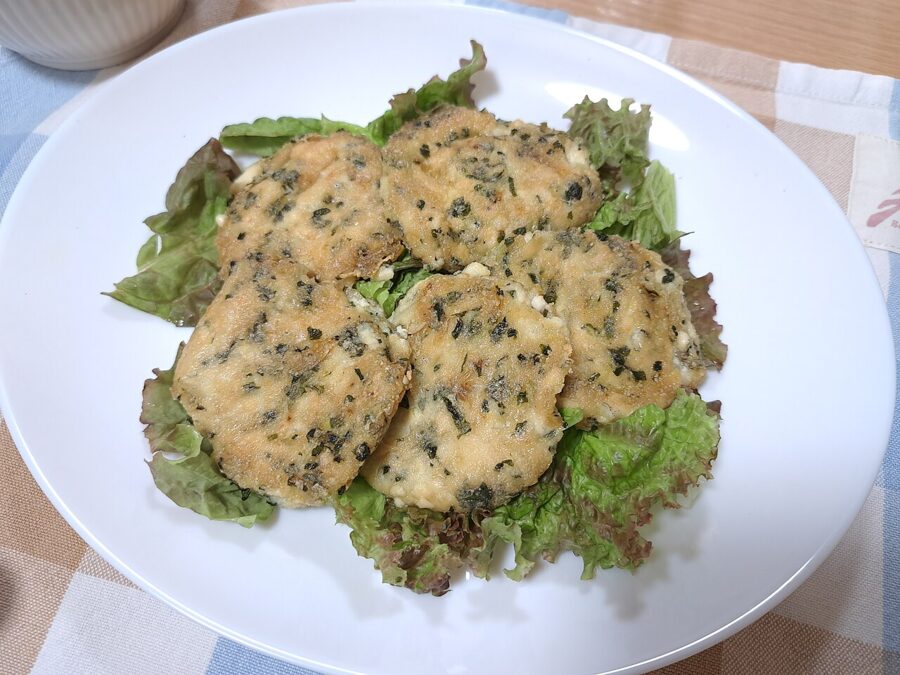
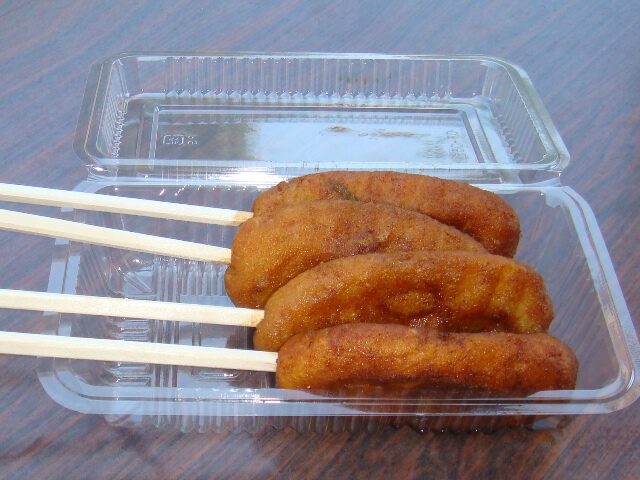
Bakeries and cake shops use it too. Some tofu makers have opened their own sweet shops to sell okara cakes, soy-milk puddings and doughnuts alongside the tofu, and okara bread and okara cookies are regular items in natural-food shops. Outside the city, Gyoda in Saitama is known for zeri furai, a fried patty of okara and potato, which has nothing to do with jelly despite the name.
Making okara doughnuts at home
An okara doughnut is one of the easiest things to fry at home, because there is no yeast to wait for. The ratio below makes about ten small rings. Use fresh okara if you can get it; if you only have okara powder, stir 40 grams of it into 110 millilitres of water and leave it for ten minutes before you start.
- 150 g fresh okara
- 150 g plain flour (hakurikiko, the soft cake flour sold in every supermarket)
- 1½ teaspoons baking powder
- 50 g sugar, and a pinch of salt
- 1 egg
- 60 to 90 ml soy milk
- Oil for frying, and kinako or cinnamon mixed half and half with sugar for coating
Mix the okara, egg, sugar, salt and 60 ml of the soy milk in a bowl until smooth. Sift in the flour and baking powder and fold until there is no dry flour left, adding more soy milk a spoonful at a time until the dough is soft but holds its shape. Let it rest for ten minutes; the okara keeps absorbing liquid, and the dough firms up.
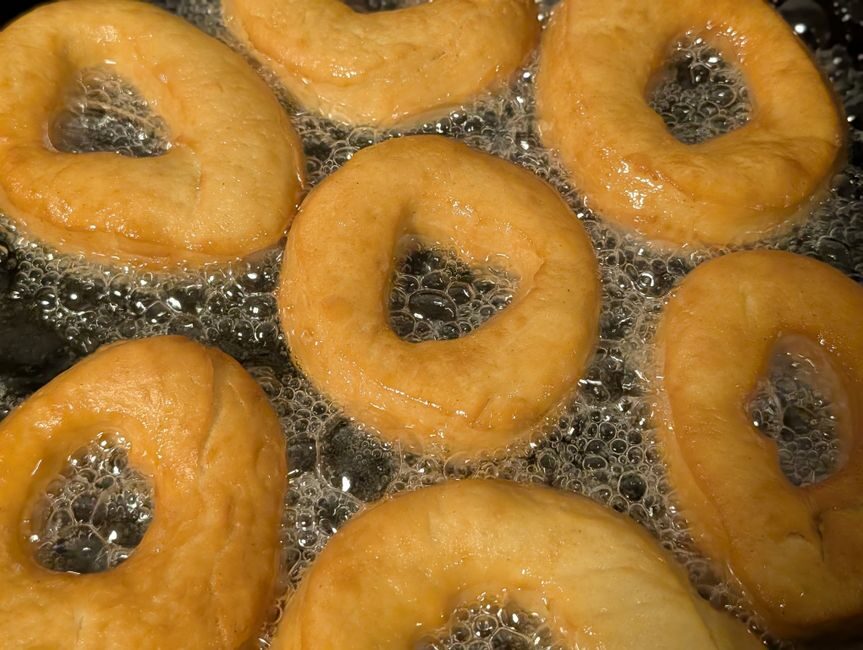
Heat the oil to 170°C. With oiled hands, roll pieces of dough into short ropes and pinch them into rings, or simply drop spoonfuls into the oil. Fry for about two minutes a side, turning once, until deep golden brown, then drain on a rack and roll them in the sugar mix while still warm.
Fry one test ring first and break it open. If the middle is pale and pasty, lower the heat and fry longer; if the doughnut cracks and spreads, the dough is too wet, so work in a spoonful of flour. Okara doughnuts dry out faster than flour ones, so eat them the day you make them, or wrap them one at a time and freeze them.
How long do they keep?
Without preservatives, a Hara Donut is at its best on the day you buy it, and so is a home-made one. Kept overnight in a sealed bag, it firms up but is still good; a minute in a toaster oven brings back the crisp outside. For anything longer, freeze them individually wrapped and let them thaw at room temperature.
Somewhere in your ward, a tofu maker is pressing soy milk before dawn, and there will be more okara by mid-morning than anyone needs. A little of it, at least, now goes out in brown paper bags. Buy the plain one first, eat it on the bench outside, and then decide whether you were ever going to stop at one.