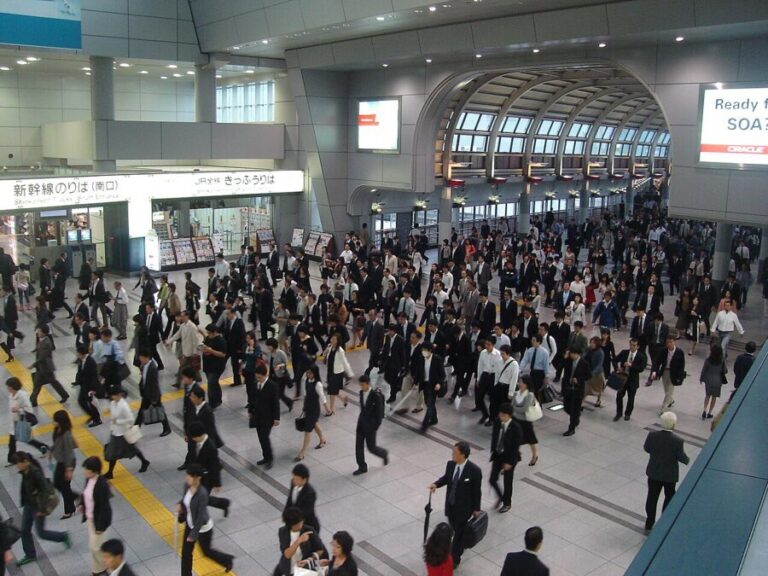
A week after the summer holidays, a box will appear on the shared table by the printer. Inside are twenty biscuits in their own plastic sleeves, and on the lid a sticky note: Hokkaido ni itte kimashita, “I went to Hokkaido.” By lunchtime one biscuit is left, and nobody will take it.
That box is the most visible part of a gift-giving habit that runs through the whole Japanese year: summer and winter gifts for people who looked after you, something small for any home you visit, cash for weddings and funerals, and a return gift for almost all of it. Most of it is about not leaving anyone in your debt, or in theirs, for too long.
Nobody expects a newcomer to know all of it, and a wrong detail costs far less than not trying. People do care about three things: timing, the wrapping, and never giving so much that the other person is stuck owing you. Prices and dates here are as of November 2026.
In this article10 parts
The gift calendar: ochugen and oseibo
Twice a year, people send a gift to those who have looked after them: clients, a mentor, the relatives who helped with the move. The summer one is ochugen (お中元) and the winter one oseibo (お歳暮). Both thank someone for the months just gone, with an unspoken “please keep looking after me.”
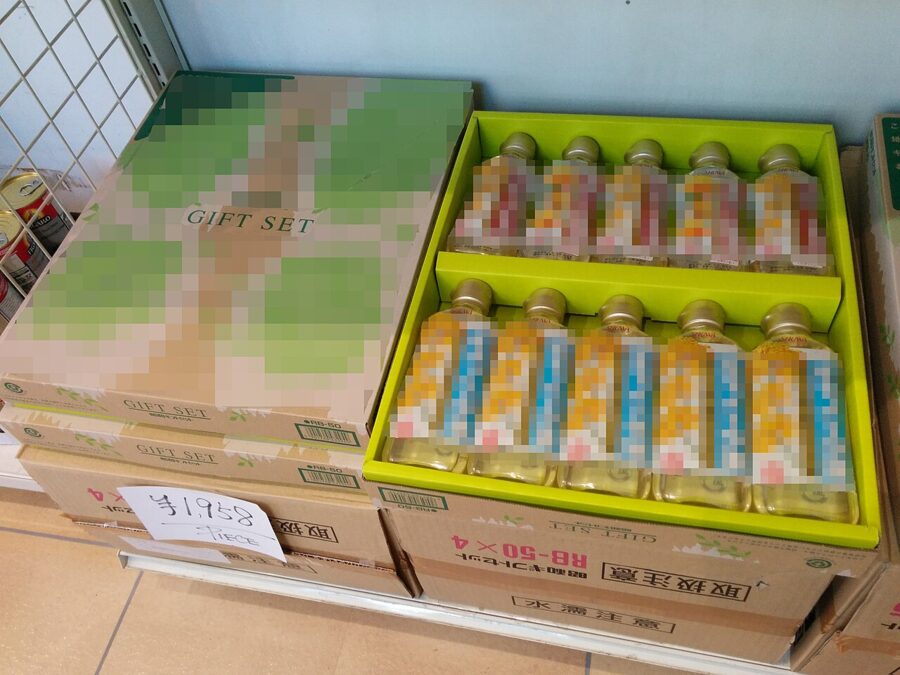
Almost all are delivered rather than handed over. You choose a box at a department store or online, and the shop sends it with the right paper on.
Ochugen: late June to 15 July in Tokyo
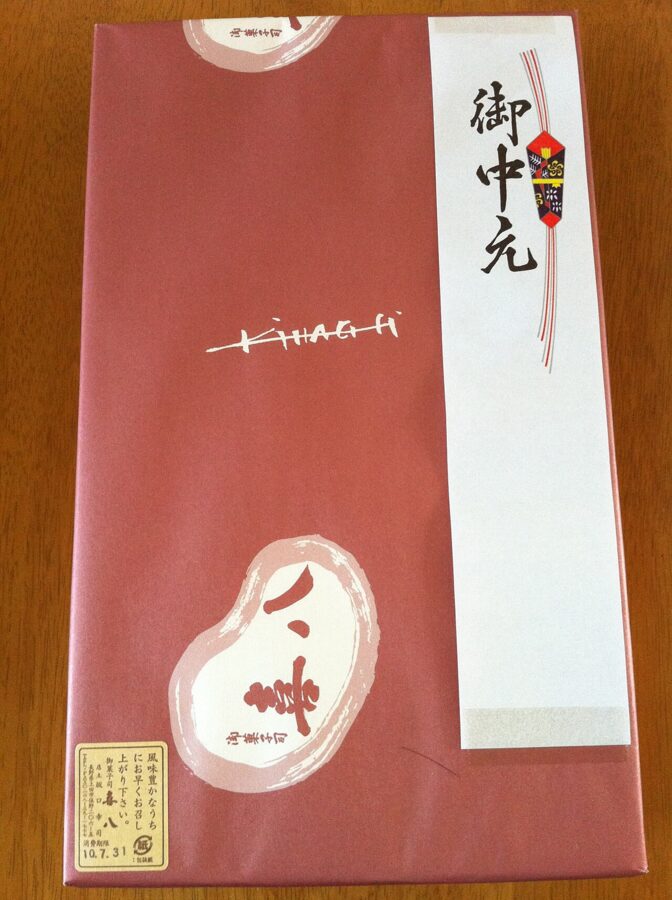
The name comes from chugen, the fifteenth day of the seventh month in the Chinese calendar, which merged in Japan with the Obon offerings to ancestors. In the Tokyo area the season used to be early July to about 15 July; department stores now say late June is normal, because the sheer volume of deliveries pushes orders earlier. Outside the capital region it runs to mid-August.
Miss the window and the gift is relabelled, not cancelled. After 15 July in Tokyo it becomes shochu o-mimai (暑中御見舞), a midsummer greeting, until the old calendar’s first day of autumn, 7 August in 2026. After that it is zansho o-mimai (残暑御見舞), a lingering-heat greeting.
Oseibo: late November to about 20 December
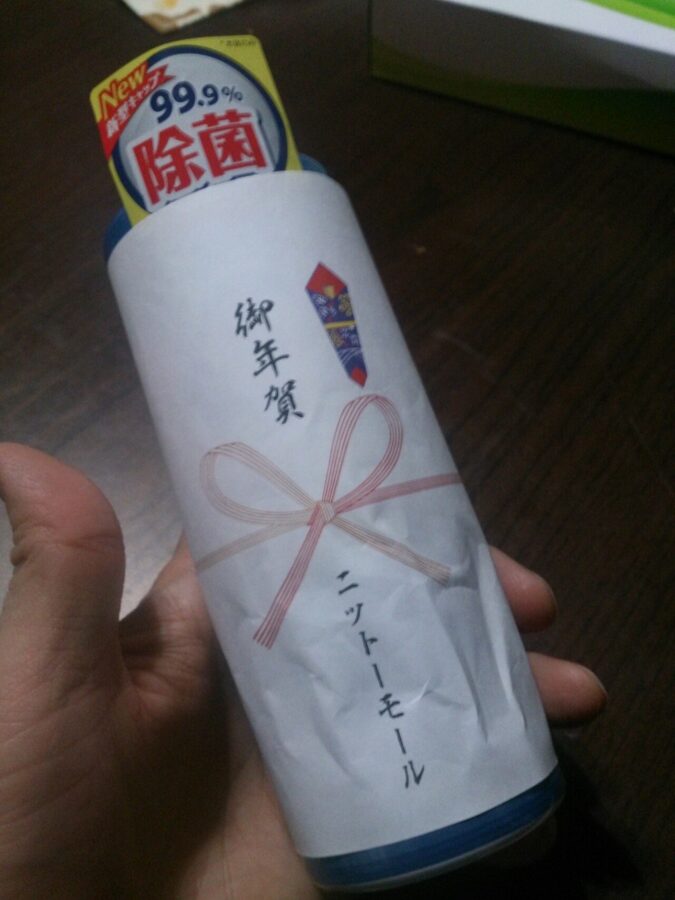
Oseibo, “year’s end”, goes out from late November in eastern Japan to about 20 December; the traditional start was 13 December, when New Year preparations began. Gifts lean to things a family shares over the holidays: beef, crab, ham, sake, good biscuits. Arriving after the year turns, it goes out in Tokyo as o-nenga (御年賀) until 7 January, then as kanchu o-mimai (寒中御見舞), a midwinter greeting.
Mourning does not stop either gift, since both are thanks rather than celebration. Leave off flowers and anything showy, and wait until the 49-day mourning period is over if the death was recent.
How much, and whether you need to
Department stores put the usual budget for both at ¥3,000 to ¥5,000 (about $20 to $30), with ¥10,000 (about $60) and up for someone who has done a great deal for you. Spending far more is not a compliment. It hands the other person a debt they never asked for.
| Gift | When (Tokyo) | Label if late | Usual spend |
|---|---|---|---|
| Ochugen 御中元 | Late June to 15 July | 暑中御見舞 to about 7 August, then 残暑御見舞 | ¥3,000 to ¥5,000 |
| Oseibo 御歳暮 | Late November to about 20 December | 御年賀 to 7 January, then 寒中御見舞 | ¥3,000 to ¥5,000 |
Most people from overseas working in Tokyo will never send either: the company sends the client ones, and private ones are a relationship you choose to start. If you do start, they are meant to be yearly, and if you can manage only one, make it oseibo. The polite way to stop is gradual: a year of oseibo only, then just a New Year card.
Omiyage: the box on the shared table
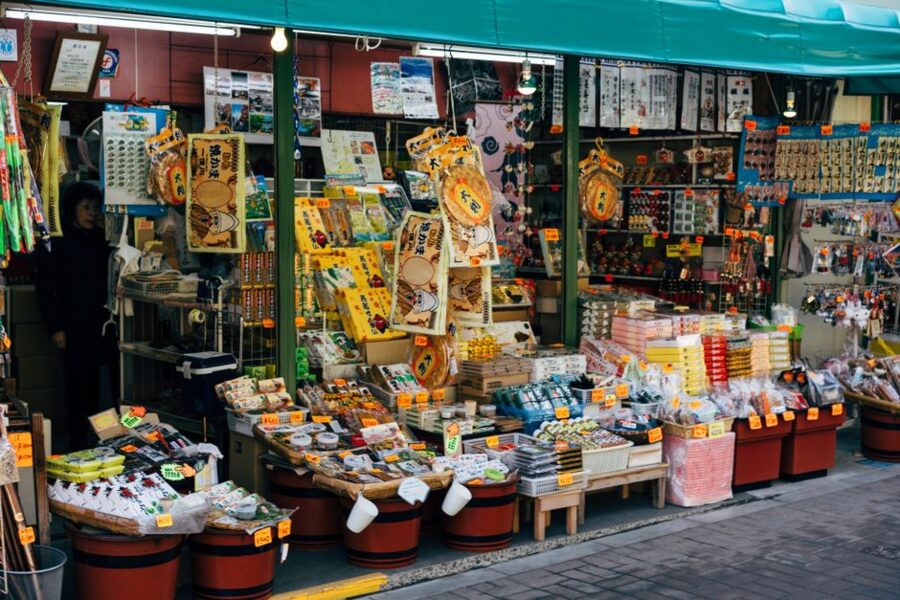
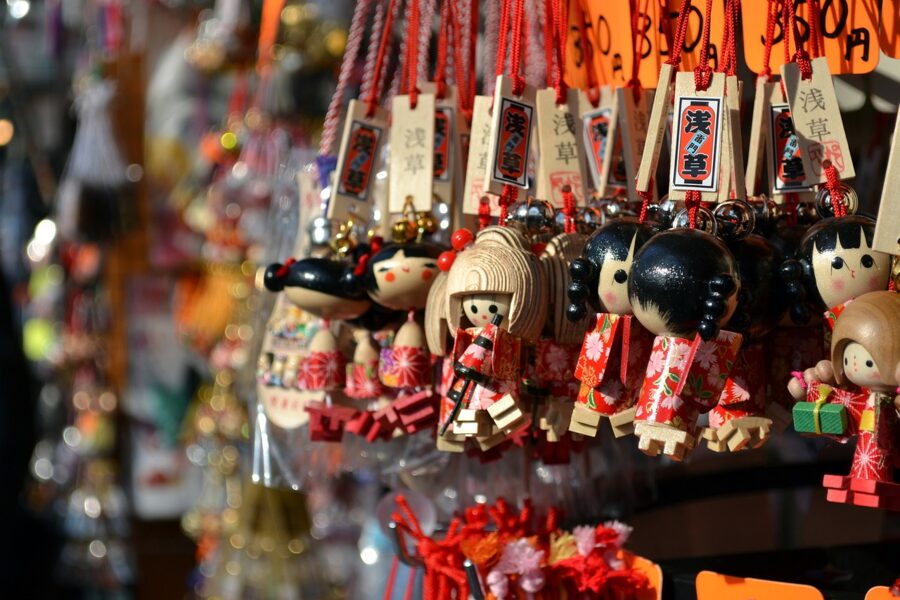
This is the one you cannot avoid. Omiyage (お土産) is the food gift you bring back from a trip, and in an office it is less a present than a thank-you to the people who covered your desk. Come back from a week of paid leave empty-handed and nobody will say a word. They will notice.
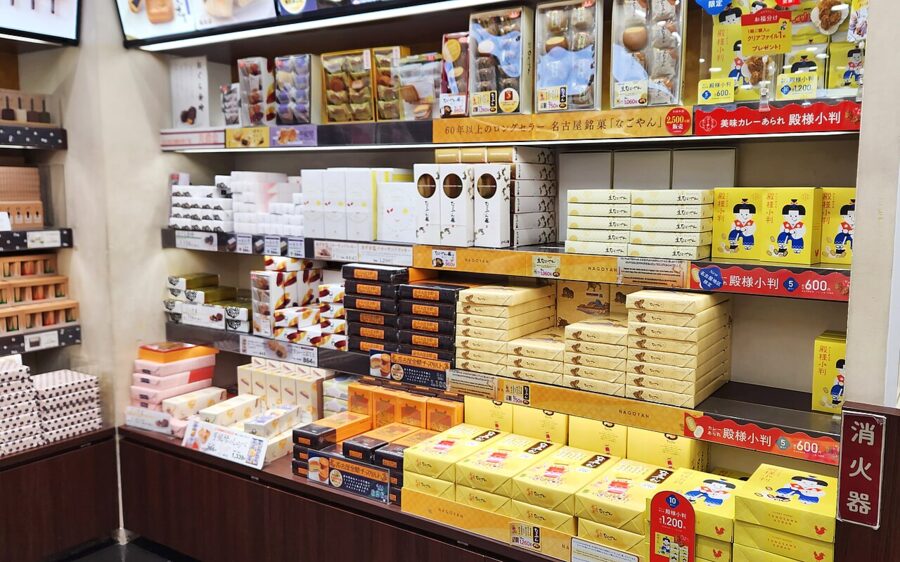
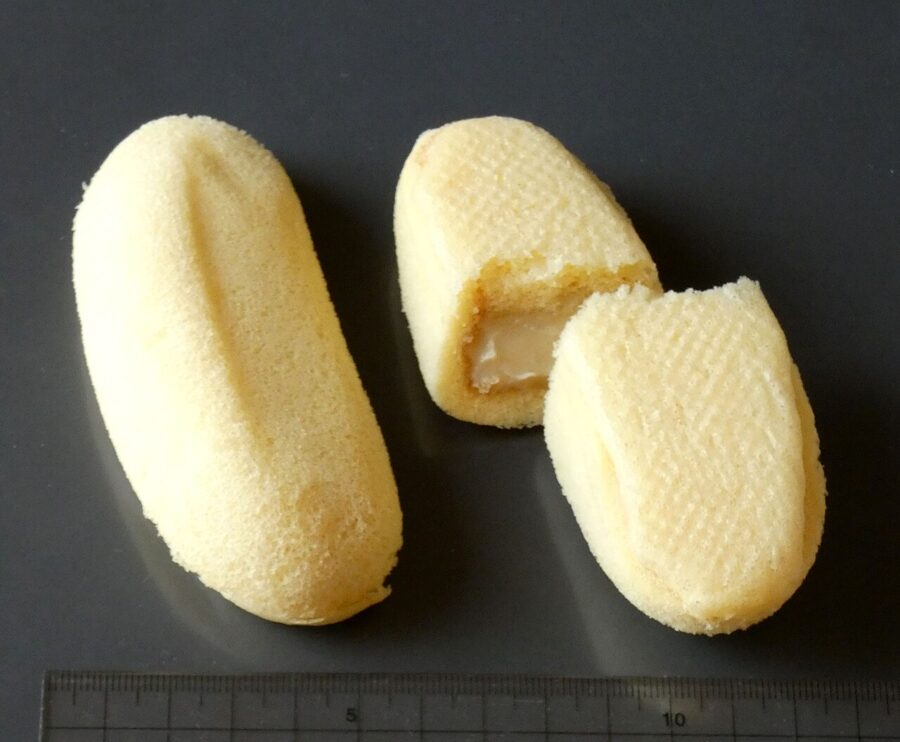
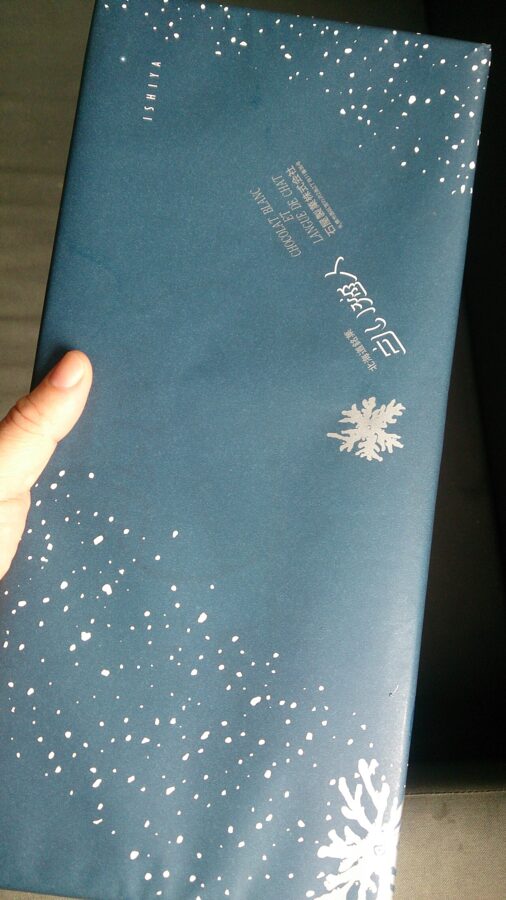
Buy something from where you went, and make it food. Each piece should be individually wrapped, keep for a couple of weeks at room temperature, and number at least as many as your team, with a few spare. A box of eight Tokyo Banana costs ¥1,296 (about $8) at the brand’s own counters, which tells you the scale: this is not where you show off.
Tell your manager first, then put the box in the usual place. The phrase is minasan de dozo (皆さんでどうぞ), “for everyone”; after leave, add o-yasumi o itadaki, arigato gozaimashita (お休みをいただき、ありがとうございました), thanks for letting me take the time. Leave one on the desk of anyone who is out.
Scale it to the trip. I would not bother after a day’s rafting near Tokyo or a night in Hakone, but a week in Okinawa, a trip home or a business trip that left colleagues doing your work all call for a box. From abroad, sweets from home are perfect, as long as they are wrapped one by one.
Visiting someone’s home: temiyage
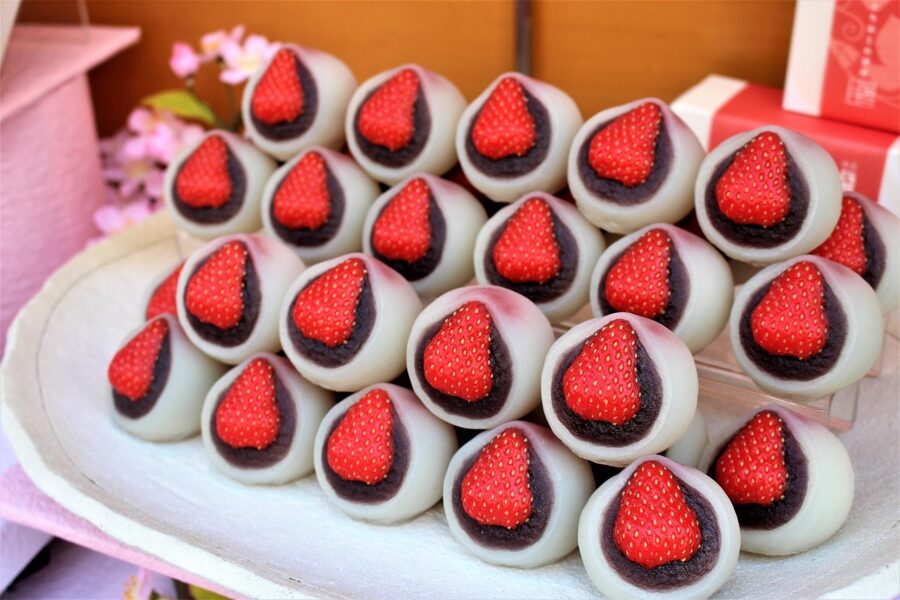
Going to a colleague’s house, your partner’s parents’ or a landlord’s, you take a temiyage (手土産), a “hand gift.” Sweets the household can share are the safe choice, and fruit works too. Wine or sake only if you know they drink.
Two habits make it look considered. Buy it somewhere other than the shop nearest their home, or it looks picked up on the way. And think about who else lives there: sweets aimed at the children say more than something fine for the person who invited you.
Hand it over once you are inside and have said hello, not at the door. The exception is anything for the fridge: give it straight away and say reizo no mono na node (冷蔵のものなので), “it needs to be kept cold.” Sweet-shop neighbourhoods such as Jiyugaoka make it easy to arrive with something clearly not from a station kiosk.
Gifts at the office
Foreign staff most often get office giving wrong by being too generous to one person. Japanese workplaces give as groups and keep individual gifts small.
Giving to your boss
You do not give your manager a birthday or Christmas present. When a boss is promoted, transferred or retires, the team collects money and one person buys the gift, labelled with the team’s name and ichido (一同), “all of us.” The card addresses the boss by title rather than name, one more reason to know the job titles.
Etiquette guides list a few things to keep from people above you: shoes and socks, which you “walk on”; pens and watches, which say “work harder”; cash or vouchers, which can look like charity. Many no longer mind, but you lose nothing by choosing something else. For someone leaving mid-career, the label is o-rei (御礼), thanks, or o-senbetsu (御餞別), a send-off, never “congratulations.”
Client gifts and company rules
Gifts to clients belong to the company, and your company has rules on what you may send and receive. Many forbid accepting anything personally, and many foreign-owned firms and some financial institutions ban business gifts outright. Before sending anything to a client, ask your manager; it is exactly the kind of question ho-ren-so is for.
Public servants are the clear line. The National Public Service Ethics Code bars national government staff from accepting gifts, under any name, from anyone their work affects: licence holders, companies being inspected, contract bidders. Do not send seasonal gifts to officials you deal with; they will have to refuse them.

If you run your own business here, client gifts count as kosaihi (交際費), entertainment expenses. The National Tax Agency lets a company with capital of ¥100 million (about $630,000) or less deduct up to ¥8 million (about $50,000) of them a year. Personally, seasonal gifts and wedding or funeral money from individuals are free of gift tax as long as the amount is socially normal.
Valentine’s Day, White Day and the end of giri choco
On 14 February in Japan, women traditionally give chocolate to men, which in offices meant giri choco (義理チョコ), “obligation chocolate”, for every man in the department. On White Day, 14 March, the men give back. It is fading fast: in a survey published by Intage in January 2026, 85.4% of women said they did not want to take part in workplace giri choco, the highest since the question was first asked in 2022.
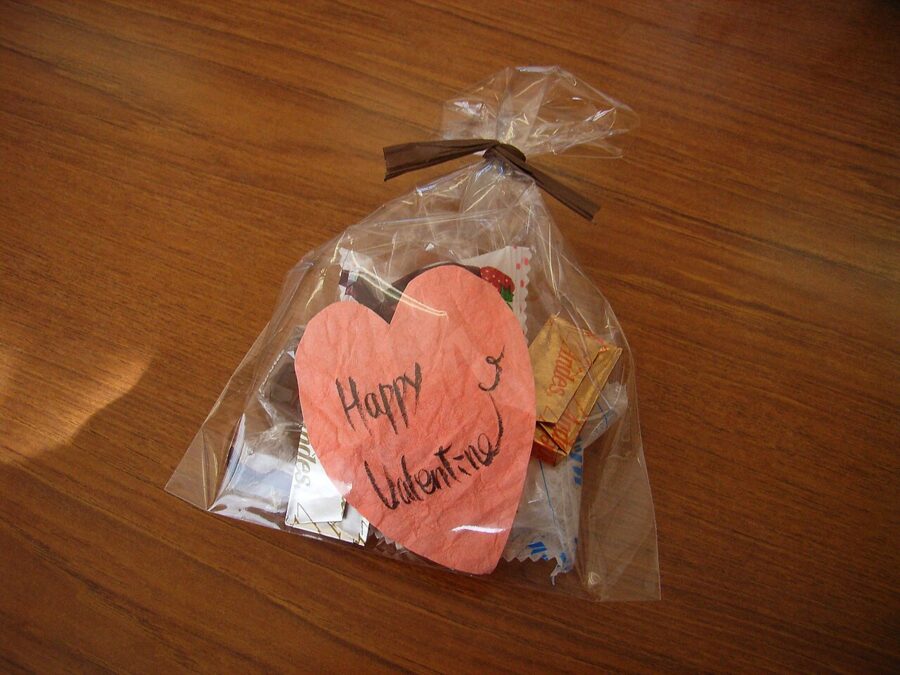
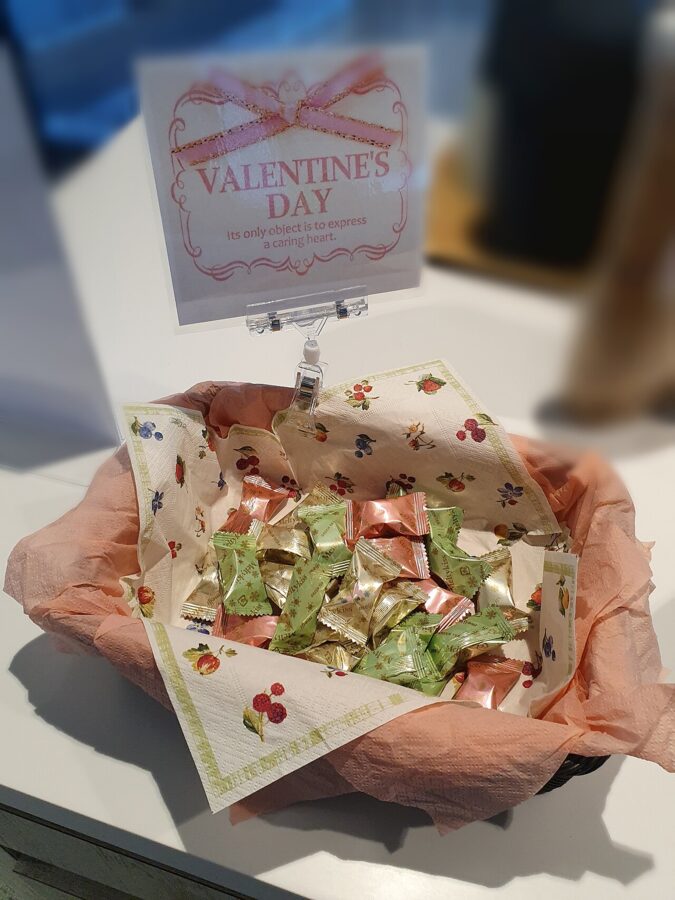
If your team still does it, join in modestly, and return anything you receive on White Day with something of similar value. If it has stopped, leave it stopped.

What not to give
Most taboos are puns. Four is shi, like death, and nine is ku, like suffering, so avoid sets and sums with those numbers. For weddings, even sums are avoided too because they divide, though ¥20,000 now often passes as “a pair” and eight is welcome as a number that “opens out.”
- Knives and scissors: they cut ties.
- Handkerchiefs: they suggest tegire, breaking off a relationship.
- Potted plants for someone in hospital: “taking root” sounds like being bedridden.
- Cyclamen, camellias and white flowers for the sick: cyclamen holds the sounds for death and suffering, camellias drop their heads whole, and white suggests loneliness. Some hospitals now refuse fresh flowers anyway.
- Anything personal to someone you barely know: clothes, perfume, anything that has to fit.
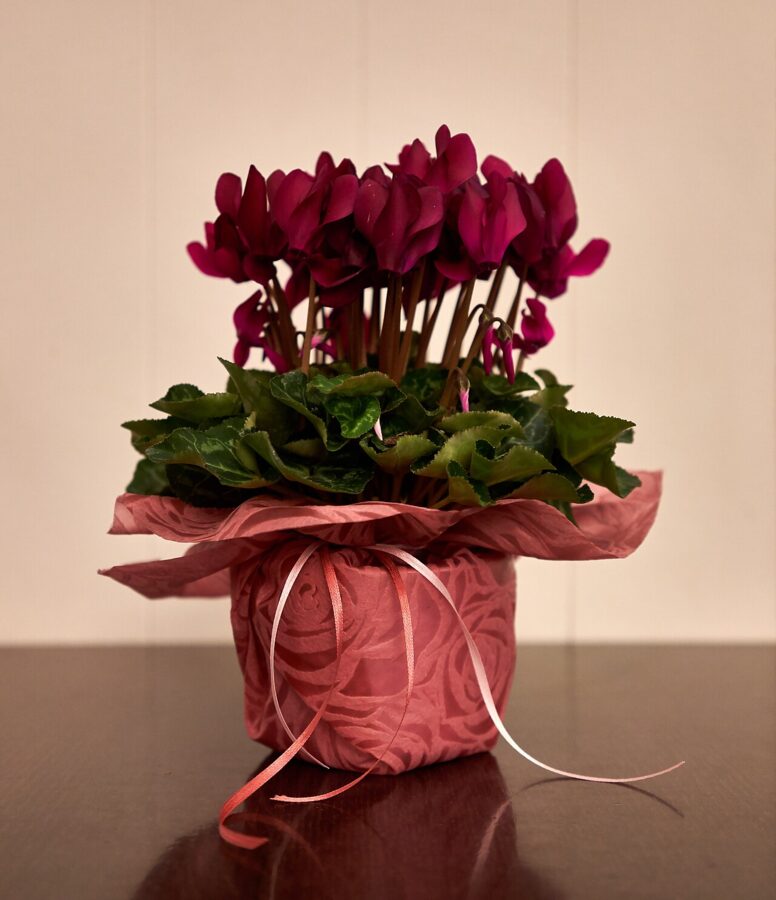
Think about the household, too. Department stores warn against short-dated cakes for someone who lives alone, alcohol for someone who does not drink, and a competitor’s products for a client.
Wrapping, noshi and the words
A formal gift is wrapped twice: in the shop’s paper, then in a kakegami (掛紙), a sheet printed with cords and a label. Department stores do this free, and when they ask what it is for, they are asking which kakegami to use. “Ochugen,” “a home visit” or “a wedding return” is all they need.
Noshi and mizuhiki
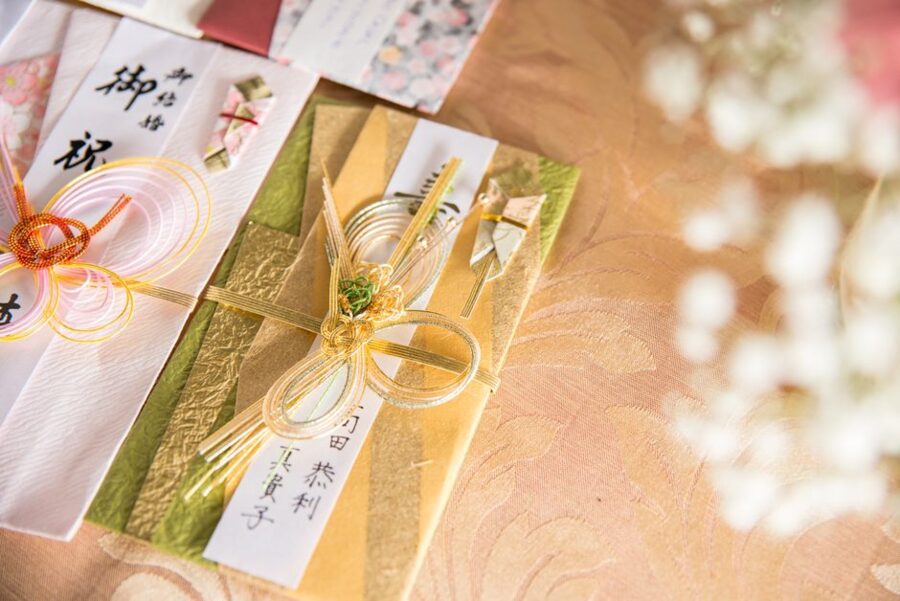
The folded ornament at the top right is the noshi (熨斗). It began as a strip of dried abalone attached to a gift, and the thin yellow strip inside the paper fold is what remains of it. Because it is fish, and Buddhist mourning avoids animal food, it is left off condolence gifts.
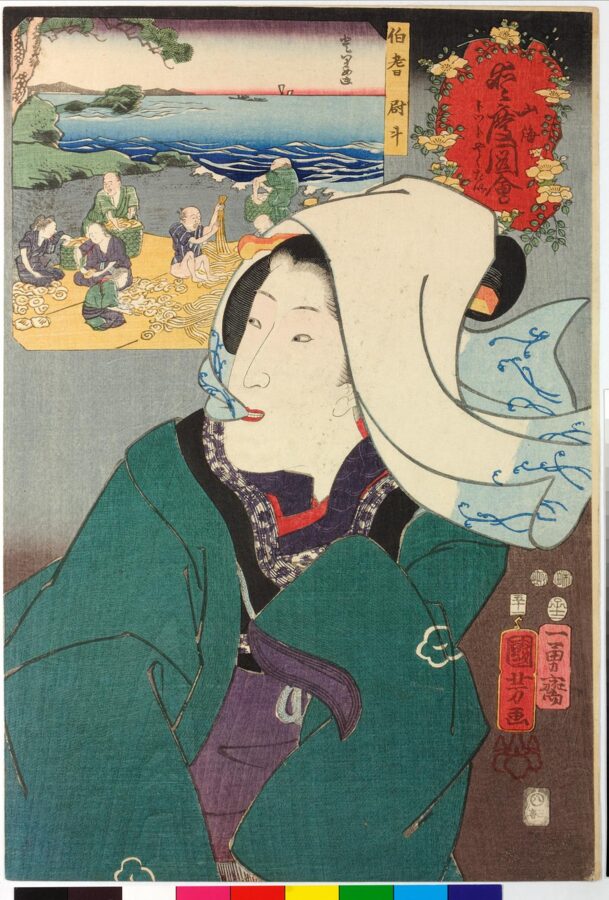
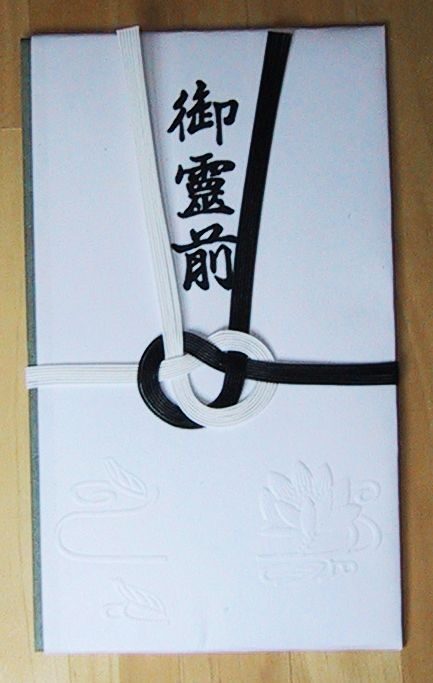
The printed cords are mizuhiki (水引). A bow, cho-musubi (蝶結び), can be untied and retied, so it goes on things that may happily recur: seasonal gifts, births, thanks. A tight knot, musubi-kiri (結び切り), cannot, so it is for weddings, funerals and get-well gifts. Red and white is for good news; black and white, or silver, for loss.
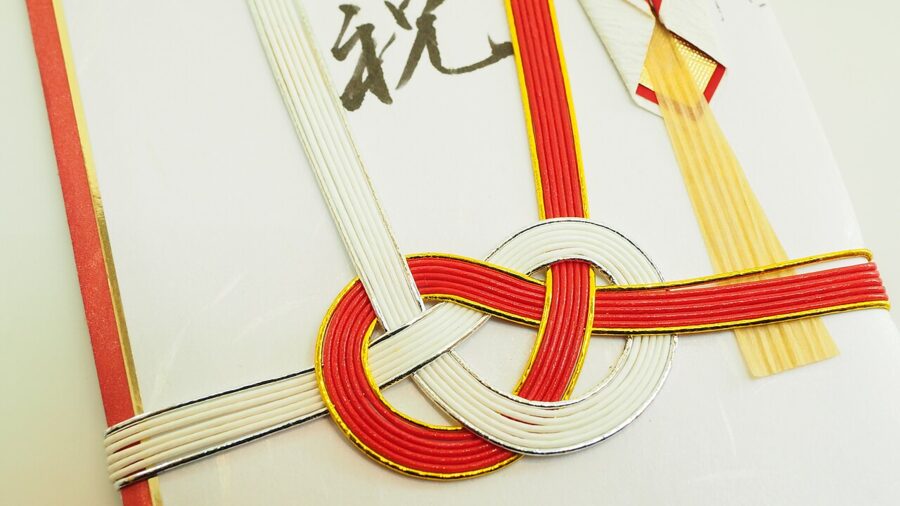
Above the cords goes the purpose, omotegaki (表書き), and below it your name or your company’s. You will mostly use o-rei (御礼) for thanks and kokoro bakari (心ばかり), “a small token”; visiting someone senior, go-aisatsu (御挨拶). Never put sunshi (寸志) on a gift to someone above you: it means a token from a superior and only goes downwards.
Ask for soto-noshi (外のし), the label outside the wrapping, when you hand a gift over and want its purpose seen. Uchi-noshi (内のし), under the paper, is quieter.
Handing it over
Carry it in the shop’s paper bag, then take it out to give it: the bag keeps it clean on the way, and handing over the bag hands over the street. Hold the gift in both hands, label facing them. Then fold the bag and take it home, or ask if they would mind disposing of it.
At a client’s office, give it after the business cards and greetings, not halfway through the meeting. At a restaurant, give it as you leave so they need not carry it through the meal.
The classic phrase is tsumaranai mono desu ga (つまらないものですが), “it’s nothing much, but.” It survives in business, but many people now find it too self-deprecating. Gentler options:
- Kokoro bakari desu ga (心ばかりですが): just a small token.
- Hon no kimochi desu (ほんの気持ちです): a small thank-you.
- O-kuchi ni aeba ureshii desu (お口に合えば嬉しいです): I hope you like it, for food.
Receiving, say go-teinei ni arigato gozaimasu (ご丁寧にありがとうございます), “how very kind,” or o-kizukai itadaki arigato gozaimasu (お気遣いいただきありがとうございます), “thank you for thinking of us.” You need not open it on the spot. If the giver says akete mite, “open it,” do.
Weddings and funerals, briefly
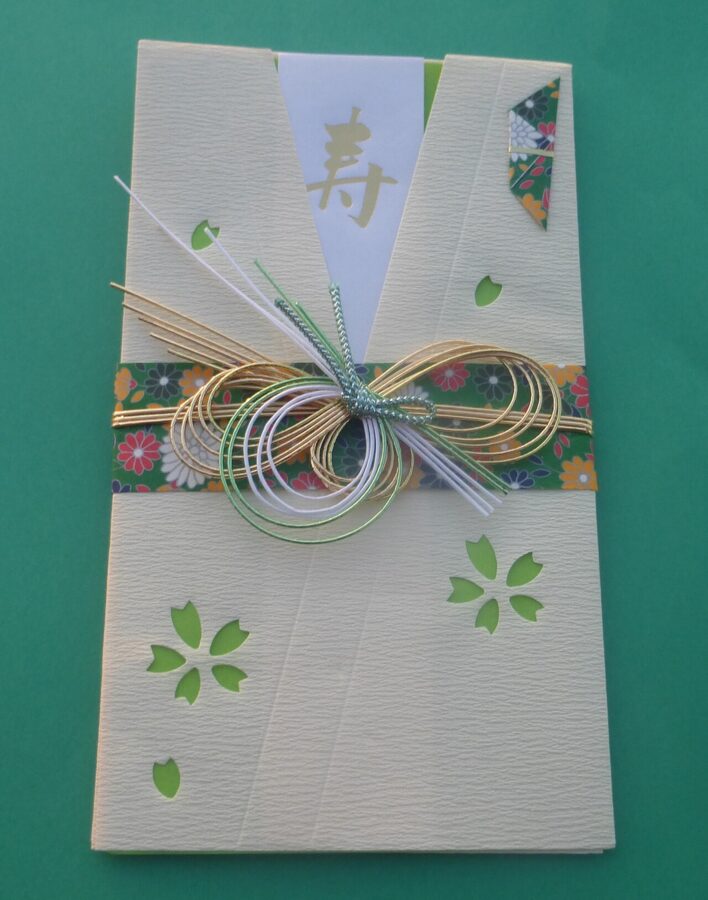
Both run on cash in special envelopes. At a wedding reception you give go-shugi (ご祝儀): ¥30,000 (about $190) is standard from a friend or colleague, and ¥30,000 or ¥50,000 (about $310) from a boss. Use new notes in a shugi-bukuro envelope and hand it in at the reception desk. If you decline from the start, about ¥10,000 sent at least a week before is usual for someone you are close to.
At a funeral, mourners bring koden (香典), money in place of incense, usually ¥5,000 to ¥10,000 (about $30 to $60). The envelope has black-and-white or silver cords, no noshi, and a name in pale ink. Use notes that are not brand new, so it does not look as if you were ready for the death. Colleagues often give jointly, and your team will organise it.
Okaeshi: what to give back
Okaeshi (お返し), the return gift, is where Japanese giving becomes a ledger. For personal celebrations the rough rule is a half return: half to a third of what you received.
| You received | What you send back | When |
|---|---|---|
| Ochugen or oseibo | No gift needed; a thank-you letter or call | Within about 3 days |
| Wedding gift (giver not at the reception) | Kekkon uchi-iwai worth about half | Within a month of the wedding |
| Gift for a new baby | Shussan uchi-iwai worth a third to a half | Usually around a month after the birth |
| Koden at a funeral | Koden-gaeshi worth a third to a half | After the 35th or 49th day |
| Anything from your boss or employer | No gift; a thank-you note | Promptly |
| Omiyage | Nothing, until your own next trip | Next trip |
Guests at a wedding reception are thanked with the hikidemono (引出物), the gift bag handed out at the end. Funeral returns are traditionally tea, seaweed, towels or soap, things that get used up so the sadness goes with them, and more families now hand a fixed return gift out on the day.
The thank-you note matters more than the return. Without one, the giver is left wondering whether the box arrived at all.
Lower-waste ways people now give
Giving without the waste has partly sorted itself out. Consumable gifts, kiemono (消えもの), “things that disappear”, were already the norm, and the plastic bag charge that began at all retailers in Japan on 1 July 2020 made a bag a choice rather than a reflex.
Furoshiki
The furoshiki (風呂敷) is a square of cloth that wraps almost anything and goes home with you afterwards; you untie it and hand over what is inside. The Ministry of the Environment promoted it in 2006 with a “mottainai furoshiki” made for the then minister, Koike Yuriko, and department stores sell their own.
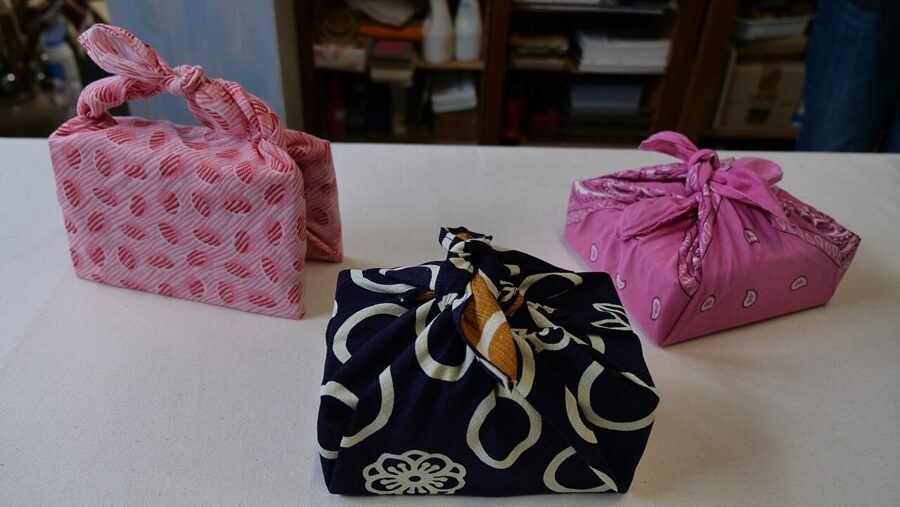
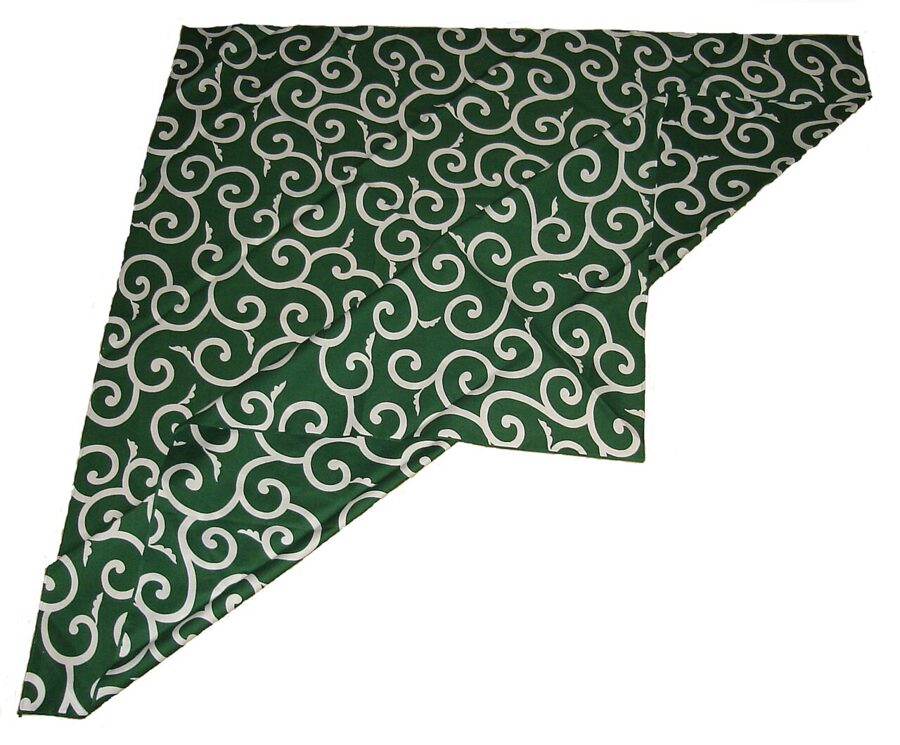
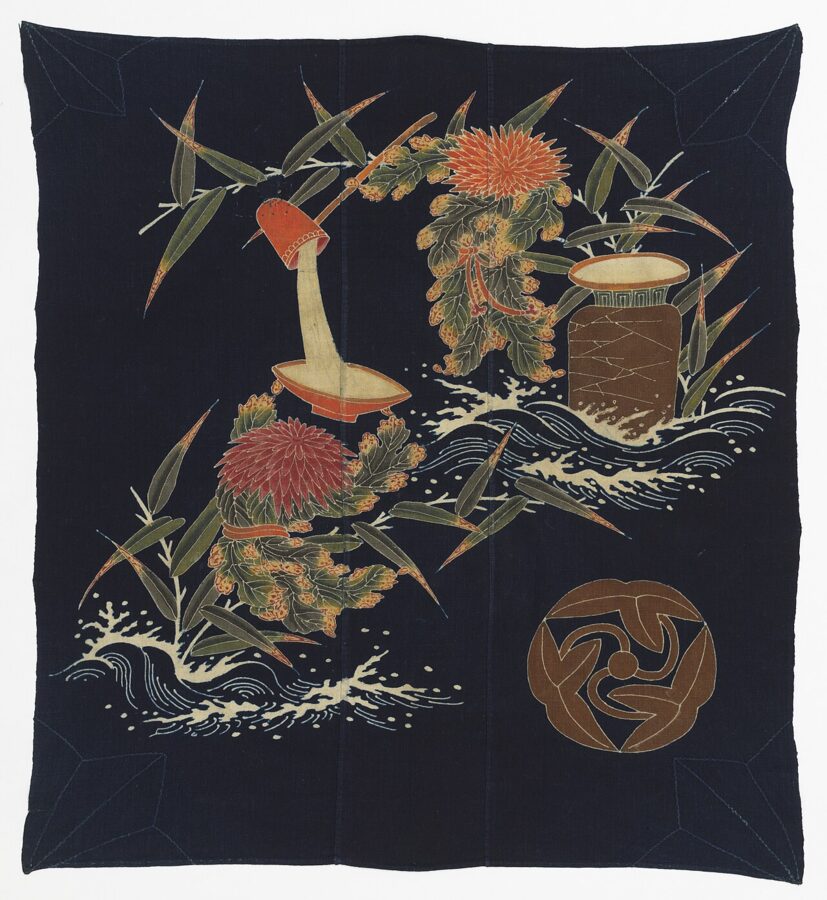
Catalogue gifts and e-gifts
A catalogue gift lets the recipient choose from a booklet or website, and it has become a common return for weddings and funerals because nobody ends up with a fifth set of towels. E-gifts go further: you send a link by email or LINE and no address is needed. Takashimaya, for one, will send a gift this way, and Yano Research Institute names e-gifts among the growth areas of a domestic gift market it puts at about ¥11.6 trillion (about $72 billion) for 2025.
For a formal seasonal gift to a senior client, a physical box still says more. For a colleague who stayed late to help you, a coffee e-gift by LINE is perfectly normal.
Where to buy in Tokyo
For anything needing a kakegami, go to a department store. The gift counters wrap, label and deliver, and the staff know every rule above. In the ochugen and oseibo seasons, the big stores set up gift centres with sample boxes and order desks.
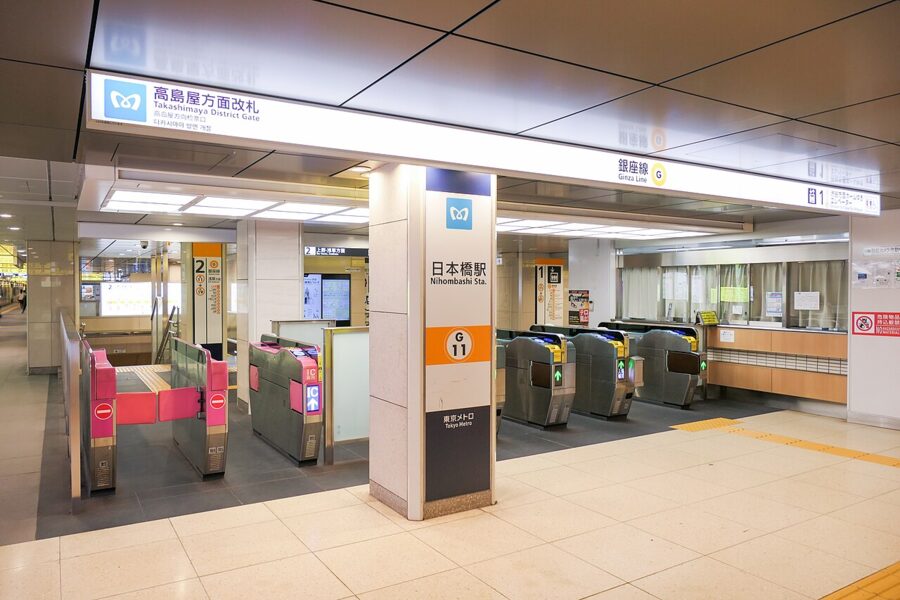
- Nihombashi: Mitsukoshi’s main store and Takashimaya’s Nihombashi store are both on Chuo-dori, either side of the Nihonbashi bridge. Takashimaya has its own ticket gate at Nihombashi Station.
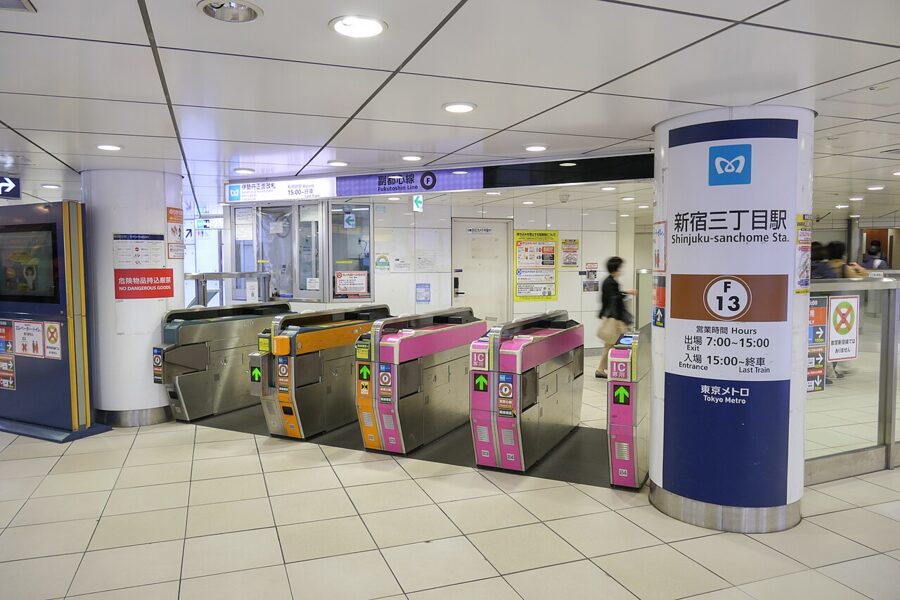
- Shinjuku: Isetan’s main store has its own gate at Shinjuku-sanchome Station, and I think its basement food hall is the best single place in the city to buy temiyage.
- Tokyo Station: Daimaru Tokyo, on the Yaesu side, is open 10:00 to 20:00 on floors B1 to 11 and closes only on 1 and 2 January (as of November 2026).
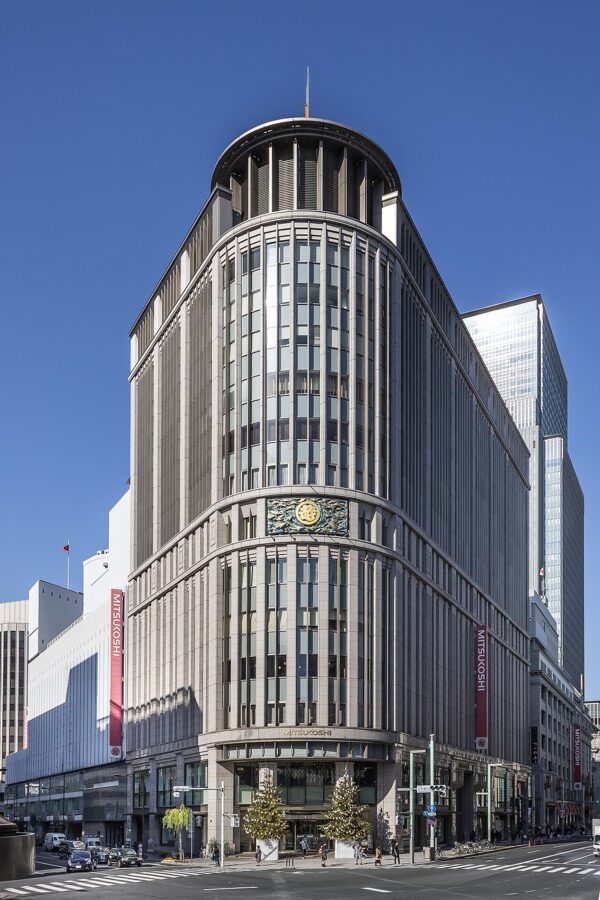
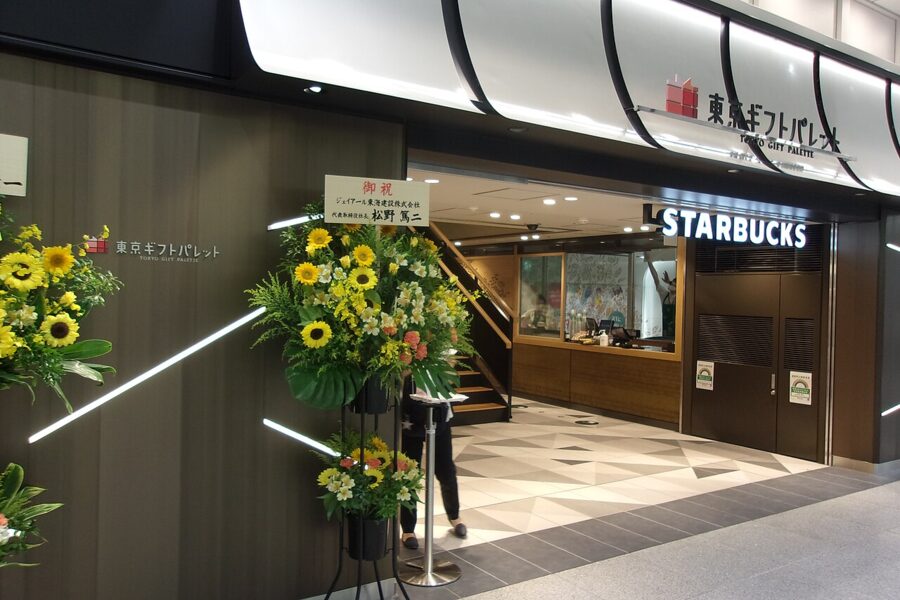
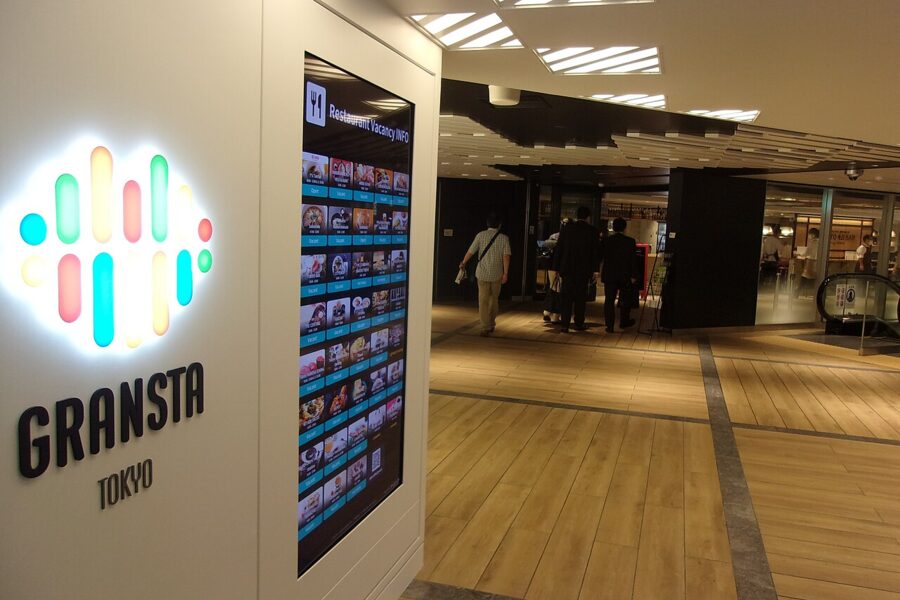
For omiyage on the way out of town, use Tokyo Station. Tokyo Gift Palette, by the Yaesu North ticket gates, gathers sweet and souvenir shops in one hall, open 9:30 to 20:30 (9:00 on weekends and holidays) as of November 2026. Inside the ticket gates, Gransta Tokyo suits a last-minute box before the shinkansen.

When it is your turn to fill the shared table, count the desks before you buy, get one box more than you think, and write the sticky note in Japanese, even if it is only the name of the place. Then take the last biscuit yourself.