There was one television in the part of the orphanage where Sahel Rosa lived as a small child, and the programme she remembers on it is Oshin, NHK’s drama about a farm girl who survives poverty and hard service in early twentieth-century Japan. Watching Oshin keep going, she has said, made the children feel they had to live too. It is also where she decided to become an actor.

Today she is a familiar face on Japanese television: commentator, presenter and narrator, an actor on screen and stage, a film director and an author. Viewers know her as サヘル・ローズ, often just Sahel. She has lived here since August 1993, when she arrived aged about eight with the woman who had adopted her, and almost nothing about the first ten years went to plan.
She has told her story many times, in books, on television and at lectures in Okinawa, Hokkaido and plenty of places between, and it has changed as she has learned more.
In this article9 parts
A name nobody knows
She does not know where or when she was born, who her parents were, or what they called her. When she entered the orphanage, the staff guessed her age from her height and the number of words she could say, and named her Narges. Her official birth year, 1985, is an estimate. Her birthday, 21 October, is the date her adoptive mother chose for it: the day of the adoption.
The earlier story was more dramatic. In her 2009 autobiography Senjo kara Joyu e (戦場から女優へ, “From the Battlefield to Actress”) and in interviews from that time, she was the only member of a large family to survive an air raid on a town near the Iraqi border, found in the rubble days later by a young volunteer named Flora. As an adult she went back to Iran and read the records, and they told a different story. She had come to the orphanage from an infants’ home, so she was already in care before the age of four.
She has a faint memory of a man she thinks was her father, and none of a mother. Of the pieces that will not fit, she says simply that she is still looking.
Life in the orphanage was a bed in a long row in what she calls the blue room, with staff who changed too often to attach to. Children who had seen their parents killed were spared the words “mother” and “father”, and some would not look in a mirror because their own faces reminded them of their parents.
Babies were adopted. Children past four mostly were not, and she compares it, without softening it, to puppies and kittens in a pet shop. Children could be adopted until they turned seven, and she was nearly out of time.
Flora
She met the woman who became her mother when she was seven. Flora was a graduate student at Tehran University who had volunteered with a relief team. Sahel called her madar, Persian for mother, at their first meeting, and on later visits begged to be taken home.
Then Flora stopped coming for a while. There was a reason. Under the rules in Iran at the time, a woman who could still have children could not adopt, so Flora had an operation to meet the rule.
She named her daughter Sahel Rosa, which Sahel translates as a rose that blooms on the beach, growing where roses are not supposed to grow. One interviewer rendered it as “a rose in the desert”, but in her own words it is the shore.
The adoption cost Flora her family. Her parents opposed taking in a child nobody could vouch for, and when she went ahead they cut her off, money included; they have since reconciled. With nowhere else to turn, Flora joined her husband, who was studying in Japan. Older accounts call him her fiancé.
August 1993: a park in Saitama
They arrived in August 1993 and moved in with him in Saitama, where Sahel started at a local primary school in the second year. It did not last. She has said plainly that she behaved badly, eating with her hands as if someone would take the food and breaking things to test the adults. He answered with shouting and then with violence, and Flora took her and left.
For about two weeks, in the cold, mother and daughter lived in a park. Flora went to a factory that paid by the day, and Sahel went to school. They met at the same bench in the evening and sat in the library until it closed at eight to keep warm, then walked the supermarket choosing whatever had the fewest digits on the price tag. Some nights they slept in a concrete pipe in the park.
School, she has said, was “a place to refuel”, and she always went back for second helpings at lunch.
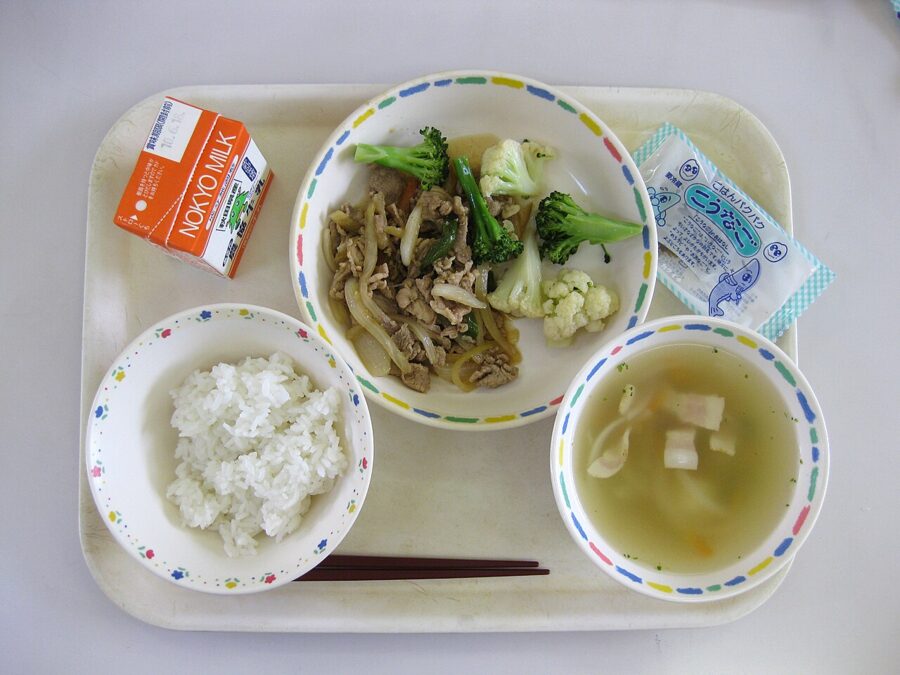
What got them out was what she calls osekkai (お節介), the busybody kindness of people who notice and do not ask questions. A supermarket worker who saw the same foreign mother and child at the free samples every day handed them a bag of side dishes without a word.
A woman who served lunches at Sahel’s school asked her “Daijobu?” (are you all right?) one afternoon, understood the word “park”, and took her home on the back of her bicycle.
They lived with the lunch lady for a month and a half. She helped them with the procedures they needed to stay in Japan and signed as guarantor so that Flora could rent a flat, and to friends who asked if she knew what she was doing, she said helping people in trouble is just what you do.
The head teacher at that first school taught her Japanese one to one. A manga picked up in a dentist’s waiting room, Yaguchi Takao’s fishing story Tsurikichi Sanpei, got her reading, and Tezuka Osamu’s Buddha followed, an odd choice for a Muslim, she admits. Japanese sounded a little frightening at first, she has said, after Persian, which she describes as spoken almost like singing.
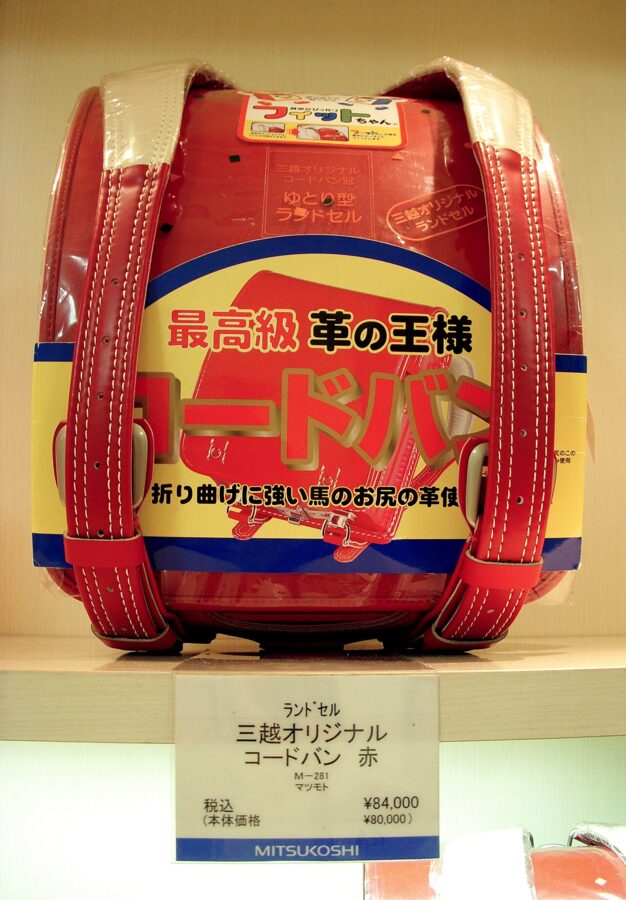
Then came the job that every child of immigrant parents here will recognise. As her Japanese overtook her mother’s, she became Flora’s interpreter: paying the utility bills on the way home with her randoseru (school satchel) still on her back, sorting out forms at the ward office and explaining things to doctors. If your child’s Japanese is already ahead of yours, remember how much that weighs on someone so young.
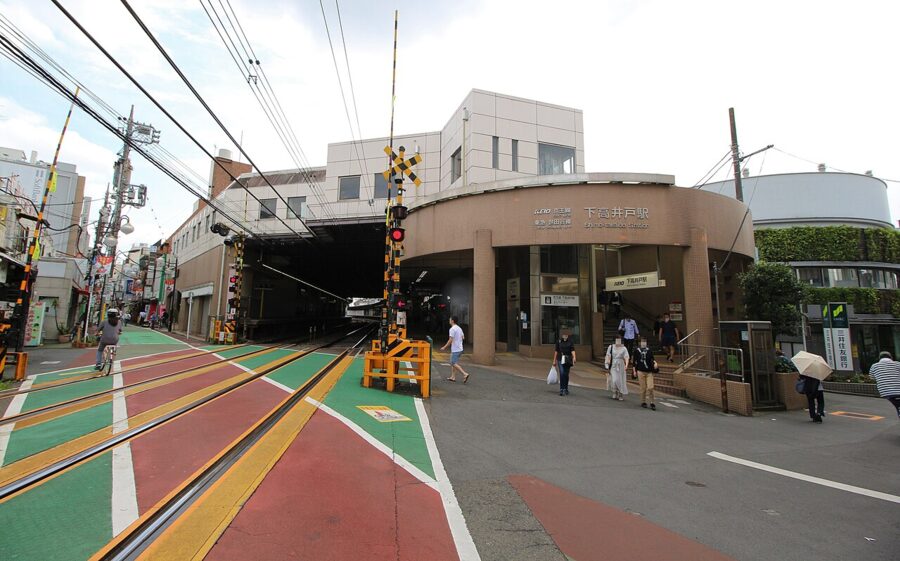
Shimotakaido and the junior high years
When she was in about the fourth year of primary school they moved to Tokyo, into a wooden apartment building some seventy years old in Shimotakaido, the neighbourhood on the southern edge of Suginami. The toilets were shared and there was no bath. The kitchen tap ran cold only, so Flora boiled water on the gas ring, sat Sahel by the sink and washed her there.
When they fell behind with the rent and Flora went to apologise, the elderly landlord told her not to worry and gave her soap and towels. A student in the building changed their light bulbs.
In primary school the teasing was about being poor: crumpled clothes, unbrushed hair, a bar of soap where other girls had shampoo. At junior high it turned on being Iranian. The news at the time carried stories about Iranians selling forged telephone cards and drugs, and classmates asked whether she was in the country illegally and whether she took stimulants. For three years she was “Sahel germs”.
One exam morning she found Iran-jin iran written on her desk, a pun that reads as “Iranians not wanted”. She can laugh at the pun now.
She told her mother none of it. She cried all the way home, then flipped what she calls her “model pupil switch” before Flora came in from a day cleaning toilets, and made up stories about friends she did not have. A school counsellor listened for an hour and ended with “Ganbaro“, keep at it. That word, she has said, is what broke her, because she had been keeping at it all along.
The day she finally told Flora she wanted to die, Flora did not argue. “All right,” she said, “but take me with you.” When they held each other, Sahel could feel her mother’s ribs, and the hands that had lifted her out of the orphanage, soft and full then, were now skin, bone and veins.
She decided there and then to live to make this woman happy. The bullying carried on, she has said, but from that day it stopped being unbearable.
The advice from Flora she quotes most often comes from those years. Do not let a childhood without parents become the excuse for a life that goes wrong; you know pain better than anyone, so turn it into kindness. Flora also pushed her towards biographies, since every great figure failed first. Sahel liked books for a simpler reason: they did not answer back.
Night school, corpse roles and a radio audition
Her grades were poor, partly because her first years in Japan had gone on learning the language rather than any other subject. She went on to the part-time course, the teijisei (定時制), at an agricultural high school, assuming that university, her mother’s hope for her, was out of reach. A teacher there told her there was no such thing as a stupid child and tutored her outside lessons until it was within reach after all.
To save for fees she worked as a foreign extra for five or six years. Television then wanted blonde, blue-eyed foreigners, and a dark-haired teenager from Iran got two kinds of part.
There were corpses in the re-enactments on true-story shows such as Kiseki Taiken! Unbelievable and The! Sekai Gyoten News, and there were terrorists.
She has said she became very good at dying on camera, and that it was the terrorist roles that hurt. “Why is that the only place for people from the Middle East in this country?”
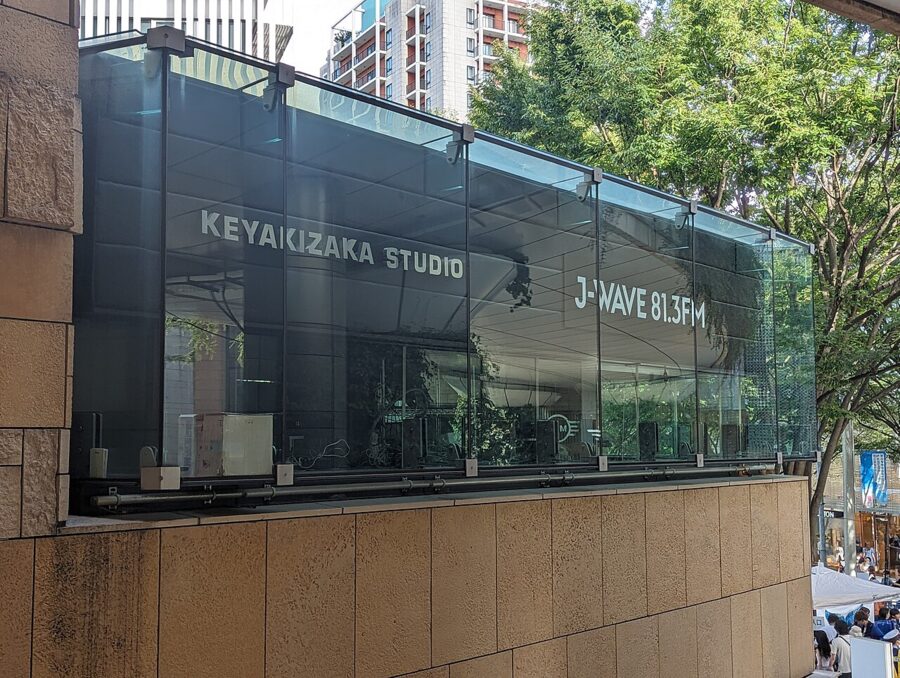
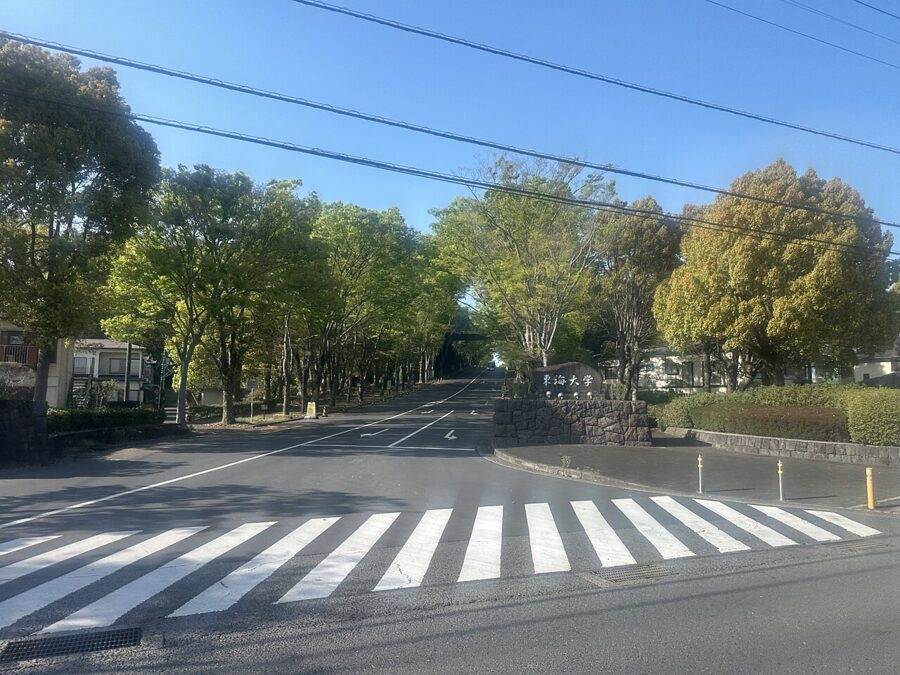
In her third year of high school she passed an audition at J-WAVE, the FM station that broadcasts from Roppongi Hills, and started out as a reporter on its morning programme. Radio led to modelling and to regular television work, and she kept studying through it, graduating from Tokai University.
Television first, then film and the stage
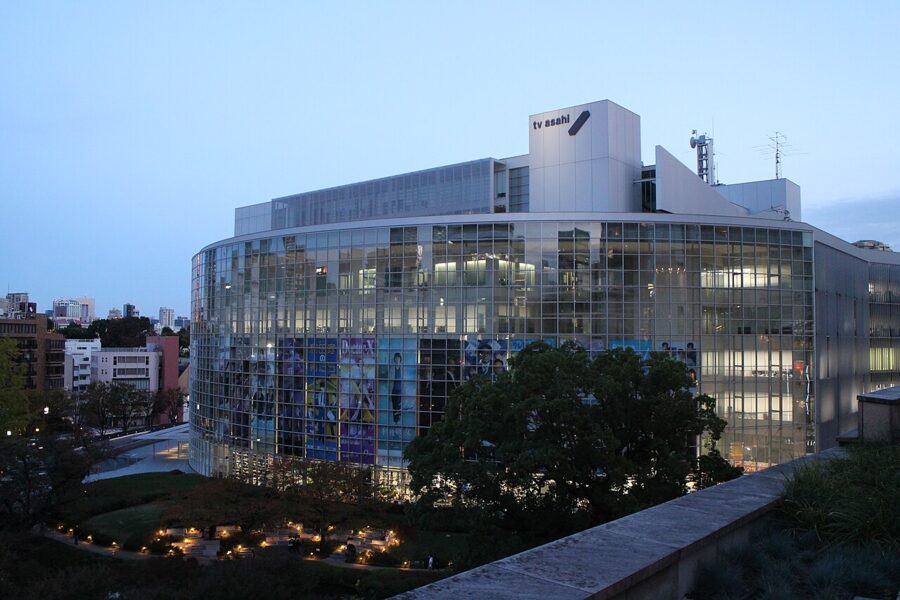
For ten years, until December 2016, she was a regular on TV Asahi’s evening news programme Super J Channel. She hosted international programmes on NHK’s satellite channels, read light news on Nippon TV’s The Sunday as “Takigawa Kuri-Sahel”, an impression of the newscaster Takigawa Christel, and became a commentator on news and talk shows, TBS’s Sunday Morning among them.
Acting took longer. There were small parts in films such as Tokyo-jima (2010) and Pecoross no Haha ni Ai ni Iku (2013), and then a lead in Cold Feet (冷たい床), which played at festivals abroad and won her best lead actress in a foreign-language film at the Milan International Filmmaker Festival.
In My Small Land (2022), Kawawada Emma’s film about a Kurdish family in Saitama whose asylum claim is refused, she played Lonahi. TV dramas followed, including Aibou in 2022 and NHK’s Yasashii Neko in 2023, as did Iwai Shunji’s Kyrie (2023) and the 2025 film of Kowloon Generic Romance.
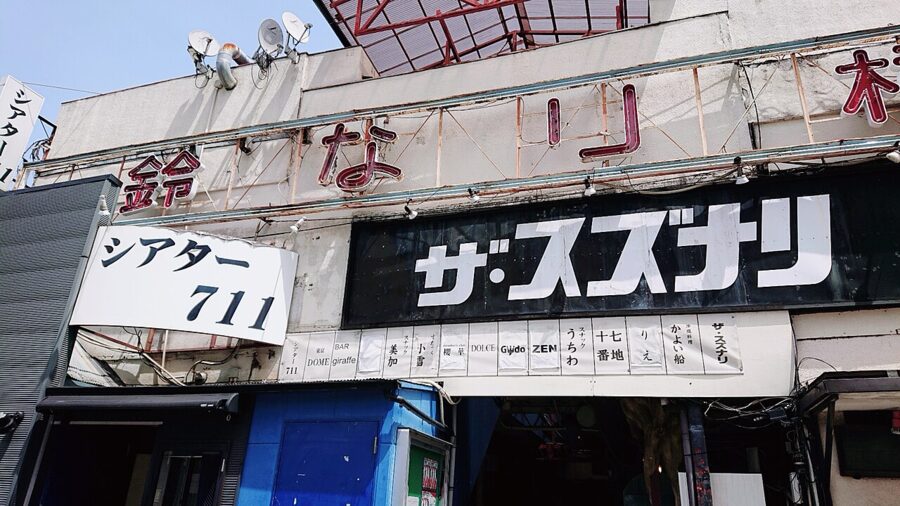
On stage she played the lead in Sartre’s The Respectful Prostitute (Uyauyashiki Shofu) for the Shinjuku Ryozanpaku company. It opened at the Tokyo Metropolitan Theatre in October 2018 and came back at The Suzunari in Shimokitazawa in December 2025. Lizzie, the title role, is a woman pressed to give false testimony against a Black man in the American South, and it is easy to see why the part would interest an actor who spent her teens being cast as the suspect.

Hanataba, her film
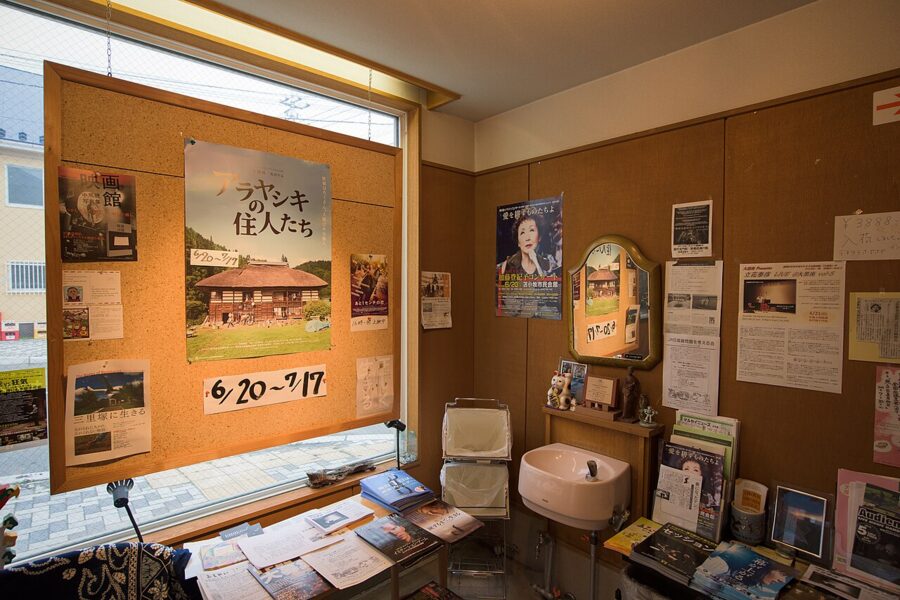
In 2024 she released her first film as director, Hanataba (花束, “Bouquet”). Eight young people who grew up in children’s homes in Japan tell their own stories and act out scenes from them, with Sato Koichi and Sarah Àlainn among the cast. Iwai Shunji was executive producer, the musician SUGIZO wrote the score and Shirai Keita wrote the script.
The subject is close to home. What a child in care needs, she has said, is not only food but being seen, in Japan now as in that Iranian orphanage.
The film has had cinema runs, but mostly it travels to halls and small cinemas, with the director there to talk afterwards: Komagane in Nagano in January 2026, Urakawa in Hokkaido that October. A local screening is the likeliest way to catch it.
Refugee camps, orphanages and the word “support”
The aid work began with a trip to India on her own, where she met children with no clothes and no home and wanted to hand them money. Flora told her that money would solve nothing: help build something that lets children learn and adults work. She has since helped with lessons and schools in refugee camps and in several countries.
The aim, she says, is to give children the ability to think, because a child who can read and write has a chance of living as an individual rather than being handed a gun.
She served as a goodwill ambassador for the international NGO Family for Every Child, and in 2020 received a human rights activist award in the United States. Part of the proceeds from her 2024 book for teenagers go to Ekmattra, which runs education for street children in Bangladesh. One long-term goal she has repeated for years is an orphanage of her own in Iran.
She is frank about where it started. At first, she has said, she wanted to be needed, because she did not love herself and thought she meant nothing unless someone needed her. Over time she found she was getting more than she gave, and the work became what she lives for.
In August 2026 she went to Ukraine. She spent time with children in Kyiv who had lost their families, and with people keeping ordinary life going between air-raid alerts. She came away without an answer to what peace means to them, she has said, and talks it through with guests in an NHK Radio 1 series, Sahel Rosa no Heiwa no Kakera o Sagashite (“Looking for pieces of peace”), whose second episode first aired on 3 November 2026.

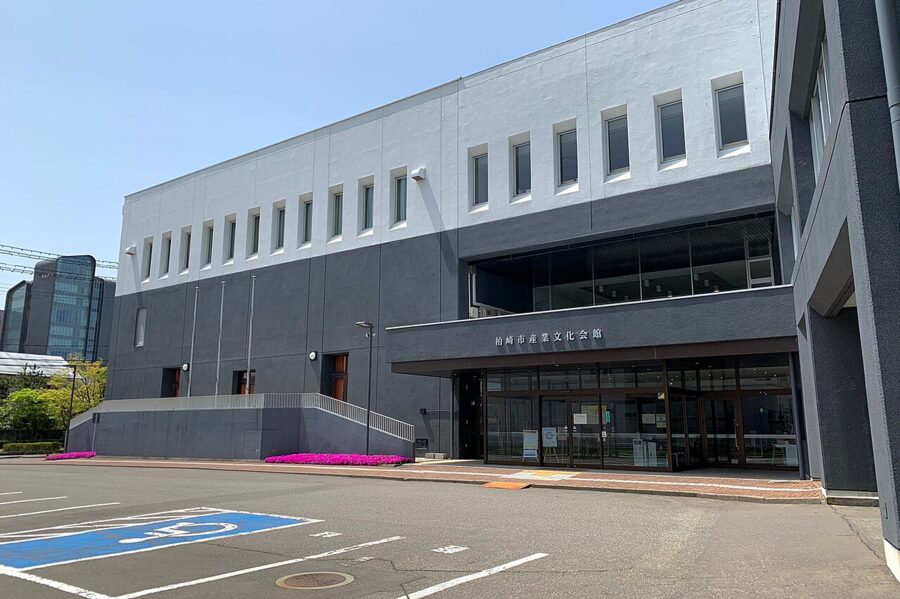
At a lecture in Kashiwazaki, Niigata, in September 2026, her advice was smaller in scale: plant seeds of peace within three metres of yourself, by holding out a hand to the person in front of you.
On being a foreigner here
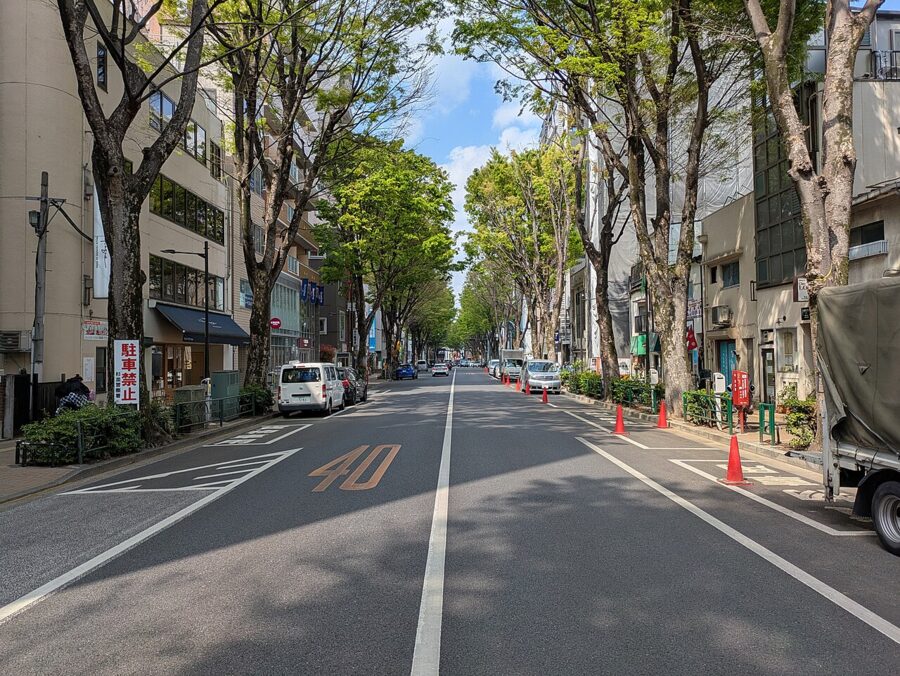
Much of what she says about Japan is grateful. After many aid trips abroad, she calls it the safest and easiest place to live that she knows, and Tokyo her home: the place where someone answers “welcome back” when you walk in. She likes the old shitamachi (downtown) streets and their alleys, best explored without a map.
Some of it is not grateful at all. In July 2025, during the upper house election campaign, she said on Sunday Morning that it was painful to watch parties make foreign residents a target when people like her, who cannot vote, had no way to answer.
The next day she wrote on X that she had never asked for the vote. What saddened her, she said, was hearing foreigners who work, pay tax and live as part of their communities spoken of as if they were all villains. “Of course there are people who break the rules,” she added.
Her suggestion for living side by side is one any newcomer to a Japanese office can use on Monday: make the subject of your sentences smaller. People bristle at being lumped in as “the Japanese”, she points out, so do not lump anyone in as “the Iranians” or “the foreigners”. The lunch lady who took them in, she says, never saw an Iranian family, only “you and me”.
The girl who watched Oshin on the orphanage television now has her own series on NHK. What she tells children going through it now is not “keep at it”, the word that broke her in junior high. It is that someone out here knows the same pain.