In 1929 the railway had already picked a new name for the little station on this hill: Fusuma. The people who had recently moved here, the dancer Ishii Baku among them, pushed back, and the station took the name of a school with progressive ideas that had opened on the hill two years earlier. Jiyugaoka (自由が丘) means “liberty hill”, and it is still a town where the residents argue about what it should be.

It is eight minutes from Shibuya on a Toyoko Line express. Twelve shopping streets meet at the station, each with its own design of lamp post, and a tree-lined path runs over a buried river. There is a mock Venetian canal, the shop that served Japan its first Mont Blanc cake, and quiet streets of houses five minutes from the ticket gates.
Since September 2026 there is also a fifteen-storey tower facing the station square, and the sweets shops have been reshuffling around it. The famous dessert hall has gone, the oldest cake shop has moved, and the best-known patisserie is shutting its salon for the winter.
In this article8 parts
Getting there, and which exit to use
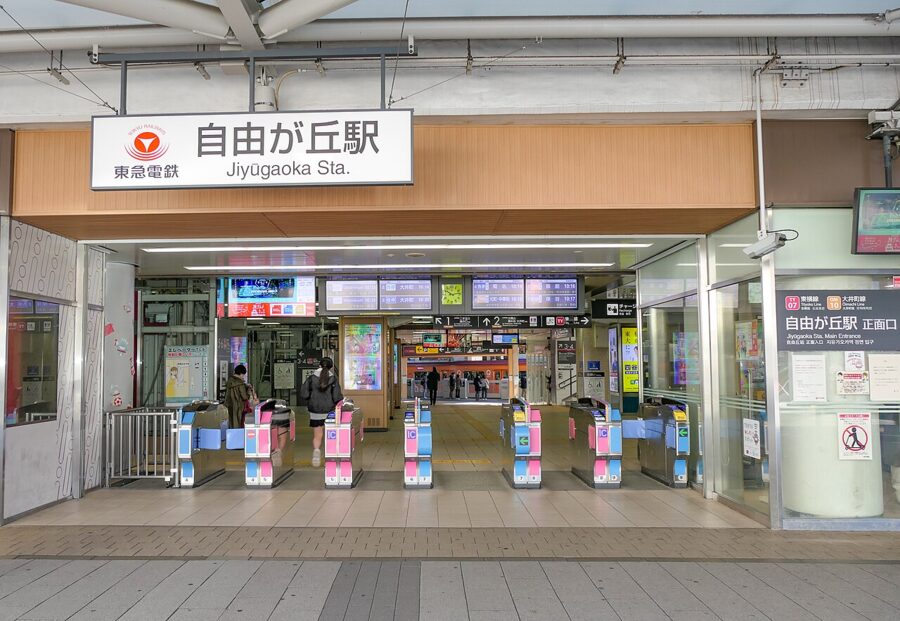
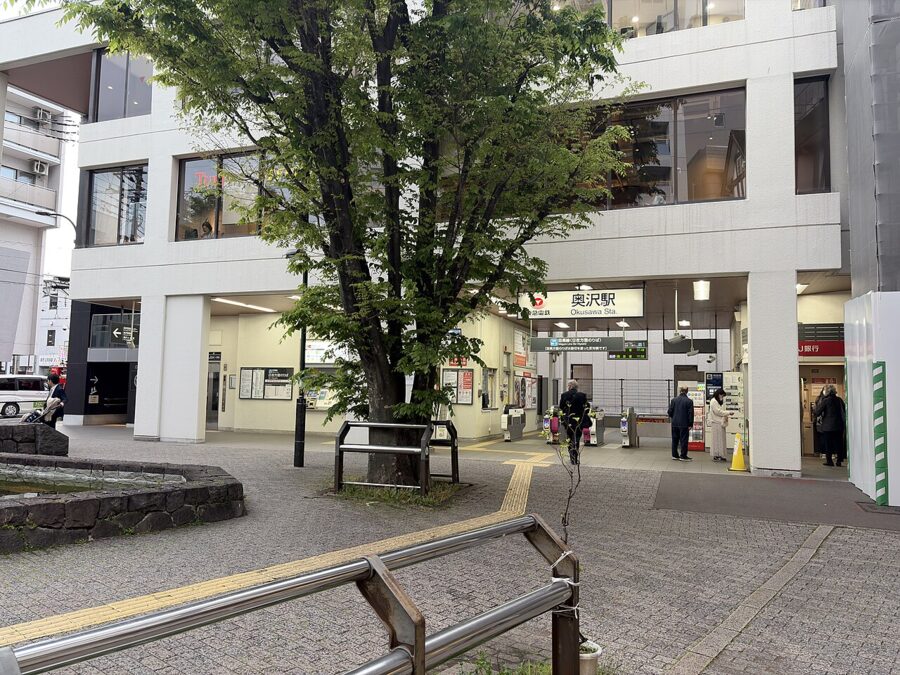
Jiyugaoka Station sits where two Tokyu lines cross. The Toyoko Line (station TY07) runs between Shibuya and Yokohama, and many of its trains continue onto the Fukutoshin Line for Shinjuku-sanchome and Ikebukuro. The shopping association gives about eight minutes from Shibuya by express and about seventeen from Yokohama. The IC fare from Shibuya, a 7 km ride, is ¥180 (about $1) on Tokyu’s fare table as of November 2026.
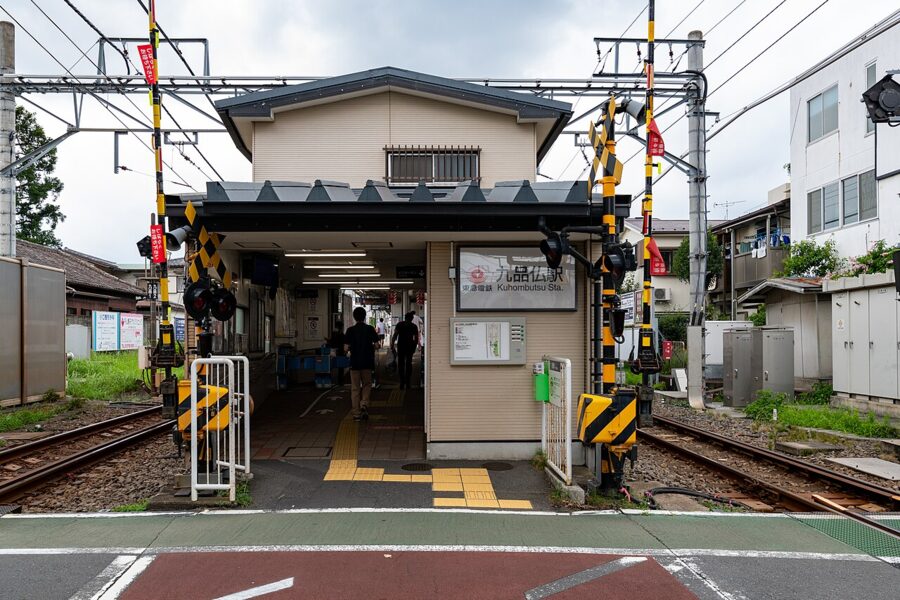
The Oimachi Line (OM10) runs underneath, between Oimachi and Mizonokuchi by way of Futako-Tamagawa. It is the line for Kuhombutsu (one stop west) and Todoroki Valley (three stops west). From Shinagawa, change from the JR Keihin-Tohoku Line at Oimachi; the association puts the trip at about nineteen minutes.
The three exits
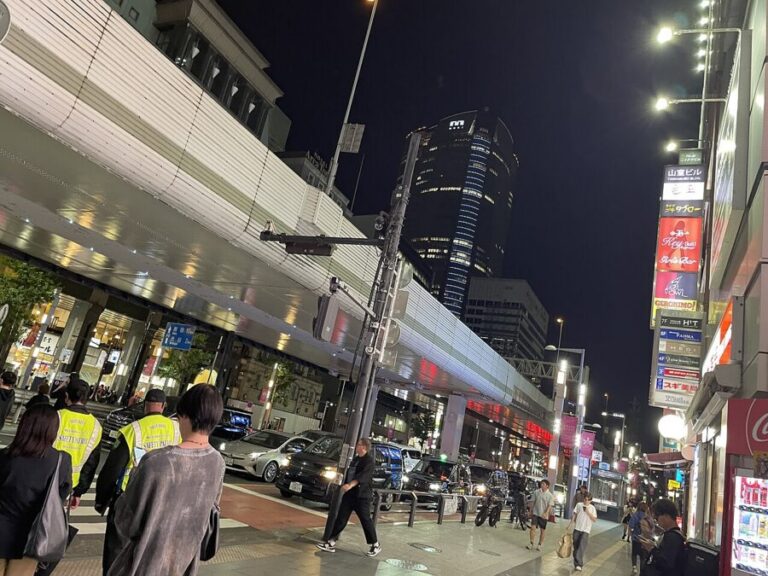
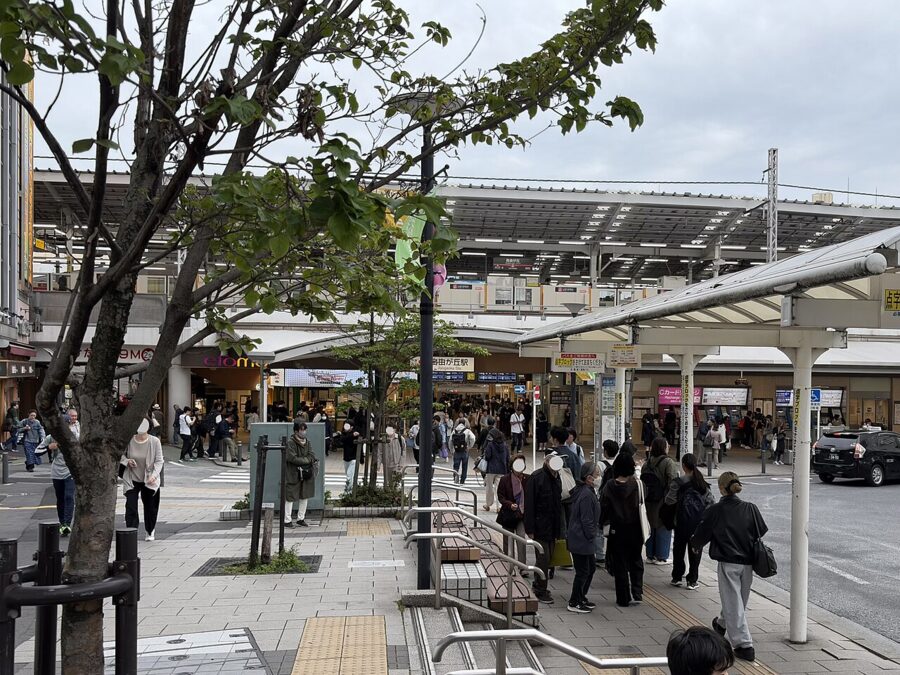
The main exit (shomen-guchi, 正面口) faces the station square, a roundabout with bus stops and the statue of a goddess put up in 1961. Megami-dori, the street named after her, leads away from the square, and the new Jiyugaoka Muse Square stands across from her.
The south exit (minami-guchi, 南口) puts you straight onto Marie Claire street and, one block further, the greenway. It is the exit for Trainchi, Okusawa Shrine and the walk west to Kuhonbutsu. There is also a north exit (kita-guchi, 北口).
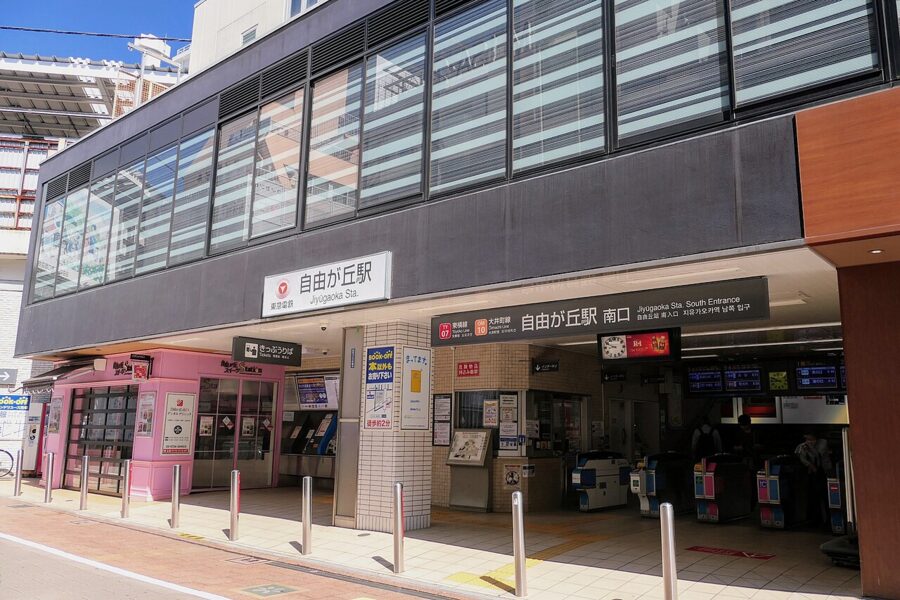
The coin lockers at the south exit (beside the Sweets Station shops) take IC cards, contactless credit cards or QR codes, and those at the north exit take IC cards only; neither takes cash. There is also a free loop bus, the Thanks Nature Bus, that runs every 30 to 35 minutes on three routes towards Yakumo, Komazawa Park and Sanno Institute of Management; it runs on recycled tempura oil and skips some days, so check the timetable on the shopping association’s site first.
The streets, one by one
The shopping district is a federation of twelve shopping streets, run together since 1963 by the Jiyugaoka Shopping Street Promotion Association, with close to 1,300 member businesses. Each street has its own lamp-post design, which is the easiest way to tell where one ends and the next begins. The station sits in the middle, so you can cover the lot as a figure of eight.
The station square and the old market buildings
The goddess in the roundabout was added in 1961; photos from the late 1950s show the square without her. The October festival is named after her, and so is the biggest building in town.
Jiyugaoka Muse Square opened on 17 September 2026 on the 1-chome 29 block across the square. It is a fifteen-storey tower with 59 shops on six levels from the basement up, and homes above them. The basement holds a Meidi-ya supermarket, the chain’s first in Jiyugaoka, and the top shopping floor has cram schools aimed at families with children. The redevelopment also widened the pavement on Suzukake-dori to six metres and added a children’s space, a shared lounge and an emergency stockpile for the neighbourhood.
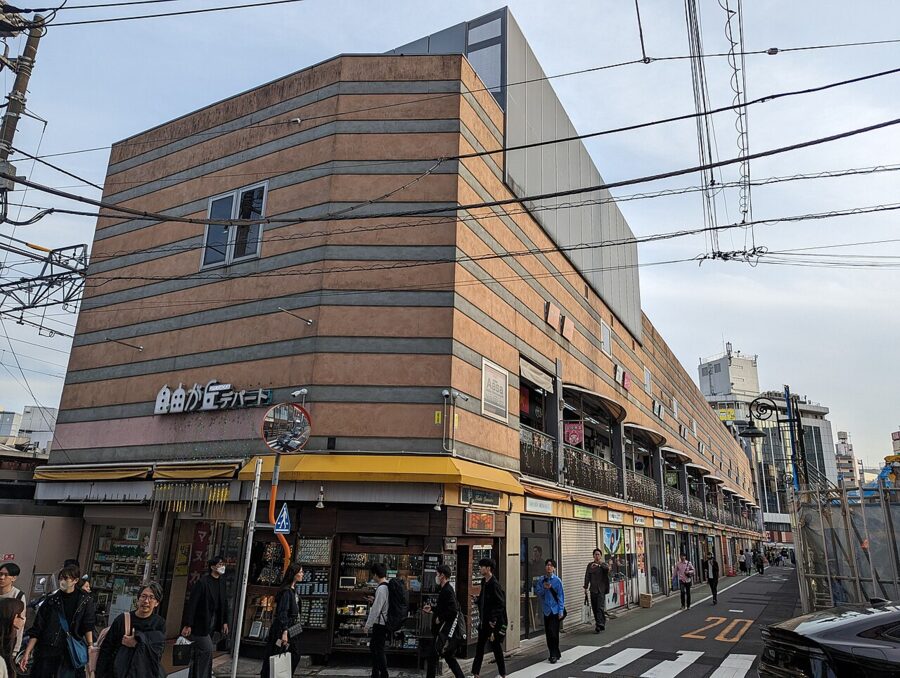
Walk along the tracks and you reach what the new tower has not replaced, at least not yet. The Jiyugaoka Department Store (自由が丘デパート) went up in 1953; in the 1950s it had two floors and a roller-skating rink on the roof, and residents remember the upper floors being added around 1970. The tonkatsu restaurant Ajino Ichiban has been inside since the building opened.
Next to it are Hikari-gai (ひかり街), a row of independent shops dating from 1954, and the Sanriki-kai block. Their owners began studying a rebuild in 2017, with Meguro City backing a planning group since 2021, and the ward lists the station-front district as “under study”, with no plan or date announced as of November 2026. If you want to see them as they are, go soon.
Marie Claire street and the Kuhonbutsu River greenway
Out of the south exit, the stone-paved street running east and west is Marie Claire street (マリ・クレール通り), the main shopping street. The better walk is one block south.
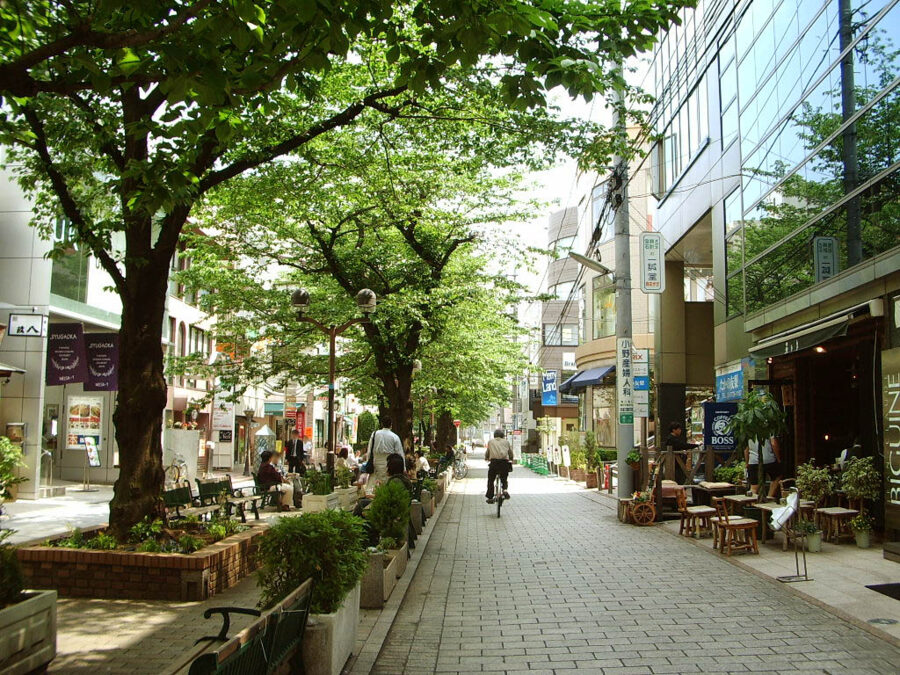
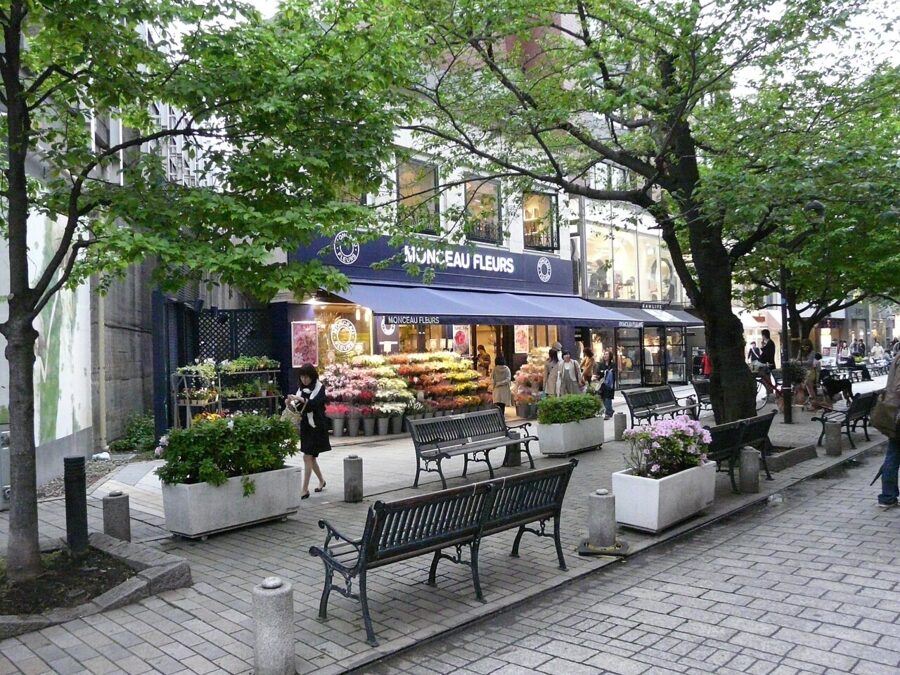
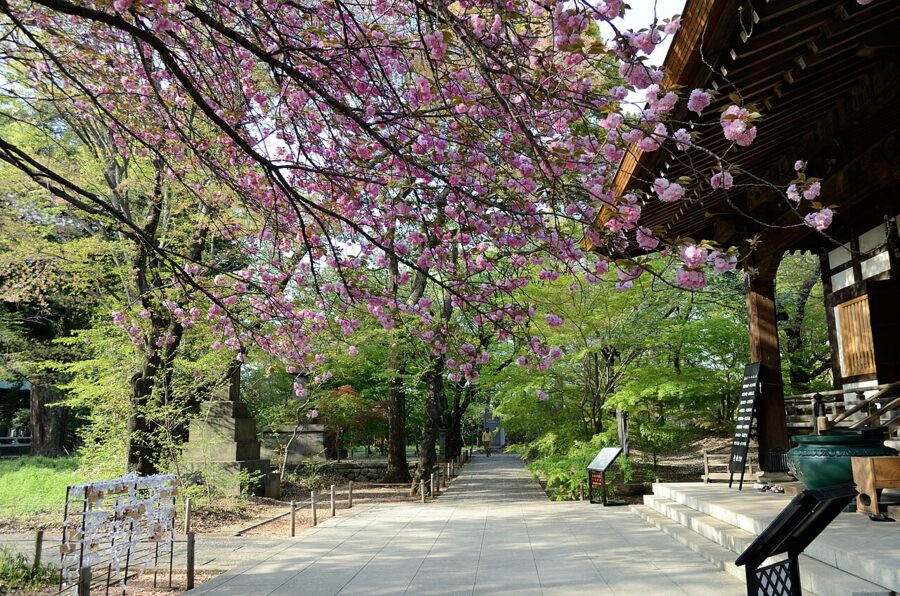
The Kuhonbutsu River greenway (九品仏川緑道) is a long, narrow park laid over a river that was put underground. Cherry trees and benches run down the middle, with shops on both sides, and it carries on west towards Kuhonbutsu. Meguro City’s stated aim for it is to make Jiyugaoka the town in Japan with the most places to sit.
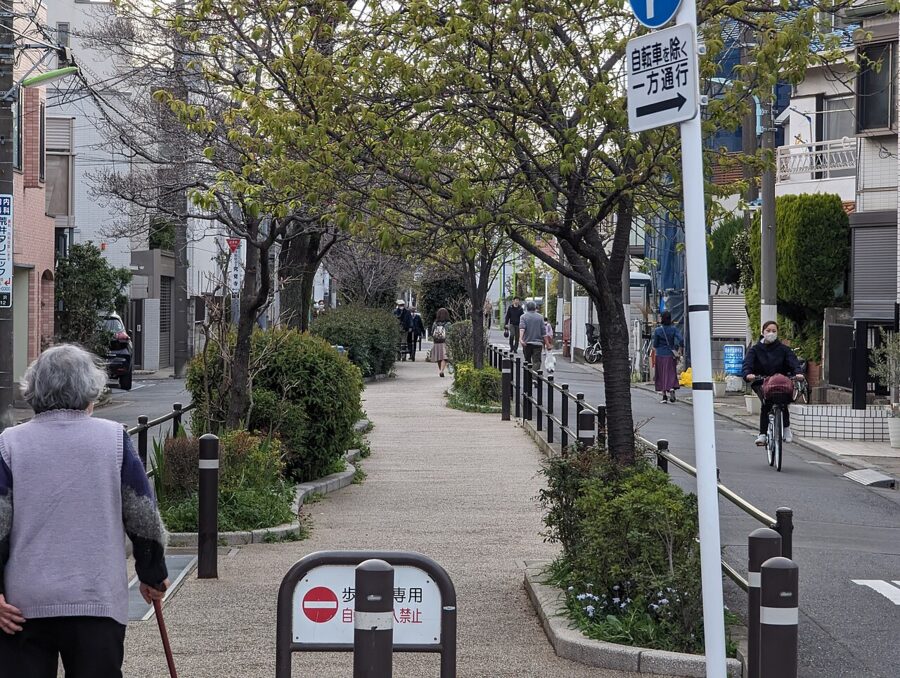
In late March the cherries make this the busiest path in the area, and the shopping streets have held a cherry blossom festival along it. For the rest of the year it is where people sit with a coffee and a pastry from one of the shops on either side. If you are carrying a cake box, this is the place to open it.
Trainchi
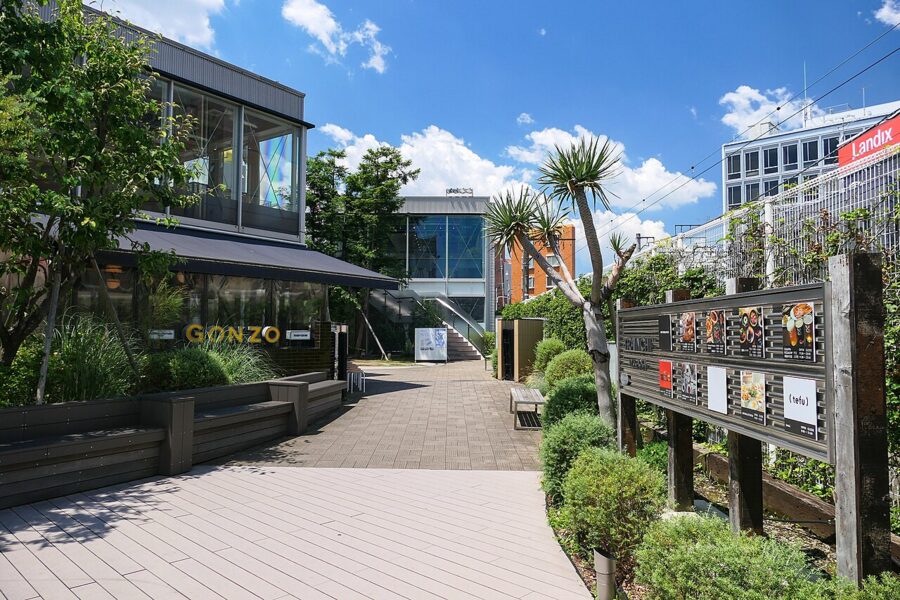
Trainchi Jiyugaoka (トレインチ自由が丘), a minute or two from the south exit, opened in 2006 on the site of an Oimachi Line inspection yard, and Tokyu reused railway parts in its construction. It is a low cluster of shops and cafes around an open courtyard, and its hours vary shop by shop.
Sunset Alley and the interior shops
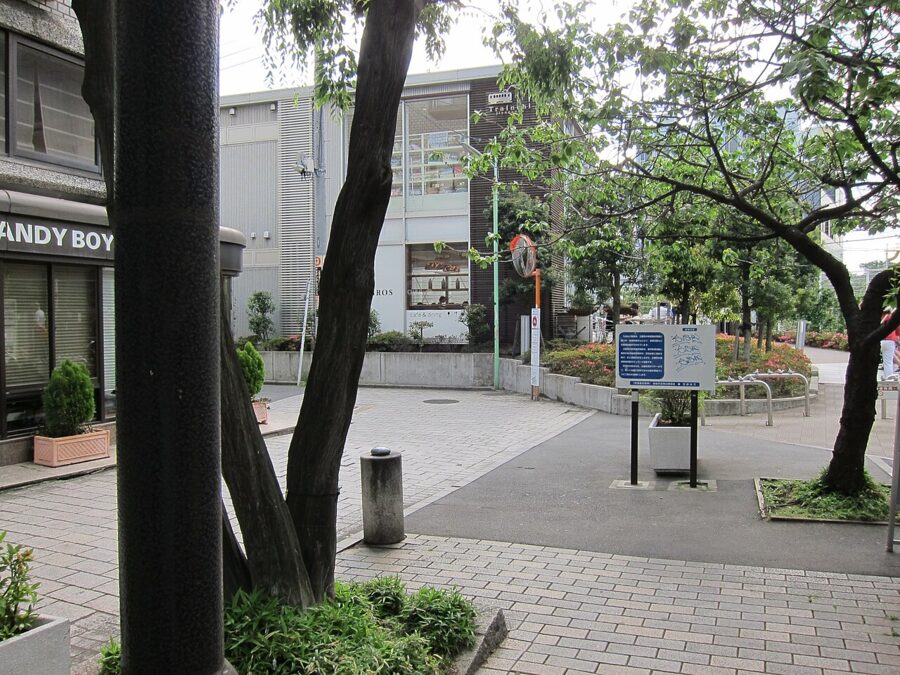
Sunset Alley (サンセットアレイ) is a short lane paved in pinkish Argentine porphyry, with boutiques and a coffee stand about the size of two tatami mats. West of the main exit are the interior shops, among them IDÉE and TODAY’S SPECIAL, which usually open at 11:00.
Keep walking and you reach streets of houses with gardens. Mont St. Clair, the best-known patisserie in town, is in the residential area to the north.
La Vita
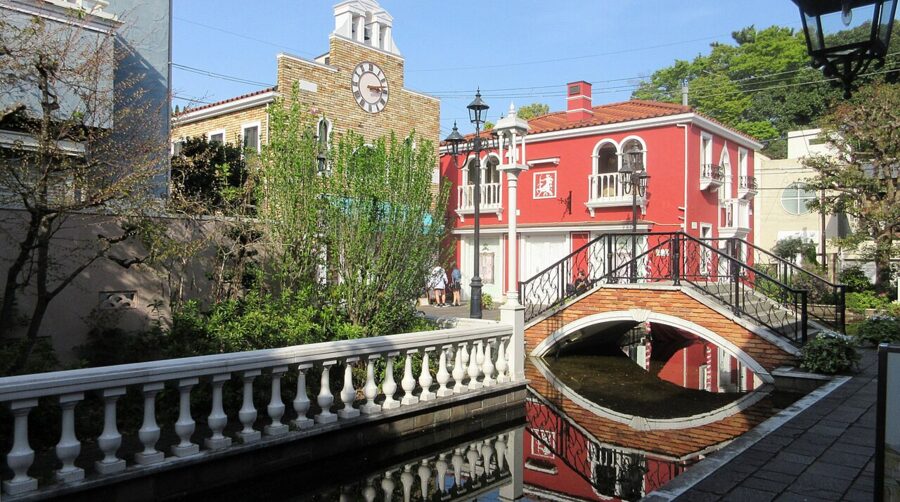
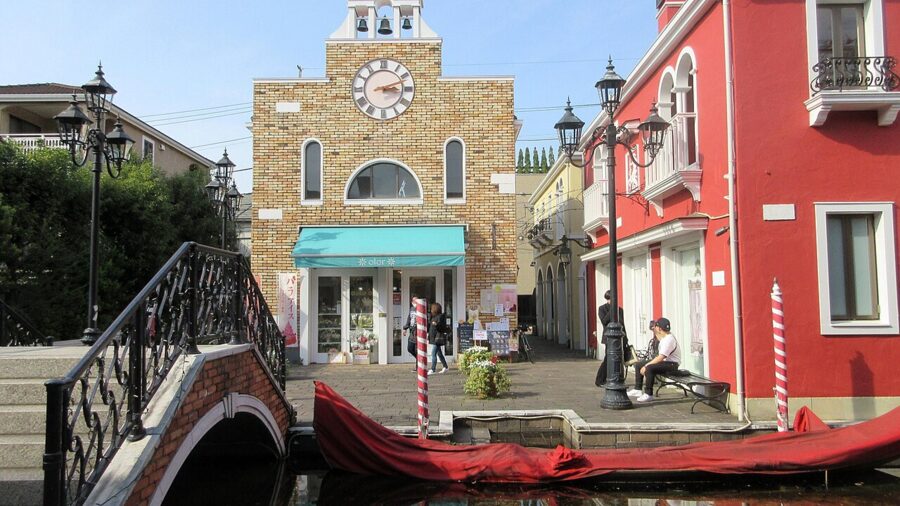
La Vita (ラ・ヴィータ) is the photo everyone takes: a block built to look like a corner of Venice, with a little canal, a brick footbridge and a moored gondola. It takes five minutes, and it works best as a stop between the main exit and Kumano Shrine.
The Tomoe Gakuen memorial
Tomoe Gakuen, the school in Kuroyanagi Tetsuko’s memoir Totto-chan: The Little Girl at the Window, stood in Jiyugaoka from its founding in 1937 until it burned in the air raids of 1945. Its memorial now stands at the entrance to JIYUGAOKA de aone, the building that opened in October 2023 on the site of the old Peacock supermarket. In a town named after a school, it fits.
Sweets, bakeries and cafes
Jiyugaoka’s reputation as a sweets town rests on a handful of shops that have been here for most of a century. Hours below are from the shops’ own sites or listings dated in the last few months.
Mont Blanc: where the Japanese version began
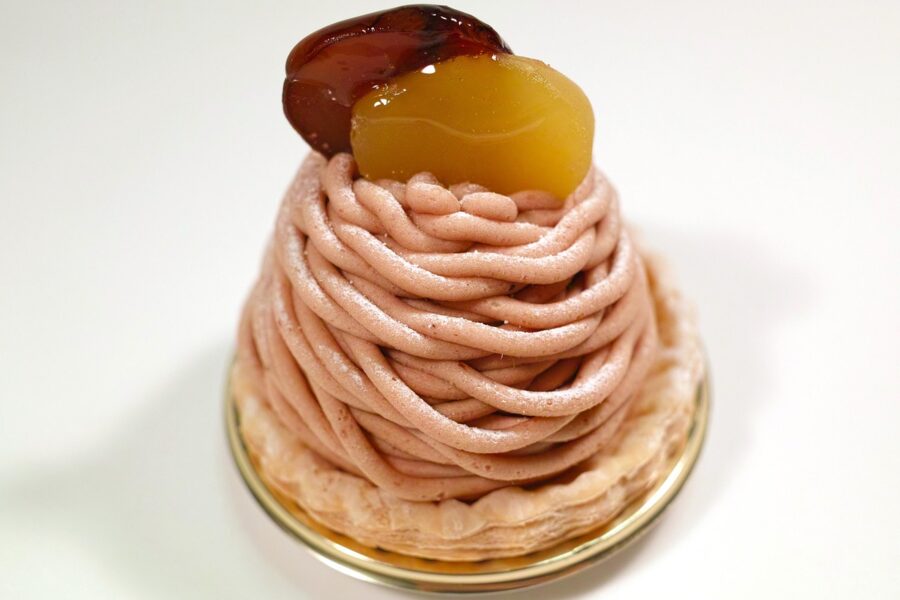
Mont Blanc (モンブラン) opened in 1933. Its founder, Sakoda Chimao, saw the mountain from Chamonix and came home wanting to make a cake that looked like it. The Jiyugaoka Mont Blanc is not the brown chestnut nest you will find in most patisseries: the cream is yellow, made from chestnuts candied in syrup (kuri no kanroni), to stand for the rock of the mountain, with meringue on top for the snow and a castella sponge underneath.
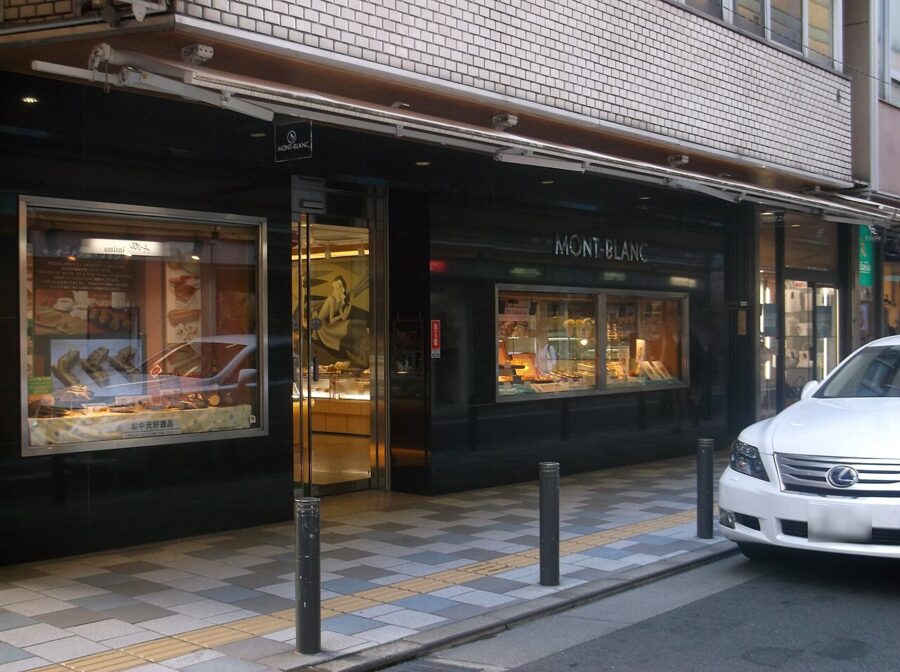
The shop closed for the redevelopment and reopened on the ground floor of Jiyugaoka Muse Square when the building opened in September 2026. A November 2026 listing gives the signature Mont Blanc at ¥977 (about $6), hours of 10:00 to 19:00 with irregular closing days, and an eat-in salon hung with paintings by Togo Seiji, a painter the founder knew.
Kameya Mannendo and Nabona
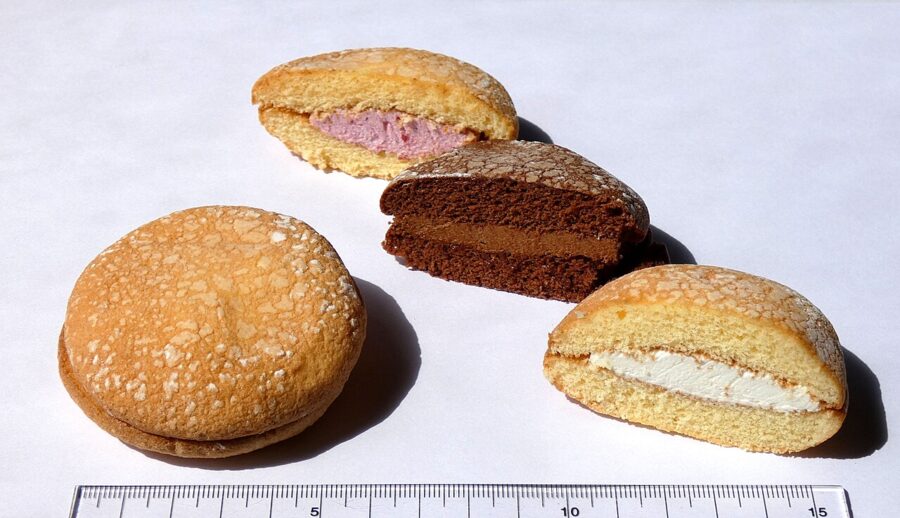
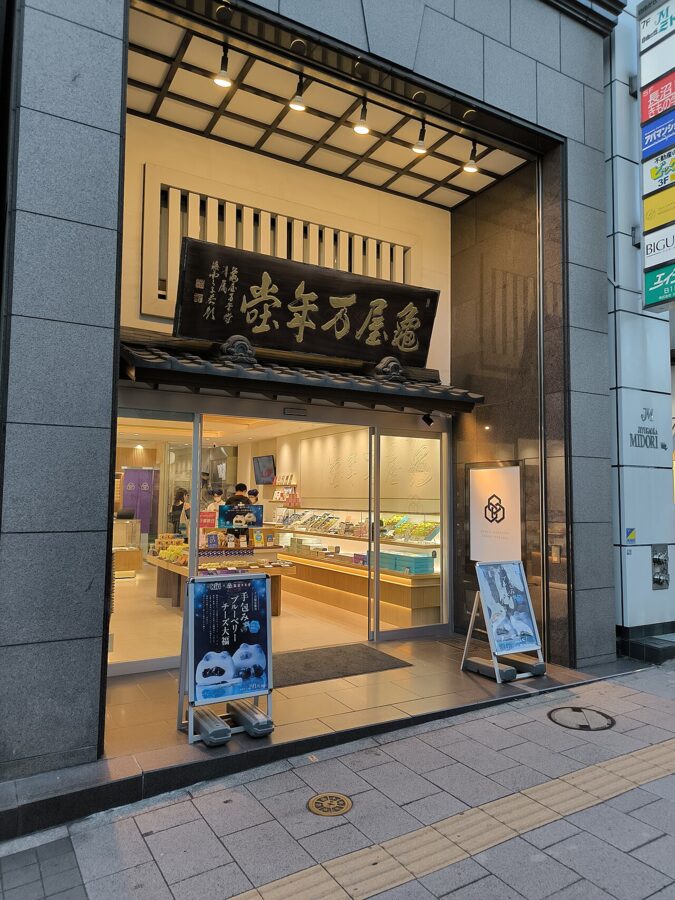
Kameya Mannendo (亀屋万年堂) was founded in Jiyugaoka in 1938 and is best known for Nabona, a soft, cake-like sweet sandwiching a cream filling. A generation of Japanese television viewers know it from the baseball star Oh Sadaharu’s adverts, where it was billed as the home-run king of sweets. The main store at 2-11-5 Jiyugaoka reopened after a major renovation in September 2024 and is open 9:00 to 20:00, and the company reworked the Nabona recipe again in late September 2026.
Mont St. Clair
Mont St. Clair (モンサンクレール) is the patisserie of Tsujiguchi Hironobu, one of the best-known pastry chefs in Japan, set in the residential streets north of the station. As of November 2026 the shop is open 11:00 to 18:00 and closed on Wednesdays. The salon, the sit-down cafe, closes after 30 November 2026 and is expected to reopen around April 2027, so for the winter it is takeaway only.
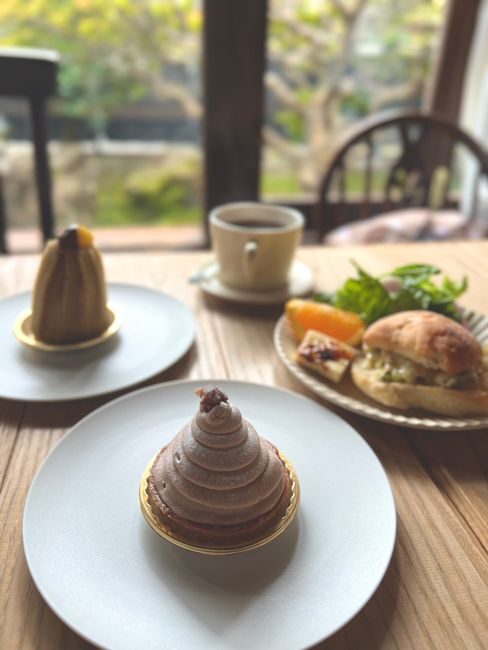
Older names, and a newer one
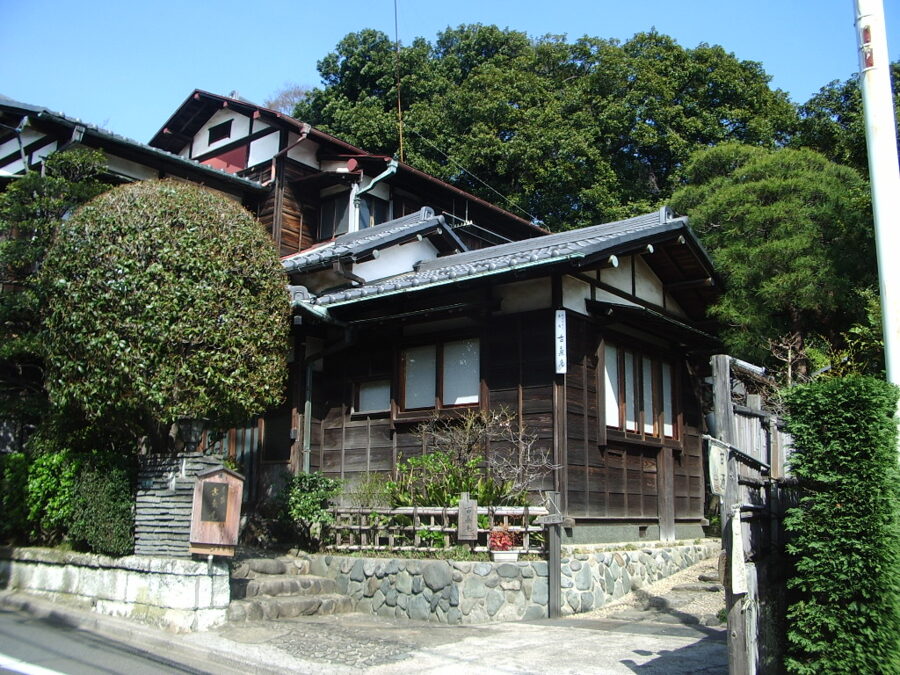
The Dalloyau shop near the station has been here since 1982, when the Paris house opened its Jiyugaoka main store under an agreement with the Japanese confectioner Fujiya. Kosoan (古桑庵), a tea room and gallery in an old house about five minutes from the main exit, serves matcha and seasonal wagashi (Japanese sweets) looking out on a garden; the novelist Matsuoka Yuzuru, a friend of the owner’s family, gave it its name. Check its current hours before you go.
If an older guide sends you to the Jiyugaoka Sweets Forest, the dessert hall south of the station, you are too late: it closed at the end of 2024. Its building reopened on 9 October 2026 as mimimi JIYUGAOKA, about five minutes from the south exit, with four restaurants and an art gallery upstairs and, above them, an aquaponics farm that supplies the kitchens. It is free to walk in.
| Shop | Known for | Hours (as of November 2026) |
|---|---|---|
| Mont Blanc, Muse Square ground floor | The yellow Mont Blanc, ¥977 | 10:00 to 19:00, irregular closures |
| Kameya Mannendo main store, 2-11-5 Jiyugaoka | Nabona and wagashi | 9:00 to 20:00 |
| Mont St. Clair | French pastry; salon shut from 1 December to about April 2027 | 11:00 to 18:00, closed Wednesdays |
| Kosoan, 1-24-23 Jiyugaoka | Matcha and seasonal sweets in an old house | Check before going |
| mimimi JIYUGAOKA | Restaurants, gallery and farm on the old Sweets Forest site | Varies by restaurant |
Every May the shopping streets hold the Jiyugaoka Sweets Festa; in 2026 it ran on 4 May. If you hate queues, that is the day to stay away.
A shrine and a temple within walking distance
Jiyugaoka has one shrine of note, and two more quiet places are just over the ward boundary in Setagaya.
Kumano Shrine
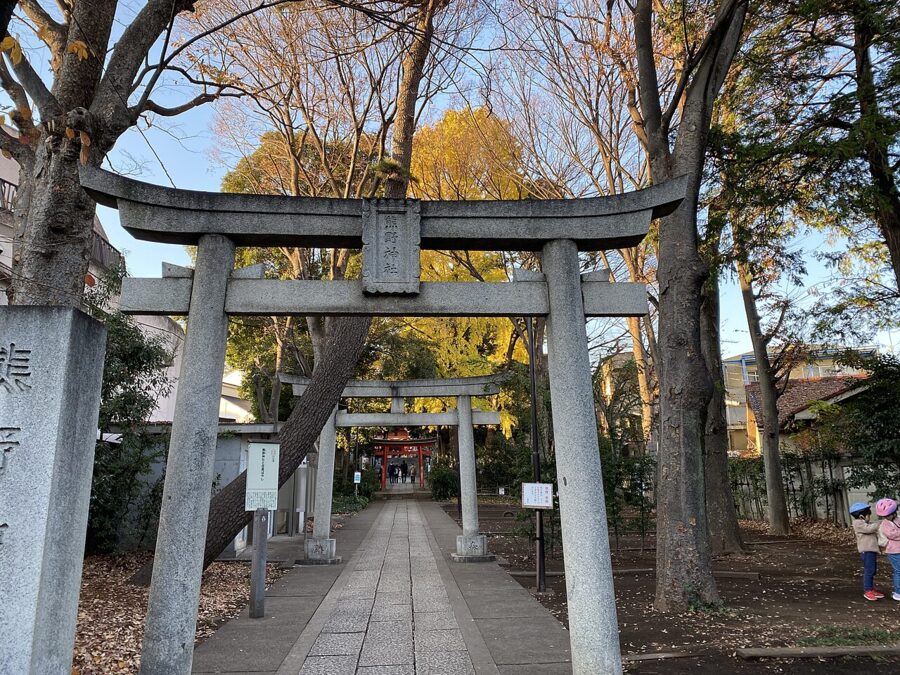
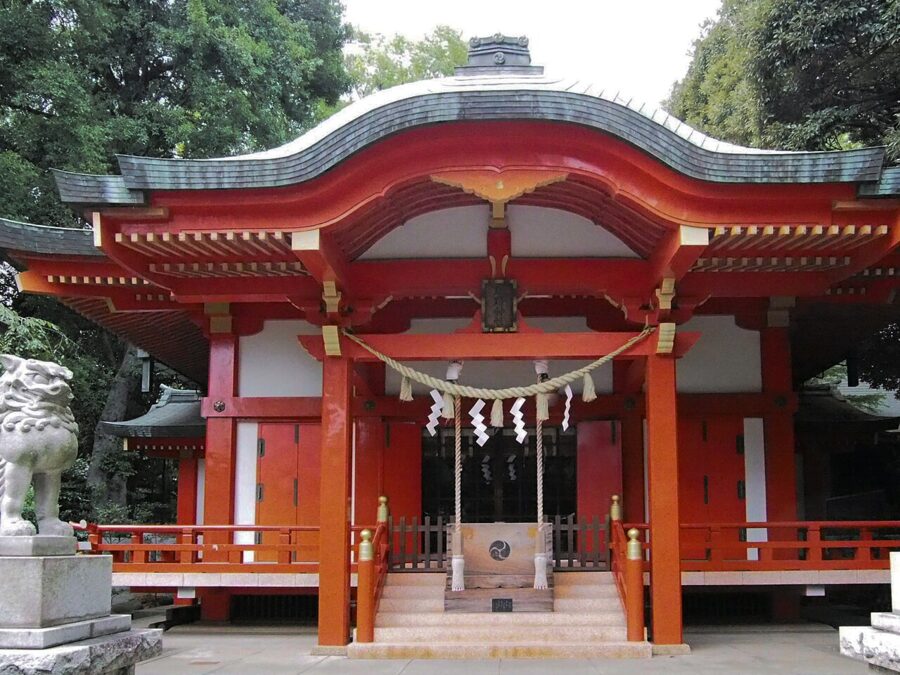
Kumano Shrine (熊野神社) is the local guardian shrine, a few minutes from the main exit on the same block as Kosoan. The shopping association puts its history at more than 800 years. It is small, with a stone torii, a red worship hall and tall trees, and after the shops it is a sudden change of pace.
Okusawa Shrine and its straw serpent
About five minutes from the south exit, over the ward line in Okusawa, is Okusawa Shrine (奥澤神社), and you will know it by the snake. A huge serpent of straw is wound around the torii. As Setagaya City records the story, an epidemic struck the village in the mid-Edo period, the headman dreamed that the god Hachiman told him to parade a straw serpent, and the sickness passed.
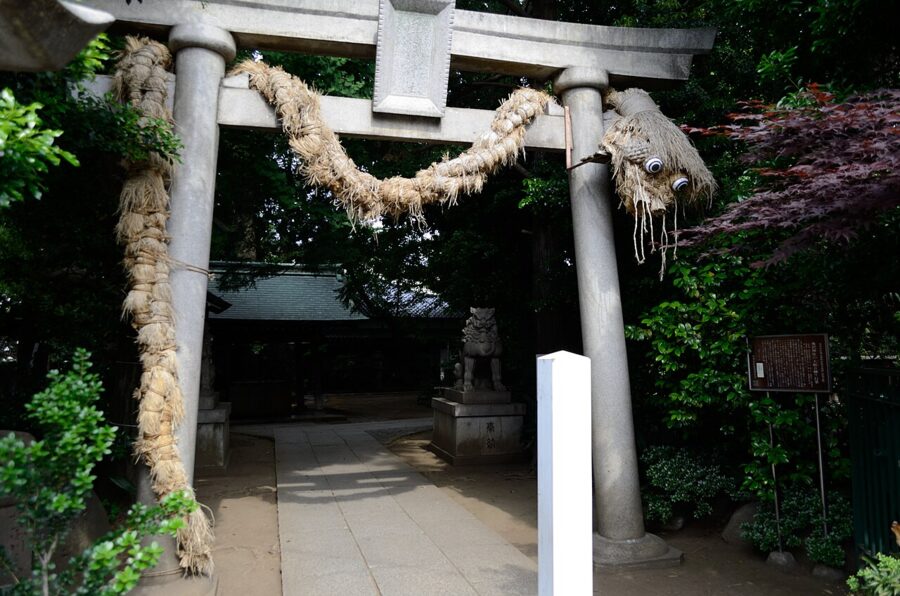
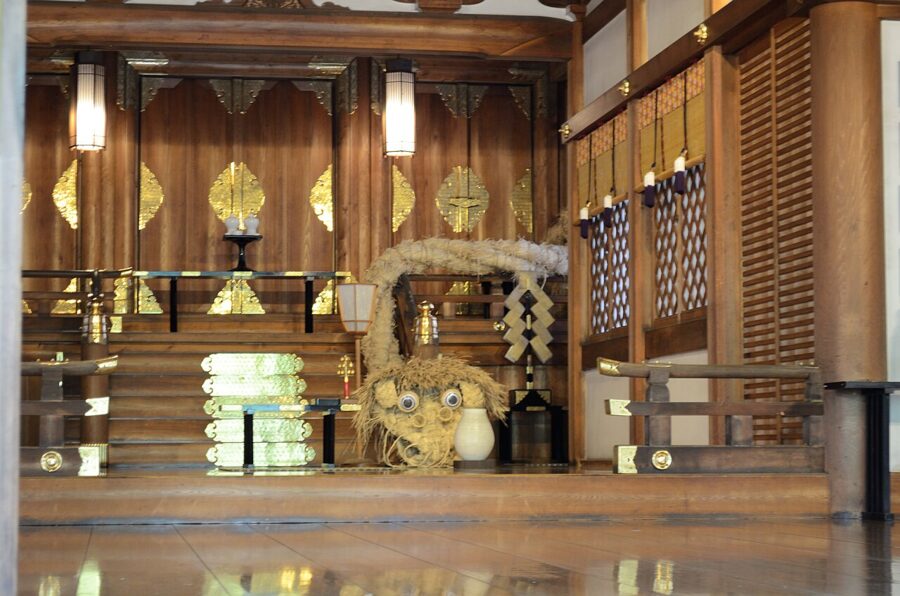
The serpent is remade every year, 9 to 10 metres long and 100 to 150 kg of straw, which now has to come from Nagano because local straw is hard to find. The new one is kept in the worship hall and the previous year’s is wrapped around the torii, a cycle that began for the year of the snake in 1977. On the second Saturday of September it is carried through the streets in the daija oneri (大蛇お練り), designated a Tokyo intangible folk cultural property in 2016.
Next to the shrine is Chanoko Coffee Roastery, a roaster with a coffee counter (10:30 to 19:00 as of February 2026). Also in Okusawa, the chocolatier L’art OKUSAWA has been open since November 2023, from 11:00 to 19:00 (18:00 on Sundays and holidays) and closed on Tuesdays.
Kuhonbutsu Joshinji
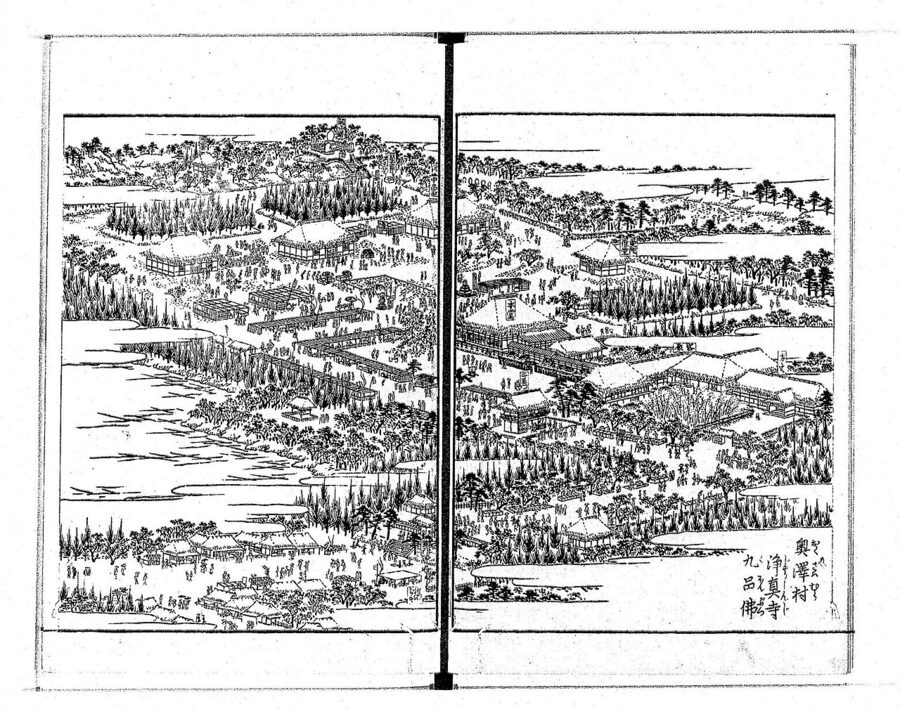
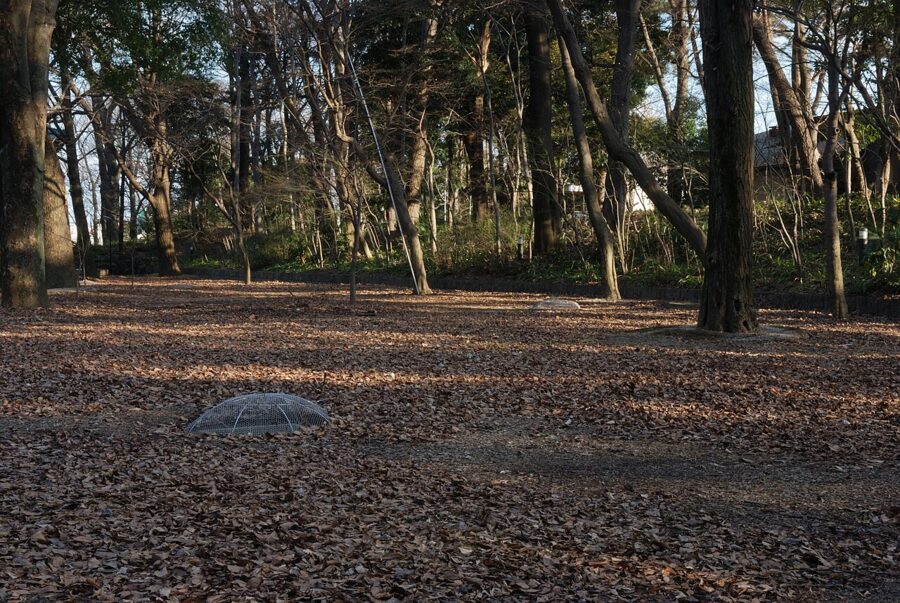
Kuhonbutsu Joshinji (九品仏浄真寺) is the reason to keep walking west. The monk Kaseki founded it in 1678 on the site of Okusawa Castle, and he made the nine statues of Amida that give the area its name: ku-hon-butsu, nine Buddhas, one for each of the nine grades of rebirth in the Pure Land. They sit three to a hall in three halls across the grounds from the main hall: the Jobon-do, Chubon-do and Gebon-do, upper, middle and lower.
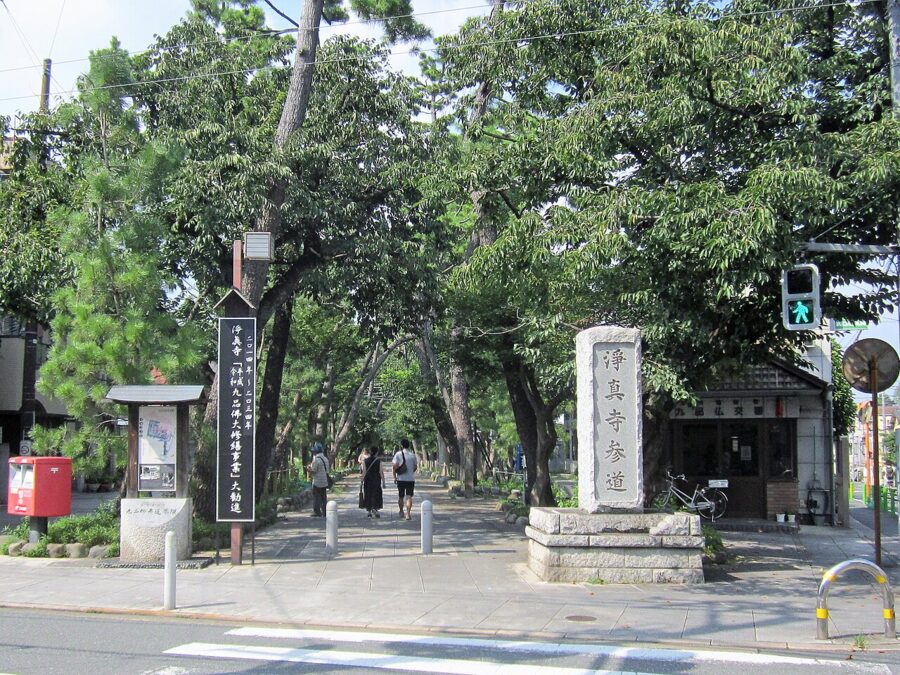
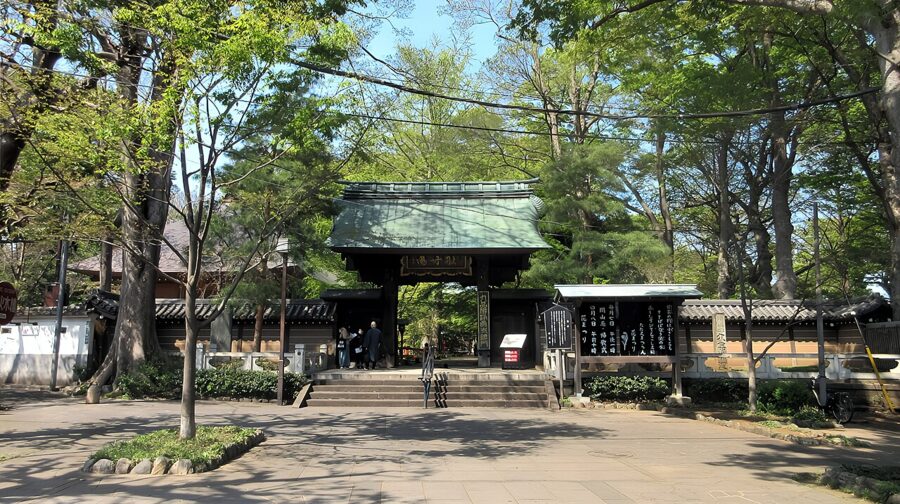
The layout, set out according to a Pure Land sutra, has barely changed since an illustrated guide to Edo printed it in 1836. The gates are open from 6:00 to 16:30, and the temple is about five minutes from Kuhombutsu Station on the Oimachi Line or about fifteen on foot from Jiyugaoka.
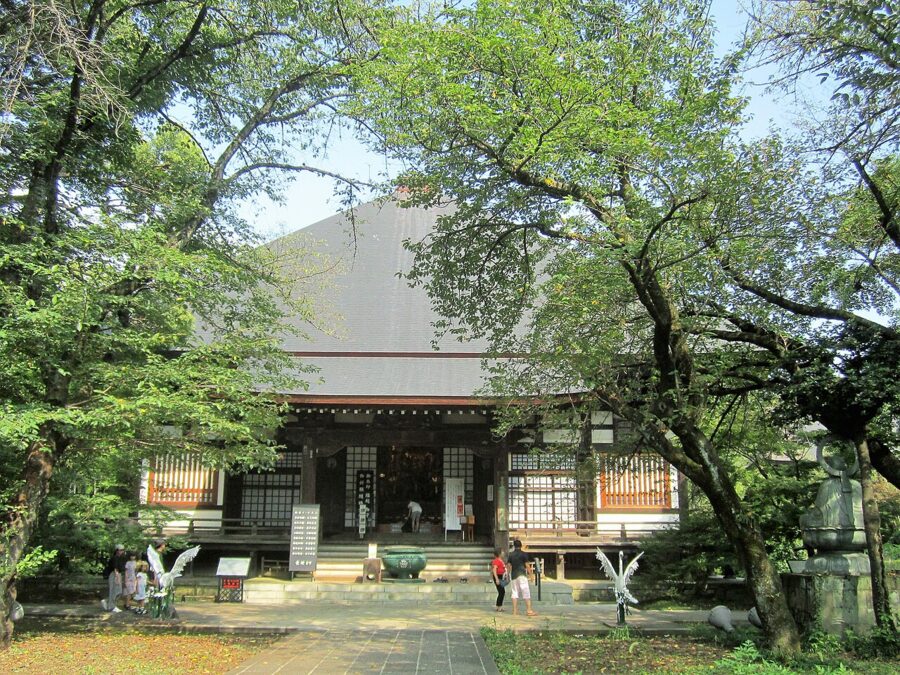
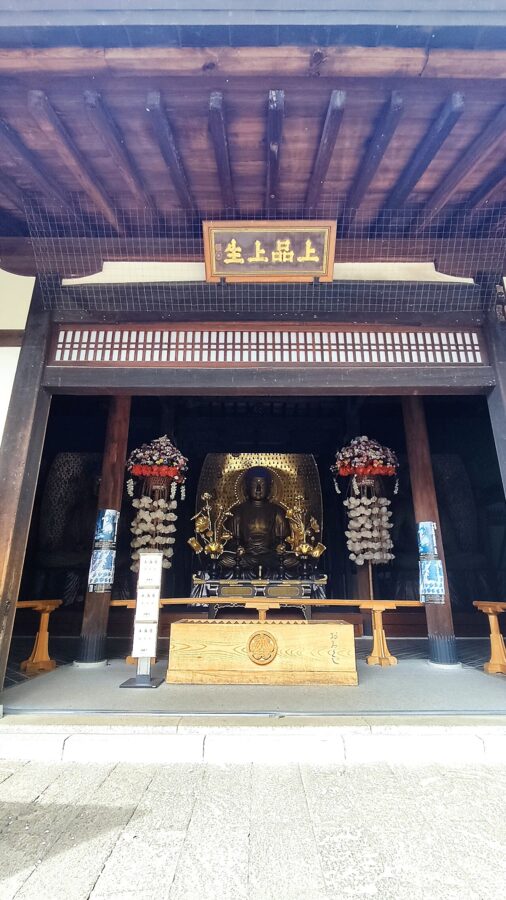
Two dates matter. From 1 to 8 December 2026 the temple restricts visits and some paths for the ceremonies on 6 December at which one head priest retires and the next is installed, and the car park is closed on the 6th. And the famous omen-kaburi (おめんかぶり), a procession of twenty-five masked bodhisattvas, now takes place every four years on 5 May. The last was in 2024 and the next is due in 2028.
A walking route, with timings
This route takes about five hours with stops, starting at 11:00 when most shops open and ending at the temple before its gates close. Walking time alone is under an hour.
| Time | Stop | Notes |
|---|---|---|
| 11:00 | Main exit, station square, Muse Square | Mont Blanc is on the ground floor |
| 11:30 | Jiyugaoka Department Store and Hikari-gai | Walk through both buildings along the tracks |
| 12:00 | La Vita, then Kumano Shrine | A few minutes apart |
| 12:30 | Lunch near the station | Book at weekends |
| 13:45 | South exit, Marie Claire street, Trainchi | Then out to the greenway |
| 14:30 | Okusawa Shrine | About 5 minutes from the south exit; coffee next door |
| 15:15 | Greenway west to Kuhonbutsu | About 20 minutes at an easy pace |
| 15:45 | Kuhonbutsu Joshinji | Gates close at 16:30 |
| 16:30 | Kuhombutsu Station | One stop back to Jiyugaoka, or walk |
Weekdays are the better choice. The greenway is calm, the cafes have tables, and the temple is quiet. Mont St. Clair’s shop is closed on Wednesdays, so pick another day if it is on your list.
Weekends are a different place. The streets fill from late morning, the best-known cake shops can have queues and sell out later in the day, and lunch is easier with a booking. If a weekend is your only option, I would reverse the route: temple first at 10:00, then the greenway back into town, sweets last.
Festivals worth planning around
On these days you either come for the event or avoid the area.
- Late March: cherry blossom along the greenway.
- Sweets Festa, early May: 4 May in 2026.
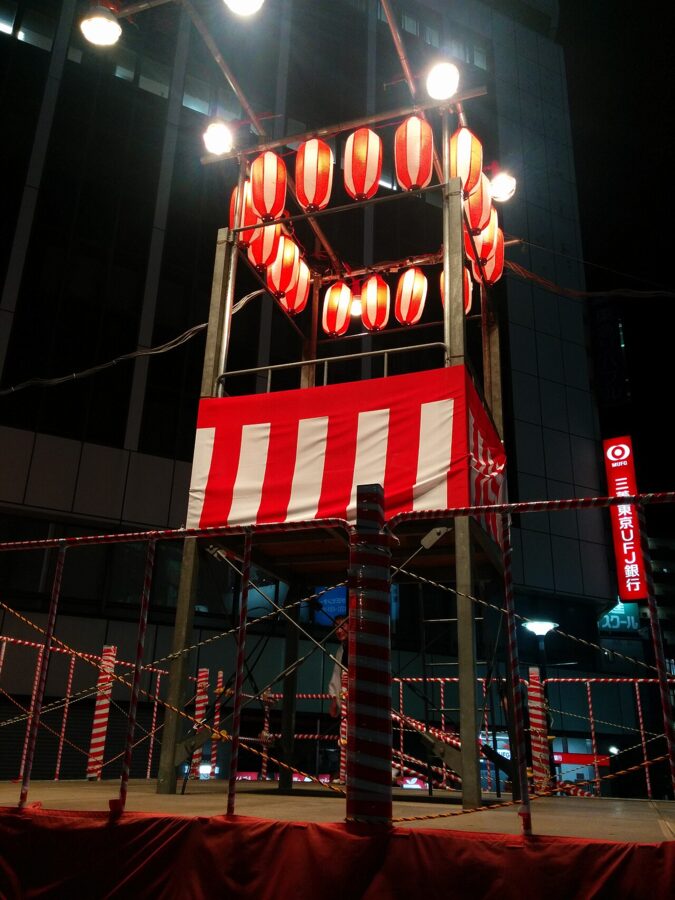
- Bon dance, summer: a festival tower goes up in the station square.
- Okusawa Shrine’s serpent procession: the second Saturday of September.
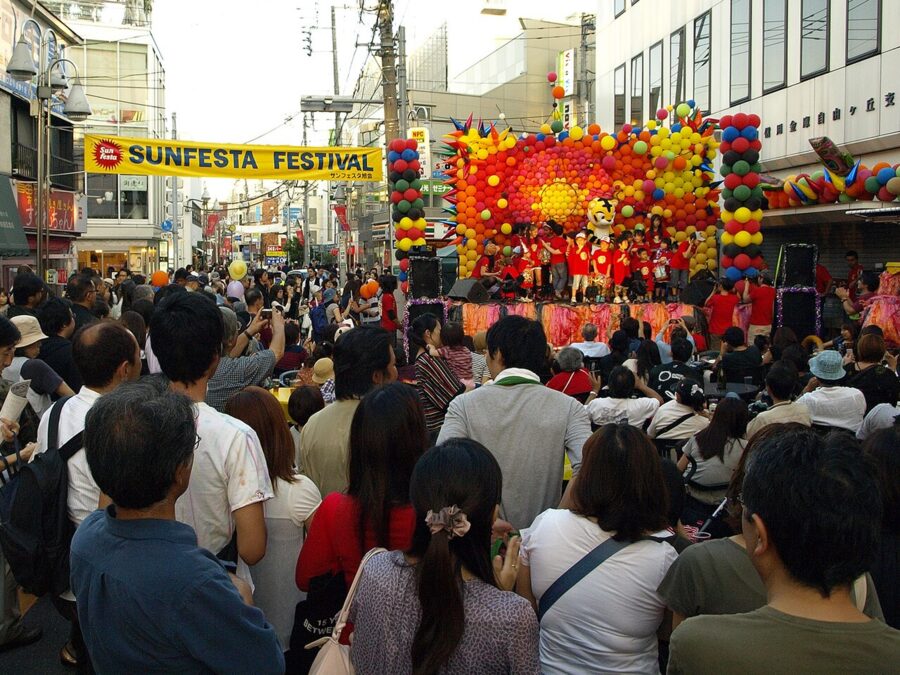
- Megami Matsuri (the Goddess Festival): the 52nd ran on 11 and 12 October 2026, 13:00 to 20:30, with stages around the station square. The shopping association says it draws hundreds of thousands of people.
- Halloween: 25 October in 2026, with sweets handed out from 14:00 at the station.
Living nearby
Jiyugaoka is a place people move to on purpose, and the rents show it. A ward boundary also runs through it, which matters once you live here.
Which ward you are in
The station and Jiyugaoka 1-chome to 3-chome are in Meguro City. Walk five minutes south and you are in Okusawa, which is in Setagaya City, as is Kuhonbutsu. Your ward decides where you register your address and which rubbish rules, libraries and sports centres apply to you, so check the address on a listing rather than the station name. Foreign residents must notify the municipal office of their new address within 14 days of moving in, and that means the ward office for the address, not the one nearest the station.
What it costs
Average asking rents on listings for flats near each station, over the three months to November 2026, are below. They are averages across all building ages and distances from the station, so a new building near the ticket gates costs a good deal more.
| Station | 1K | 1LDK | 2LDK |
|---|---|---|---|
| Jiyugaoka | ¥96,500 (about $600) | ¥167,900 (about $1,050) | ¥235,900 (about $1,470) |
| Kuhombutsu | ¥90,400 | ¥163,300 | ¥230,900 |
| Midorigaoka | ¥100,700 | ¥165,000 | ¥235,500 |
| Gakugei-daigaku | ¥97,200 | ¥168,500 | ¥226,000 |
| Den-en-chofu | ¥81,100 | ¥143,600 | ¥217,000 |
| Oyamadai | ¥84,800 | ¥150,300 | ¥204,100 |
A one-room studio averages ¥92,500 (about $580) on the same figures, and a studio or a 1K is what most single people rent here. The spread between neighbouring stations is small. The surprise is Den-en-chofu, one stop south and known for its large houses, where the smaller flats come out cheaper. If the numbers are too high, wards away from the Toyoko Line, such as Suginami, are the usual next look.
The new tower sets a different bar: upper-floor flats in Muse Square were reported in October 2026 at about ¥350,000 a month (about $2,200) for a 1LDK and from ¥650,000 (about $4,100) for a 3LDK.
What the residential streets are like
Once you leave the shopping streets, Jiyugaoka goes quiet fast: detached houses and low-rise flats, gardens and narrow lanes. Supermarkets and clinics are within walking distance of the station, and the Toyoko Line reaches Shibuya or Yokohama without a change.
The drawbacks are the obvious ones: weekend crowds on the shopping streets, small flats for the money near the station, and few houses for rent. If you work near Shibuya or along the Fukutoshin Line, the commute is about as easy as it gets in this part of Tokyo.
The redevelopment, and why it happened
Muse Square is the first of three redevelopment projects Meguro City lists around the station, and it took the landowners about thirteen years. The station-front district is still under study, with talk of wider roads and a new open space, and an east district is planned with plazas and greenery. Neither has a published date as of November 2026.
Behind it is a worry the chair of the redevelopment association put plainly in an October 2026 interview: that Jiyugaoka was sinking relative to the rest of Tokyo. The numbers back him up. In the best-known annual survey of where people in the Tokyo area would most like to live, Jiyugaoka came 13th in 2018 and 37th in 2026, while big terminals such as Omiya and Funabashi climbed. Whether a new tower brings people back is the question the whole town is now waiting to see answered.
Neighbourhoods to pair it with
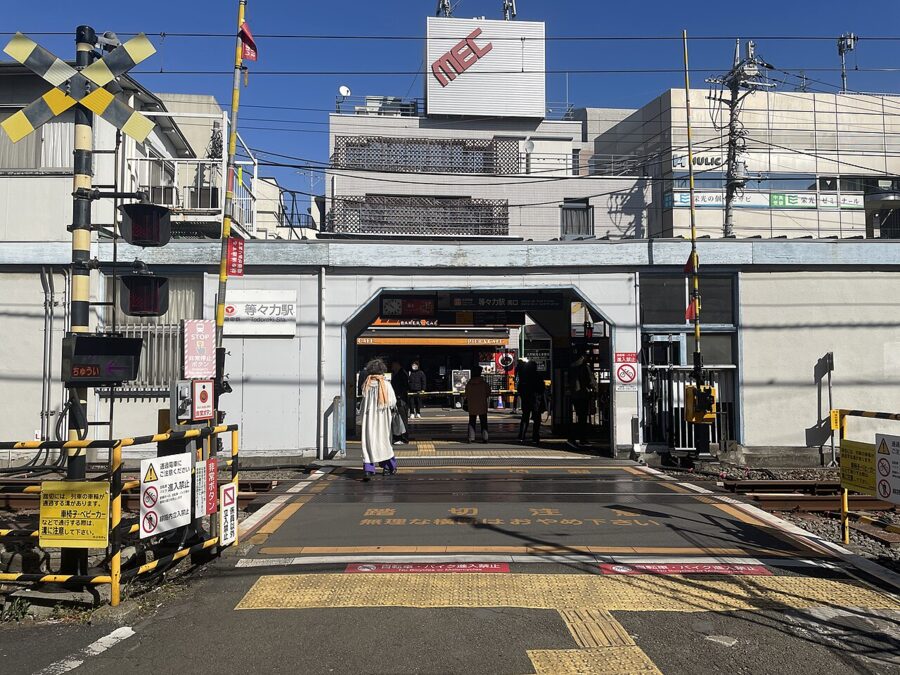
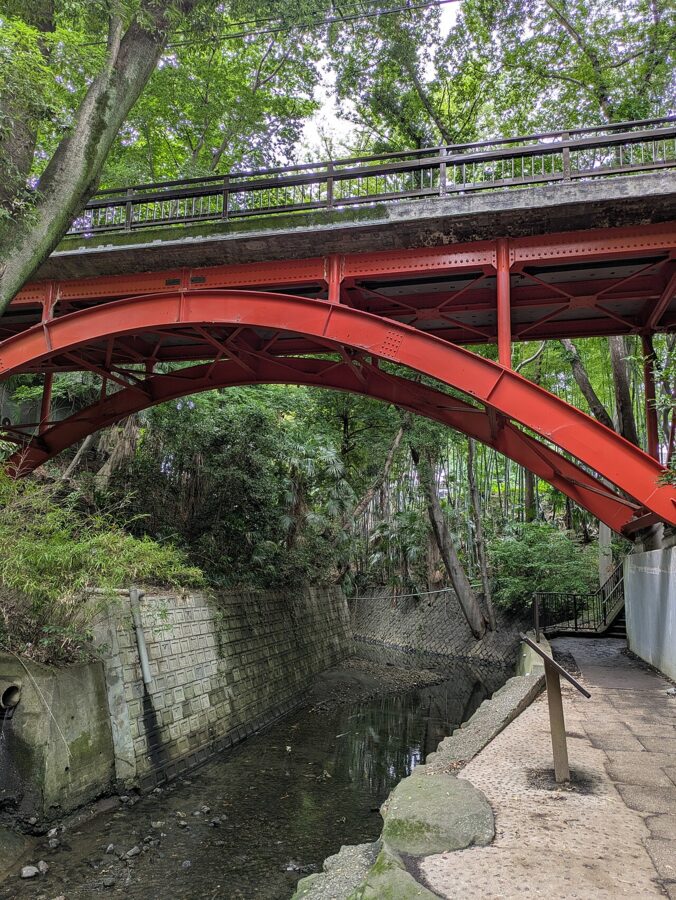
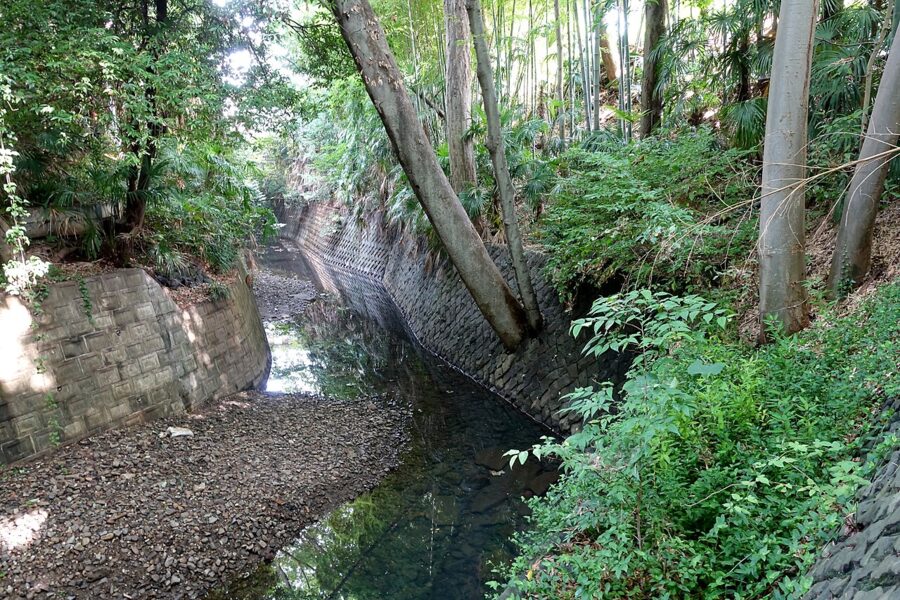
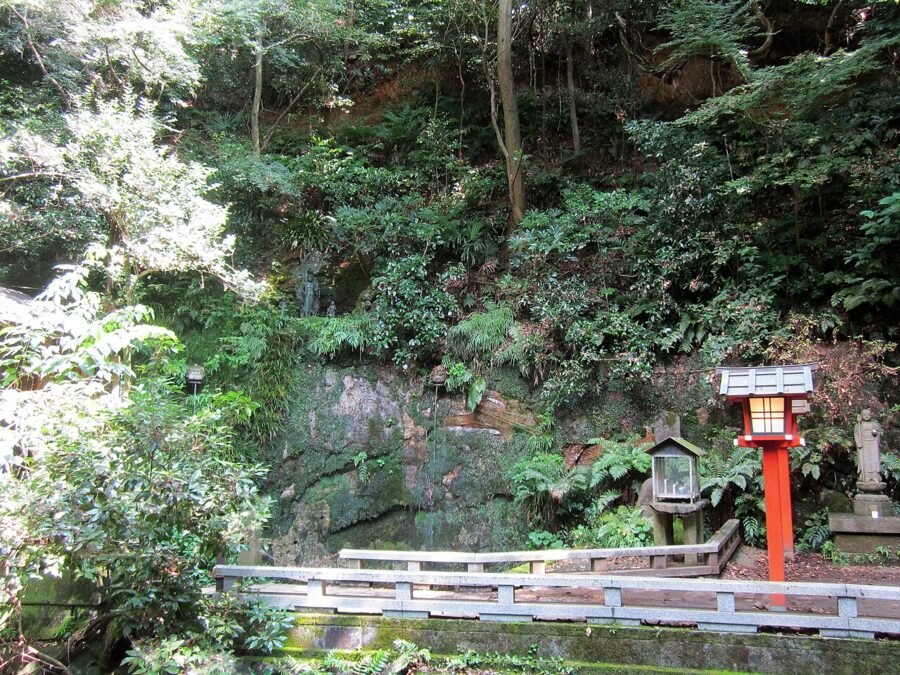
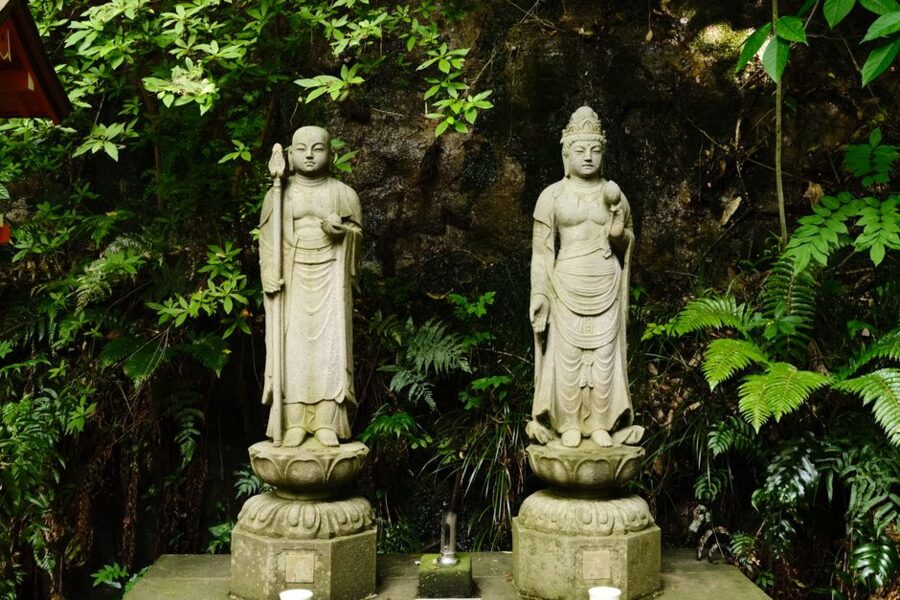
Todoroki Valley is the one I would add first. Three stops west on the Oimachi Line, it is a wooded ravine about a kilometre long with a stream at the bottom, a waterfall, a temple and old tombs cut into the valley sides, and it is the only ravine in Tokyo’s 23 wards. The riverside path was closed after a tree fell in July 2023 and reopened in March 2026.
As of November 2026, Setagaya City lists the park as open 9:00 to 16:30 in November to February and 9:00 to 17:00 in March to October, closed 29 December to 3 January. It is three minutes’ walk from Todoroki Station, and there is no bicycle parking, so take the train.
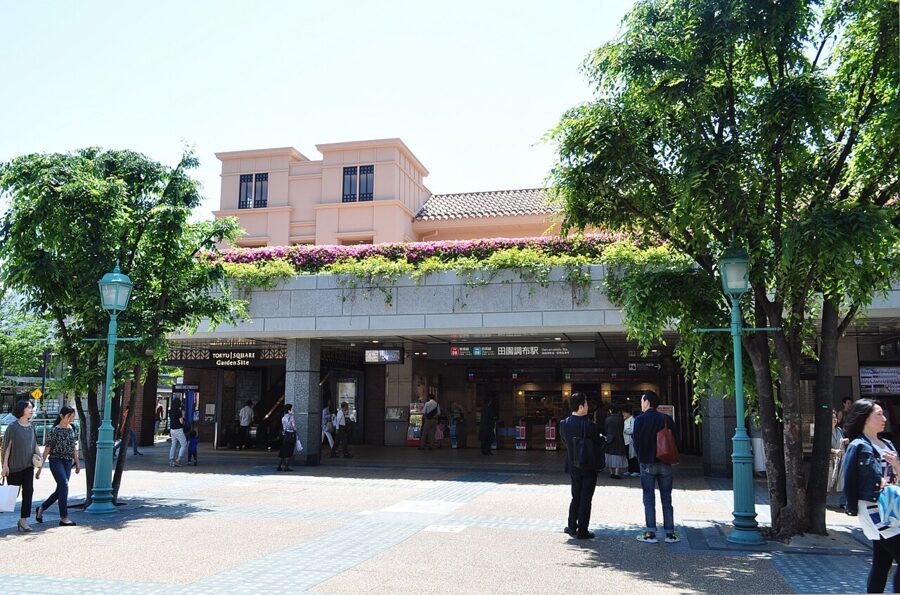
Den-en-chofu is one stop south on the Toyoko Line, a planned garden suburb whose streets fan out from the station. It is a walk for houses and trees rather than shopping, and quieter still than Jiyugaoka.
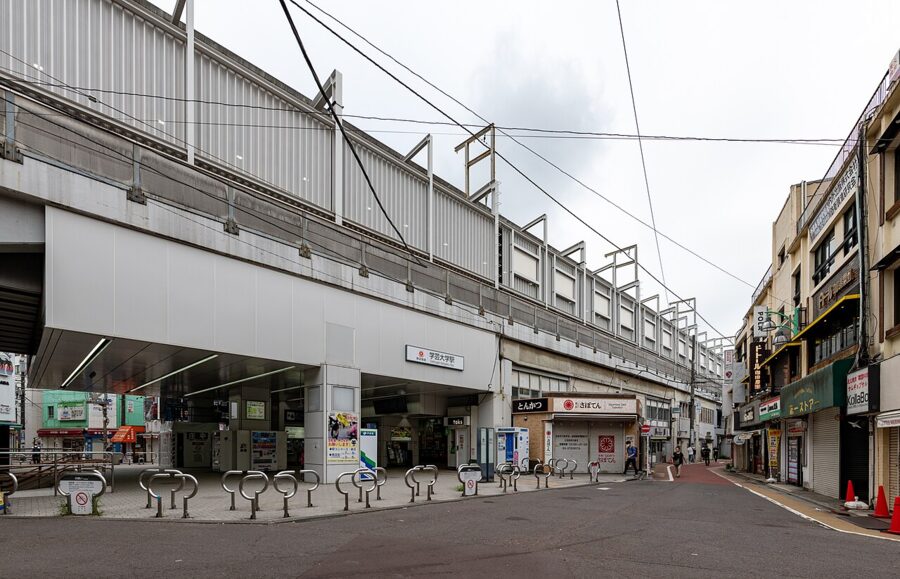
Okusawa and Kuhonbutsu, which you will have seen on the walk, are worth a second look if you are flat-hunting. Gakugei-daigaku and Toritsu-daigaku, towards Shibuya, have their own shopping streets and similar rents, and Futako-Tamagawa, further west on the Oimachi Line, adds a river and large shopping centres.
Finish where the name began. Nearly a century after residents talked the railway out of calling their station Fusuma, the goddess has a new tower opposite her and the old market buildings are waiting for a plan. Walk back to the station along the greenway after five, when the shops are closing and the benches fill up with people who live here.