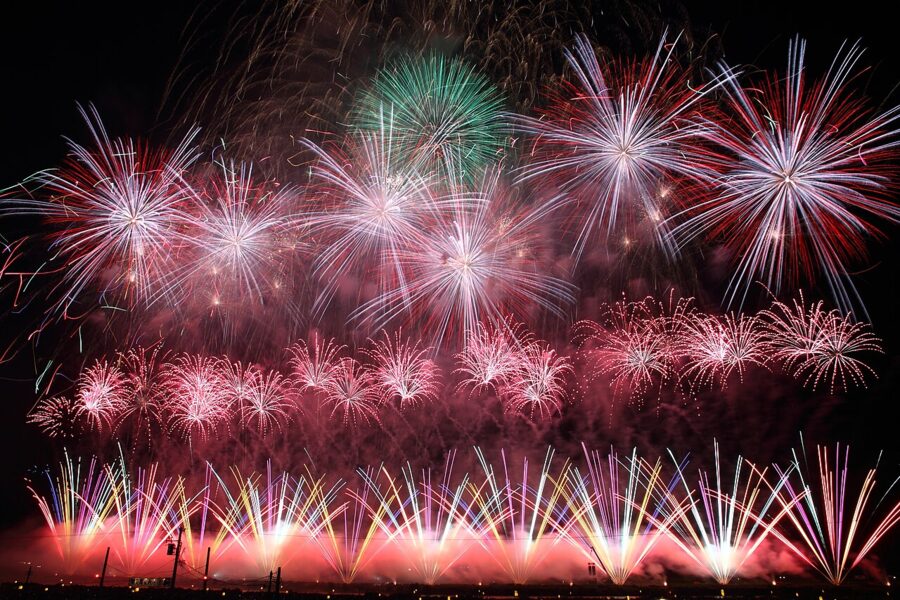
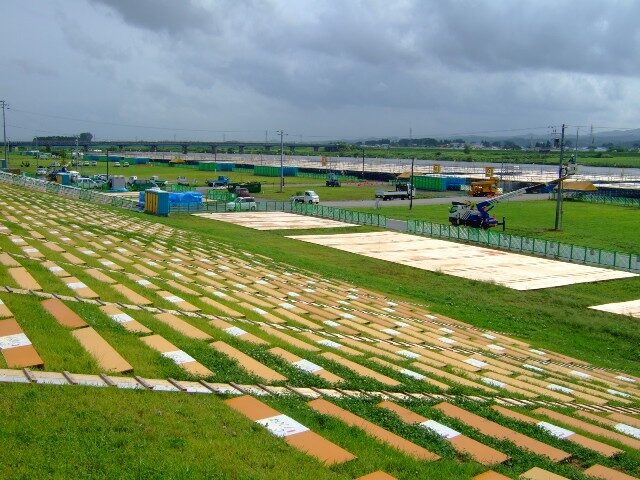
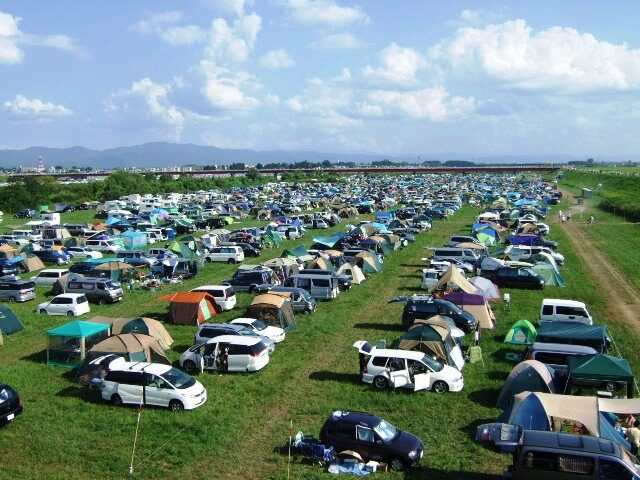
On the last Saturday in August, Daisen, a rice-growing city in Akita with about 71,000 residents, sets out seats for roughly 100,000 people on the banks of the Omono River. In 2026 every one of them sold. The people in those seats have not come for a summer fireworks show of the Tokyo kind, the sort you watch from a crowded bridge with a can of beer. They have come to watch Japan’s fireworks makers compete, shell against shell, for a prize from the Prime Minister.
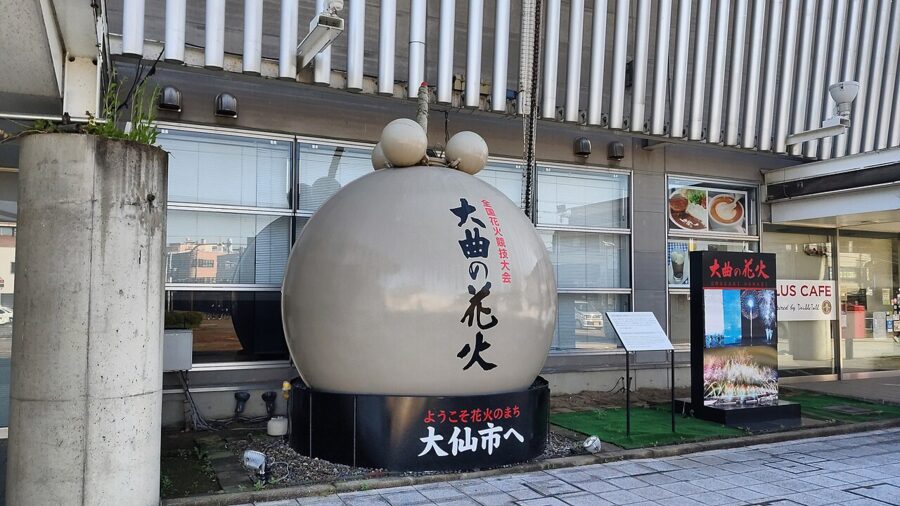
The event is the Zenkoku Hanabi Kyogi Taikai (全国花火競技大会), the National Fireworks Competition, though almost nobody calls it that. It is Omagari no Hanabi, “the Omagari fireworks”, after the old town at the centre of Daisen where it began in 1910. Hanabi means fire flowers, and here they are judged the way a flower show judges roses.
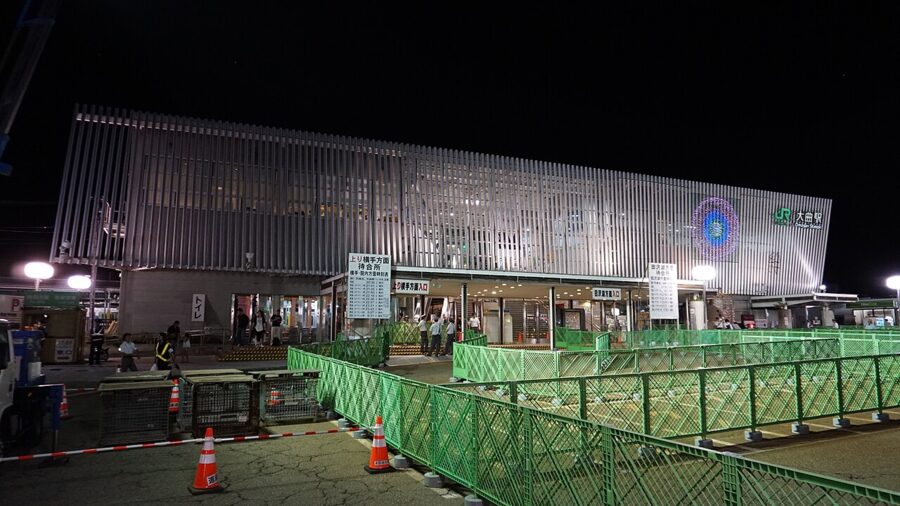
From Tokyo it is a three-hour ride on the Akita Shinkansen, which makes it look easy. It isn’t: the show finishes after the last train that could get you home, every bed in town was booked long ago, and the walk back to the station after the finale is part of the night whether you planned for it or not. A seat is hard to get. A bed is harder.
In this article10 parts
A competition, not a show
The competition started in 1910 as an entertainment at the festival of the local Suwa Shrine, and it has grown into the one event Japan’s fireworks companies care most about winning. Entry is limited to about 30 firms, chosen from across the country. In 2026, the 98th edition, 27 companies from 12 prefectures fired, from Tokyo and Shizuoka to Fukuoka.
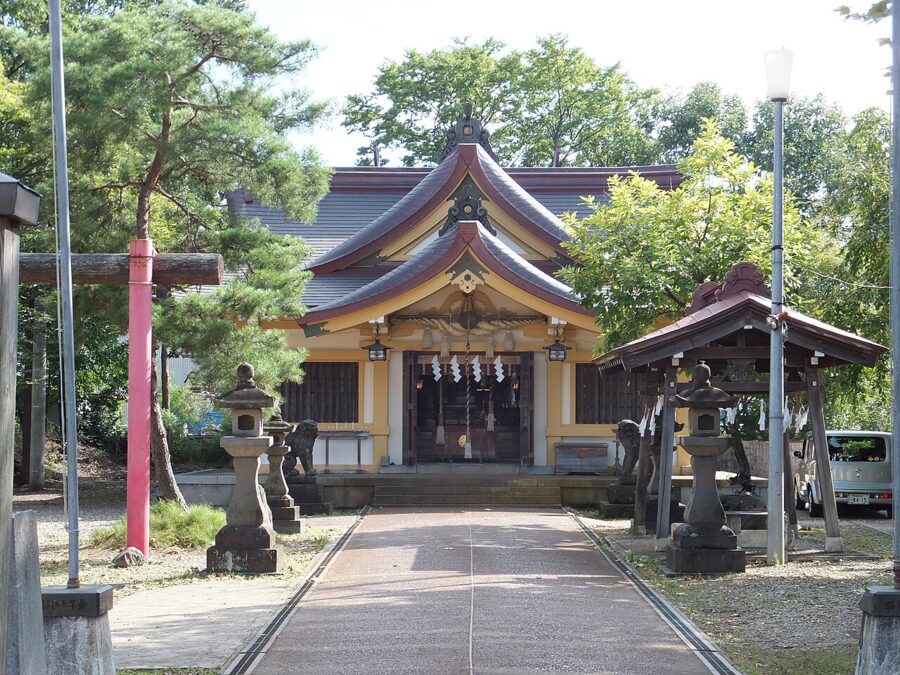
The rule that sets Omagari apart is that the maker fires their own work. The person who built the shell, wherever their workshop is, is the person who launches it from the far bank. The organisers, the Omagari Chamber of Commerce and Daisen City, say there are more prizes here than at any other Japanese competition. The top one is the Prime Minister’s Prize (内閣総理大臣賞), and in 2026 it went to Komatsu Enka Kogyo, an Akita company.
Each company enters every category, so the night has a rhythm: one maker’s entries, a pause, the next maker’s. If you want to enjoy it like a local, keep a scorecard of your own and argue about the result on the walk home.
The daytime fireworks
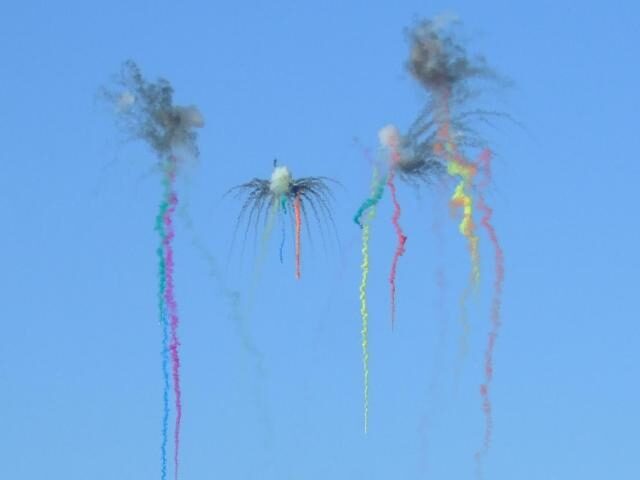
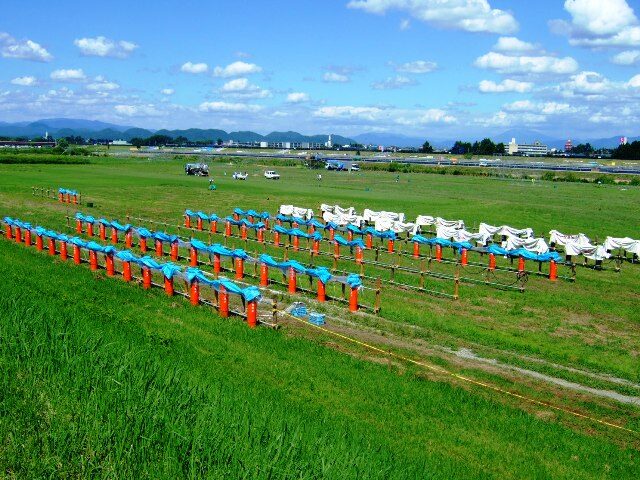
The competition opens before dark with the hiru-hanabi (昼花火), daytime fireworks, which ran from 17:10 to 18:00 in 2026. Each company fires five 5-gou shells, roughly 15cm across, that burst into drifting plumes of coloured smoke. The organisers say it is the only daytime fireworks competition in Japan.
It is quiet, odd and much more interesting than it sounds. A good daytime shell paints a shape in red, yellow and green smoke that holds for a few seconds against the sky before the wind takes it. Arrive in time for it. Plenty of people don’t, and they miss the part of the day no other festival has.
The ten-inch shells
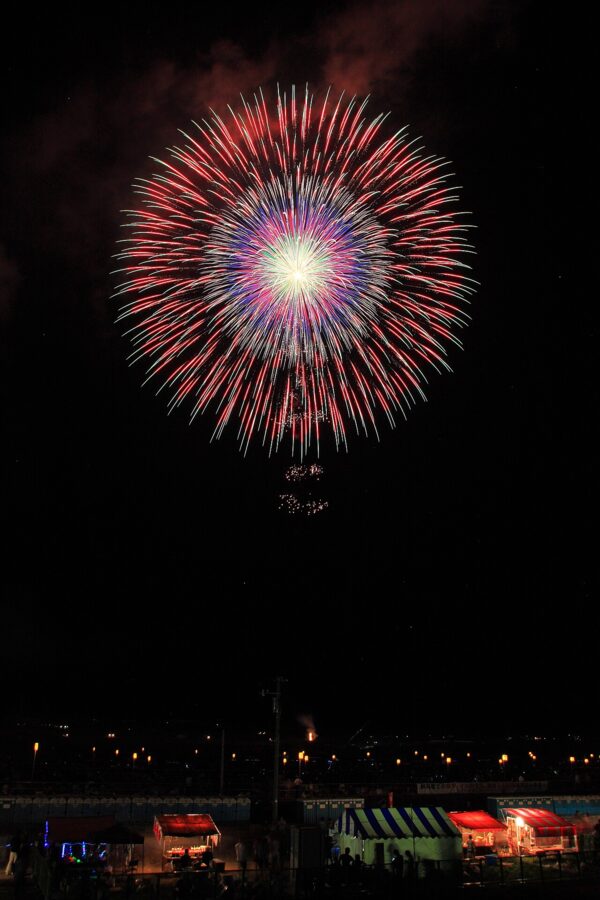
After dark, each company fires two 10-gou shells, about 30cm wide, the classic shakudama. The first is in the shin-iri warimono (芯入割物) category: a round shell with one or more inner cores that should open as perfect concentric spheres. The second is a free-style shell, where the maker can try anything.
A shin-iri shell is where Japanese fireworks craft shows most. What the trained eye watches for is roundness from every angle, rings that sit evenly inside each other, every star changing colour at the same moment and, hardest of all, every star going out together. One lopsided ring or a few stragglers fading late is the difference between a prize and nothing. From a seat on the bank you will start to see it by the fifth or sixth company.
Creative fireworks
The third night category is sozo hanabi (創造花火), creative fireworks, a short programme set to music under a title the maker chooses. Omagari held Japan’s first creative fireworks competition in 1964. Each entry has to say what it means to say within two minutes and thirty seconds.
These are the pieces that get the loudest cheers, and they are the reason the seat matters. The music is played through the venue speakers and the timing is part of the piece. Outside the venue you see the shells; inside, you see what the maker meant.
The organisers’ wide starmine
Between the competing entries come sponsor fireworks and, late in the night, the taikai teikyo hanabi (大会提供花火), the organisers’ own show. Nicknamed the wide starmine, it spreads about 900 metres along the river and is built around a theme and a soundtrack. The organisers call it the peak of creative fireworks, and few in the crowd would argue.
When it is, and where the date is announced
The summer competition is held on the last Saturday of August: 31 August in 2024, 30 August in 2025 and 29 August in 2026. On that pattern the 99th competition would fall on 28 August 2027. As of November 2026 the organisers had not announced the date. Travel agents already list it as “August 2027”, which tells you nothing new.
The official site, omagari-hanabi.com, publishes the date, the programme and the ticket sales windows, and its X account (@HanabiOmagari) carries the same news plus traffic and car park updates on the day. In 2026 the gates opened at about 15:00, the daytime fireworks ran 17:10 to 18:00, and the night programme ran 19:00 to 21:30. About 18,000 shells went up.
The competition goes ahead in light rain. If the weather or the river level forces a postponement, the organisers set the new date once they have checked the venue, and tickets remain valid for it. There are refunds only if the event is cancelled outright.
Tickets: every seat inside is paid
There is no free area inside the venue. Every place on the riverbank is a paid seat, sold in advance, and there are no same-day seat sales for the summer competition. Prices are per seat unit, not per person, so a four-person table costs the same with two of you or four. Children below school age can sit on a parent’s lap without a ticket.
These were the 2026 prices, tax included. Expect the 2027 list to look similar, and check it when sales open.
| Seat (2026) | People | Price |
|---|---|---|
| Platinum pair seat (raised, own toilet) | 2 | ¥70,000 (about $440) |
| Deluxe table seat | 4 | ¥50,000 (about $315) |
| Table seat | 4 | ¥38,000 (about $240) |
| Embankment box seat | 4 | ¥30,000 (about $190) |
| Wheelchair seat (by application) | 4 | ¥28,000 (about $175) |
| Photographer seat A / B / C | 1 | ¥25,000 / ¥18,000 / ¥13,000 (about $160 / $115 / $80) |
| Leisure sheet seat (a marked square of ground) | 4 | ¥15,000 (about $95) |
| Pair seat (bench) | 2 | ¥13,000 (about $80) |
| Chair seat | 1 | ¥8,000 (about $50) |
In 2026 tickets went on sale first come, first served, through Lawson Ticket and e+. The first round ran from 10:00 on 12 June to 23 June, and a second round, for whatever was left, from 21 July to 31 July. Photographer seats were sold through Lawson Ticket only. There was also a direct sale for cash at Hikario Plaza in Omagari on 5 July from 6:30, with numbered places handed out from 6:00, and you could not choose where you sat.
The popular seats go in minutes on the first morning. Have your Lawson Ticket and e+ accounts set up and logged in before 10:00, and decide in advance what you will take if your first choice has gone. Resale is banned, the organisers warn about forged tickets on flea-market apps, and a lost ticket is not reissued.
The other route is a package. The organisers sell seat blocks to travel agencies, and Japanese travel agents bundle a seat with transport and, often, a hotel some distance away. You pay more than face value, but the package solves the return problem below, which is worth something.
Watching without a seat
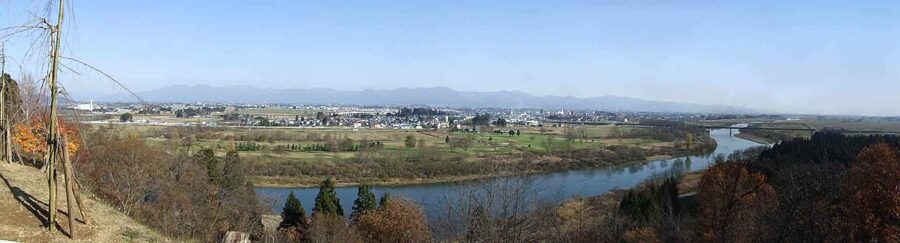
Thousands still come without tickets. The 10-gou shells burst a few hundred metres up and can be seen from much of the town, so you can watch from streets, car parks and riverbanks outside the venue. Some head for higher ground such as Himegami Park, a hill by the Route 13 bypass about 70 metres above sea level.
But I would not make the trip from Tokyo for that. Outside the venue you lose the daytime fireworks, the low starmines and the music that the creative entries are built on, and you hear none of the commentary. You get the big shells and the crowd. If that is what you want, the free Machinaka Fest in town is a better bet: in 2026 it ran on the Friday and Saturday around Maruko Bridge and Hanabi Street, with food stalls, a stage and a short fireworks display at about 20:45 on the Friday night.
Getting there from Tokyo
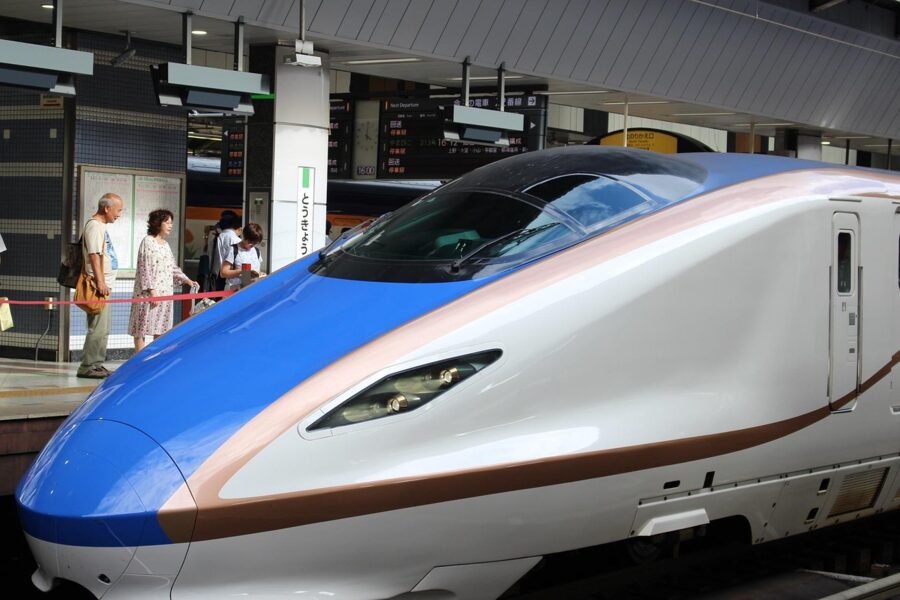
The Akita Shinkansen Komachi runs from Tokyo Station to Omagari in about three hours and ten minutes, with no change. It runs coupled to a Hayabusa as far as Morioka, then splits off and runs on narrower track through the mountains to Kakunodate and Omagari before carrying on to Akita. A reserved seat from Tokyo cost between about ¥17,800 and ¥18,200 (about $115) one way in 2026, depending on the season.
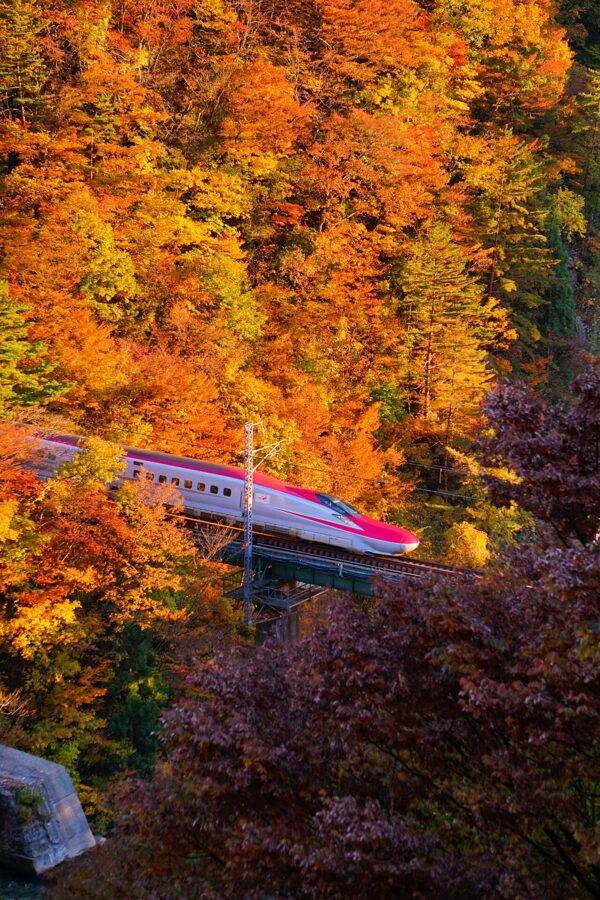
All seats on the Komachi are reserved. Seats open one month ahead at 10:00, and for fireworks weekend you want to book at that moment through Ekinet, JR East’s booking site. The Friday afternoon and Saturday morning trains fill first. In 2026 JR East added extra Komachi into Omagari from Tokyo, Sendai and Morioka on the day, announced in July, so check for them if the regular trains are full.
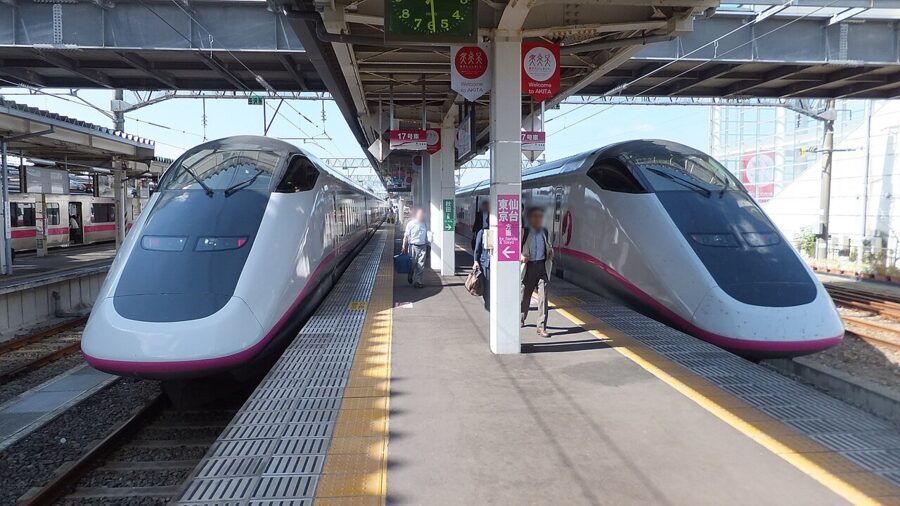
If you need the Friday off for an earlier start, ask your kacho when the date is announced rather than in August. Half your office may have had the same idea.
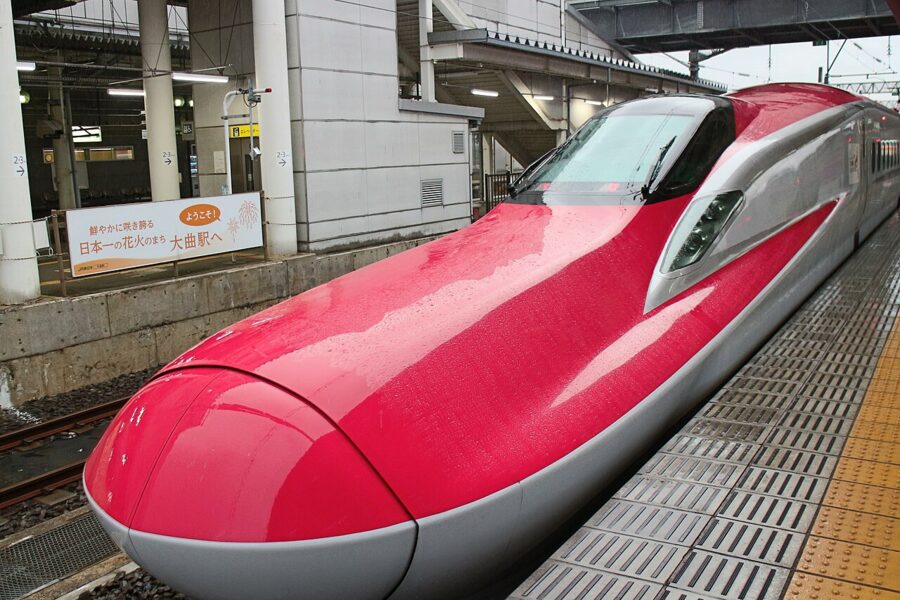
The walk in
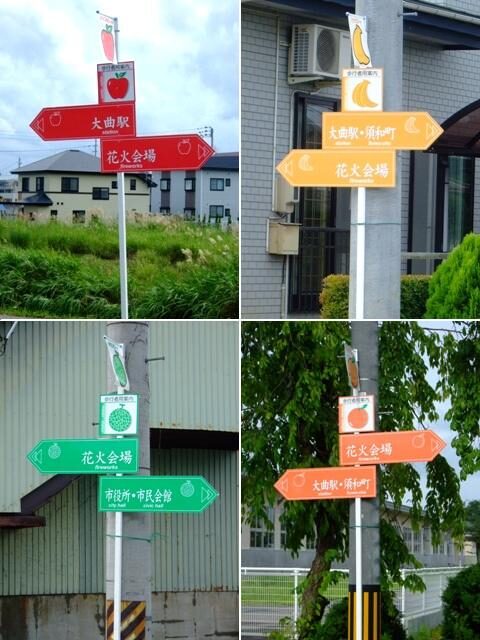
The venue, a riverside park officially called “Omagari no Hanabi” Park, is about 2km from Omagari Station, roughly 30 minutes on foot. The organisers list no shuttle bus, and taxis are no help once the roads close. On the day the streets are signposted with colour-coded routes to each seating block, so find the signs for your block as you leave the station. Daisen City also publishes a Google map of the day’s toilets, convenience stores, car parks and rubbish points; save it before you go.
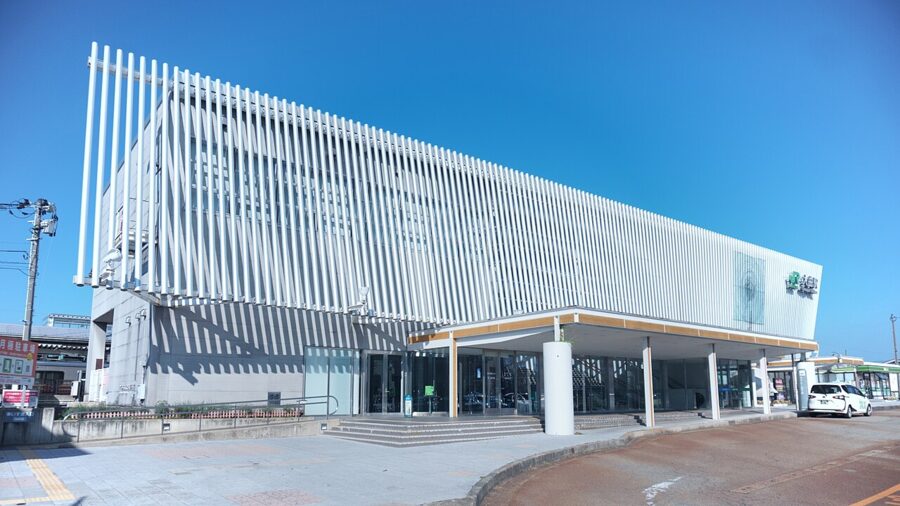
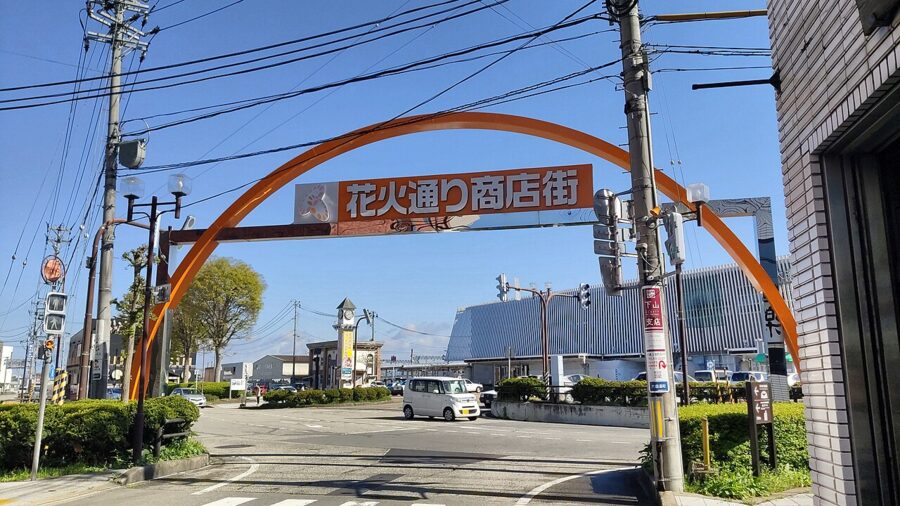
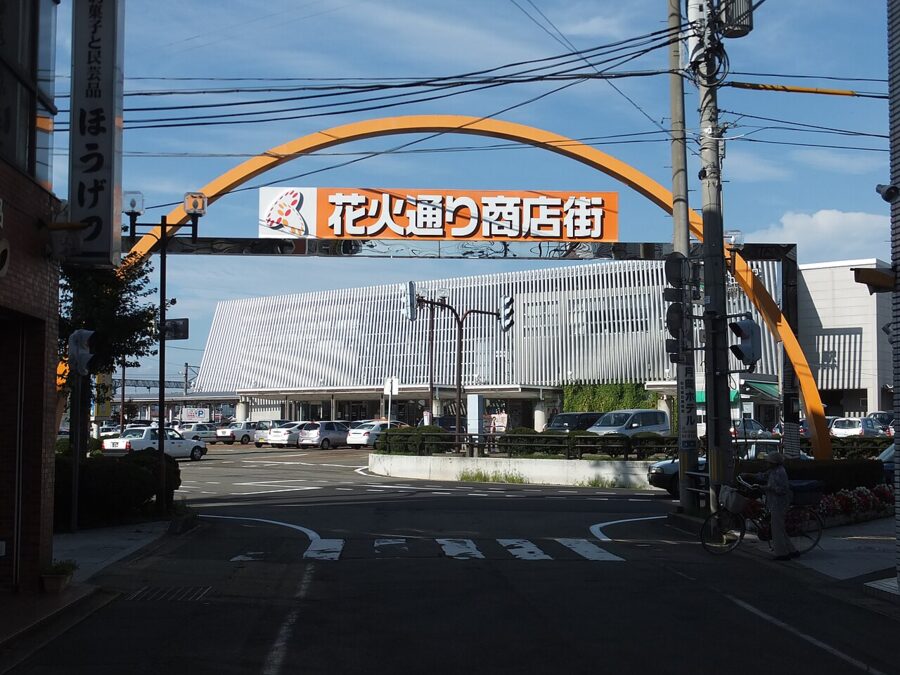
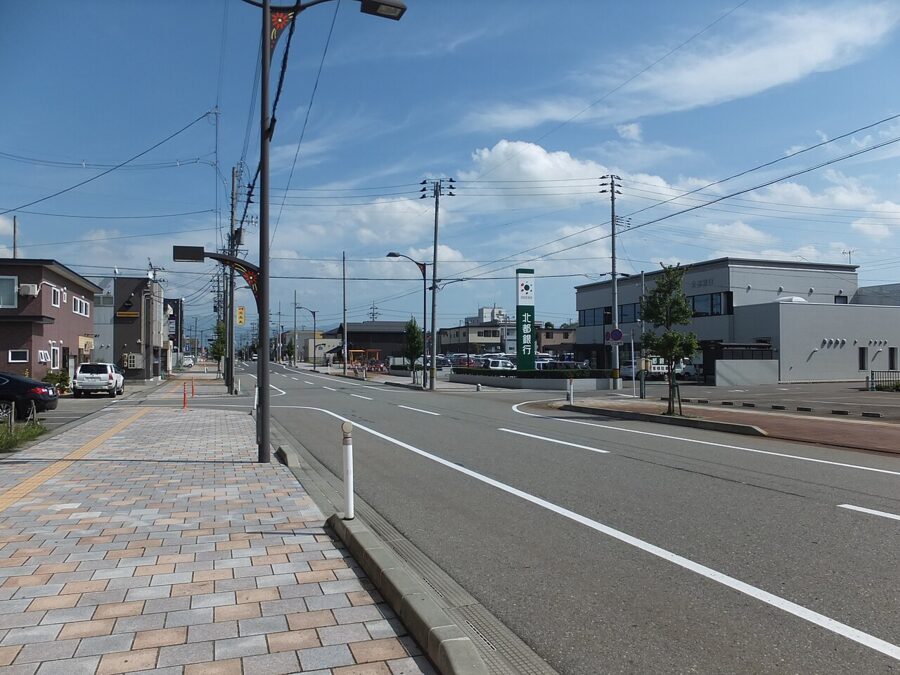
The walk is not a chore. Hanabi Street, the shopping street that runs from the station, fills with food stalls and small events through the afternoon. Go early, eat on the way and use the toilets in town while they still have short queues.
The return problem
On an ordinary Saturday timetable, the last Komachi that gets you to Tokyo the same night leaves Omagari at 19:43 and arrives at 23:04. The night programme starts at 19:00 and runs to 21:30. You cannot watch the competition and sleep in Tokyo.
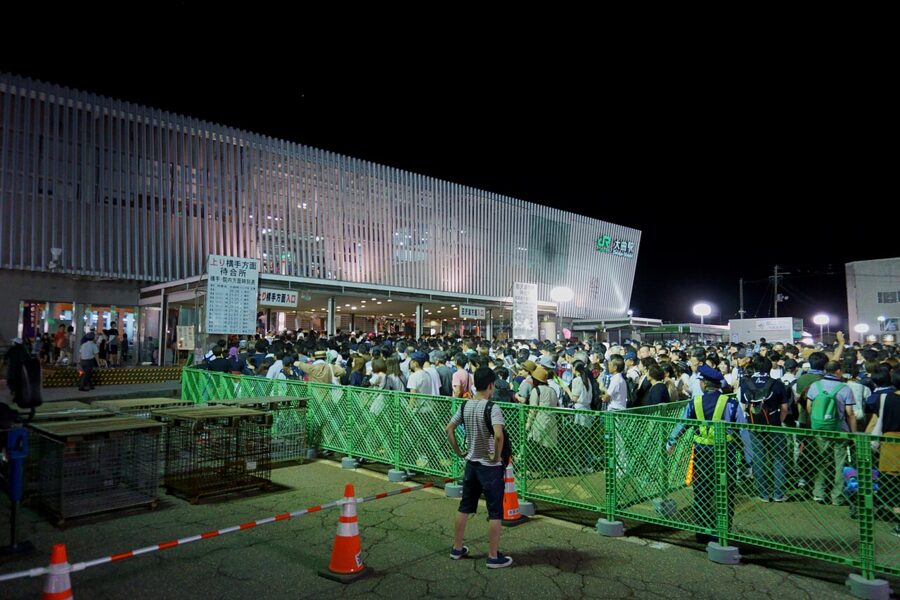
What JR East does instead is run special trains after the show, in every direction except Tokyo. In 2026 there were extra Komachi from Omagari to Morioka through the evening and into the small hours, the first leaving at 21:14, before the finale, and the last after midnight. Some of them could not be booked on Ekinet at all and had to be bought at a ticket office or a reserved-seat machine. Special local trains with names like Hanabi, Niagara and Starmine ran on the conventional lines, including the Ou Main Line towards Akita.
That leaves four realistic plans:
- Stay in Omagari or Daisen. Best, and almost impossible unless you booked very early.
- Stay somewhere on the line (Akita, Yokote, Kakunodate, Morioka) and take a special train there after the show. This is the plan most people from Tokyo end up with.
- Book a tour with a seat and a bus. The bus will sit in the same traffic as everyone else, but you sleep through it.
- Stay up. In 2026 JR East’s travel arm sold a seated overnight train back to Ueno as a tour, leaving Omagari at 1:27. Don’t count on it running again, but watch for it.
Driving is the worst option. Roads around the venue close from the afternoon, and the organisers warn of heavy jams on Routes 13 and 105 and around the Omagari interchange until 2:00 or 3:00. Car parks near the venue may not let you out until midnight. If you must drive, use the reservation car parks further out or park in a nearby town and come in by train.
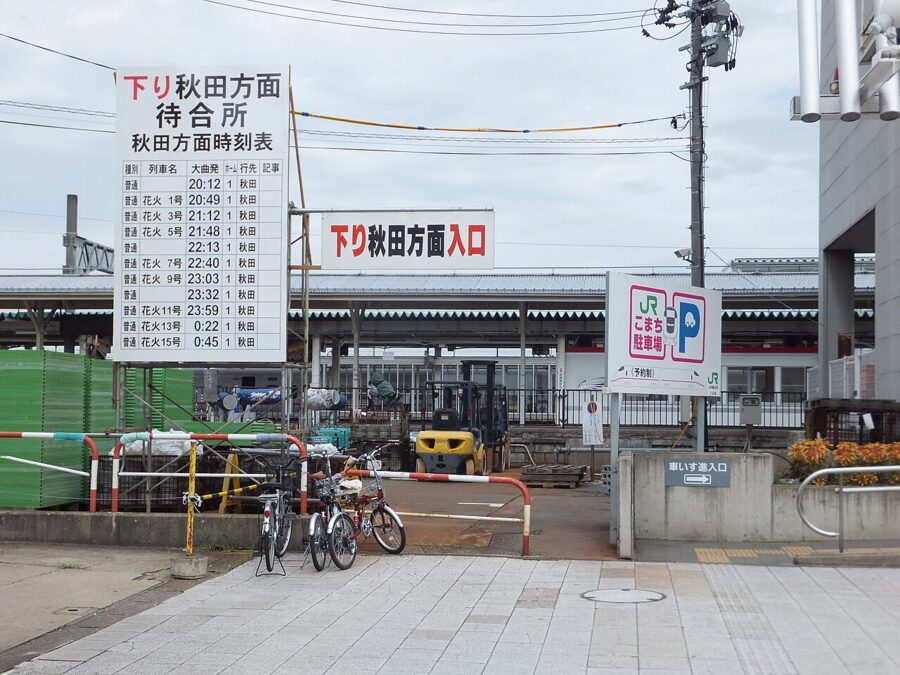
On Sunday morning, the first Komachi towards Tokyo leaves Omagari at 6:41 on the current weekend timetable. Book Sunday’s return when you book Friday’s or Saturday’s journey out; every other person in your carriage on the way up will be trying to go home the same day.
Where to sleep when Omagari is full
The organisers’ own advice is to look along the railway lines, and they name the towns. South on the Ou Main Line, Yokote and Yuzawa. North, Akita city and the onsen village of Kowakubi in Daisen’s own Nishisenboku area. East on the Tazawako Line, Kakunodate, Lake Tazawa, Shizukuishi and Morioka, where there are plenty of hot-spring inns and guesthouses.
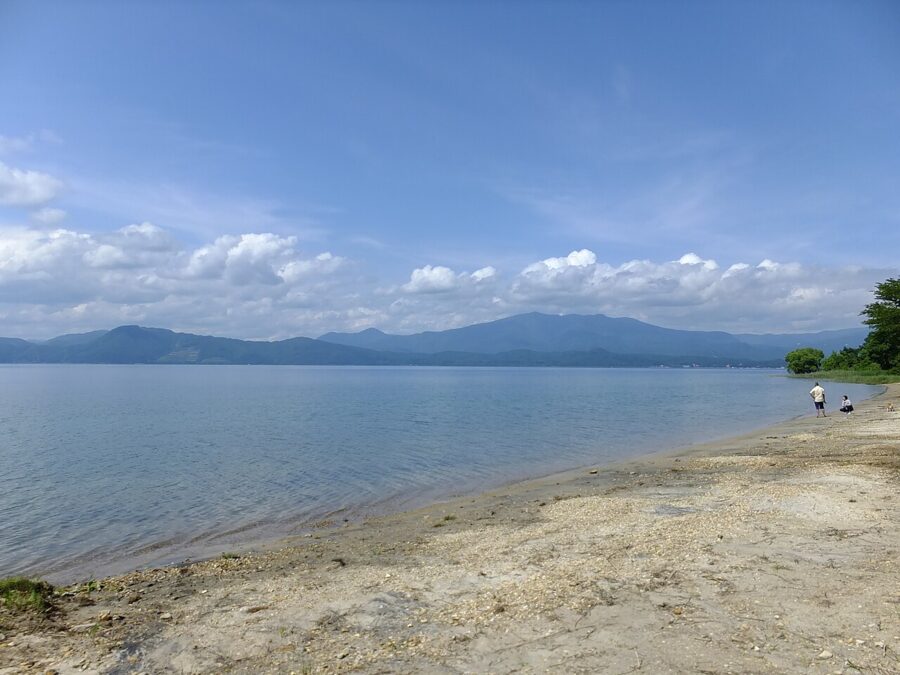
Akita city is the easiest. It has the most hotels in the prefecture, it is about 30 minutes from Omagari on the Komachi, and special trains run there after the show. Morioka is the other big base, about an hour away, with Komachi running back late. In both cases, book a room you can cancel the moment the date is announced, then book the seat.
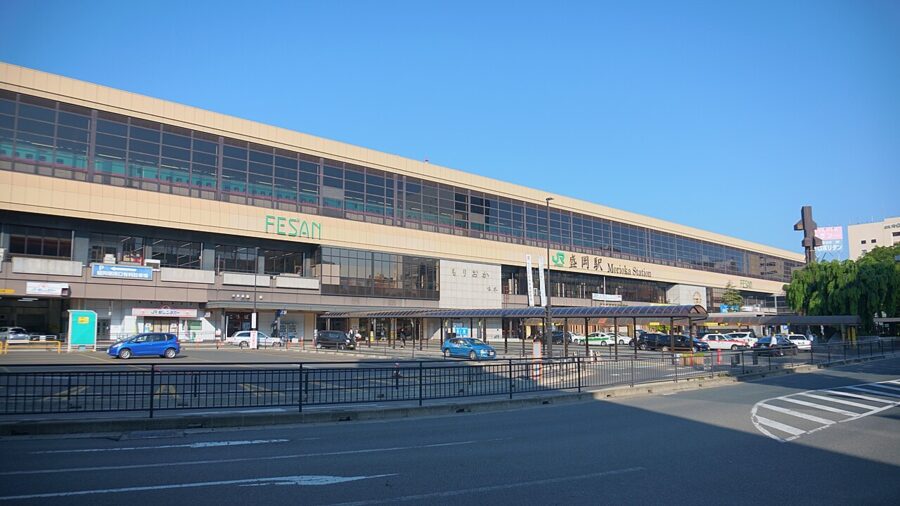
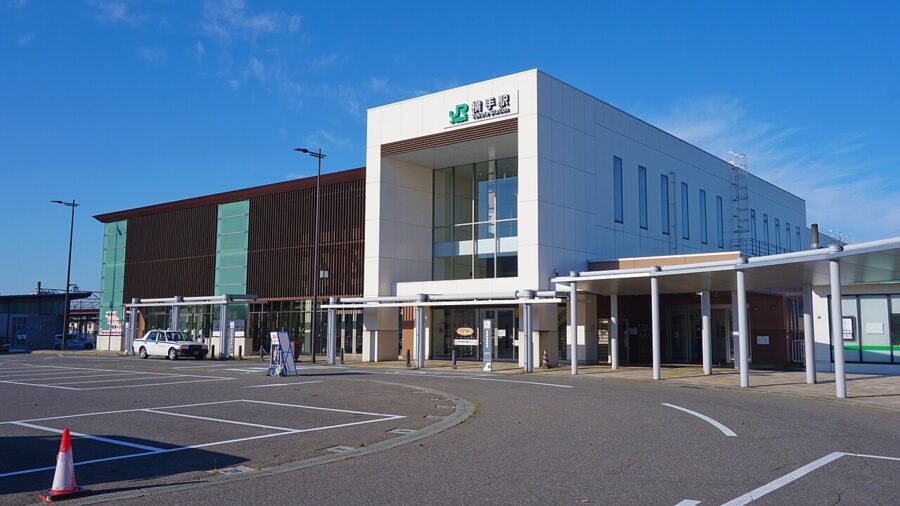
I would aim for Kakunodate or Lake Tazawa. They are smaller and fill sooner, but you wake up somewhere worth waking up in, and the next day almost plans itself.
Omagari’s other fireworks nights
Omagari does not wait for August. The organisers run two smaller seasonal shows at the same riverside venue, and they are a much easier trip.
- Spring Chapter (春の章), April. A new-works collection from younger pyrotechnicians plus a programme by overseas fireworks makers. In 2026 it was on 25 April, 19:00 to 20:30, with about 8,000 shells.
- Autumn Chapter (秋の章), October. An art fireworks festival with a different theme each year and experimental, theatrical work by local makers. In 2026 it was on 3 October, 18:00 to 19:30, also about 8,000 shells, with 100 ten-inch shells in the finale.
Both are smaller in every way, which is the point. Tickets are sold through the official app, the official site, convenience stores and the Omagari Chamber of Commerce, usually opening one to two months ahead, and there are sometimes a few on the day. The crowds are a fraction of August’s, the roads are calmer, and the trains home are less of a fight.
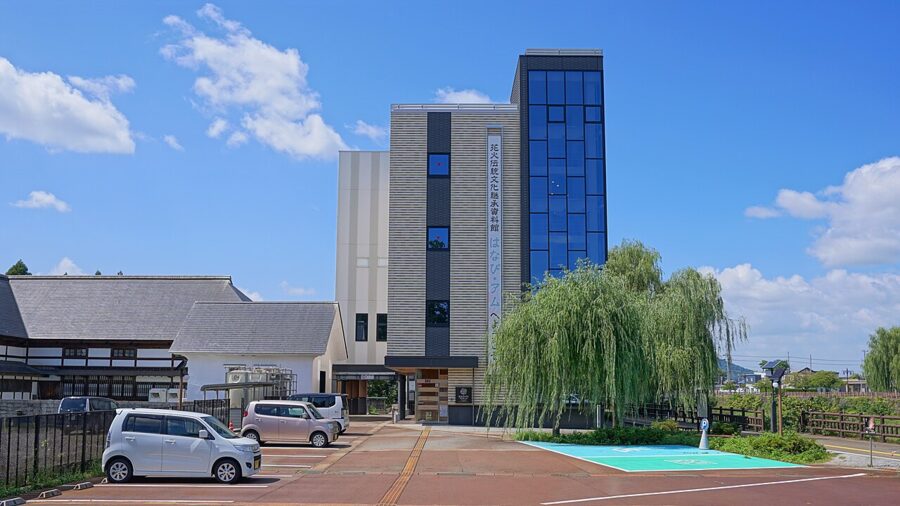
Whichever night you come for, leave an hour for Hanabi-Am, the fireworks heritage museum, about ten minutes’ walk from the station. It covers the history of the competition and fireworks culture, and admission is free. The exhibition area opens 9:00 to 17:00 and closes on Mondays (as of November 2026).
What to bring
The organisers’ list is short and practical, and it is worth reading because a few items on it surprise people.
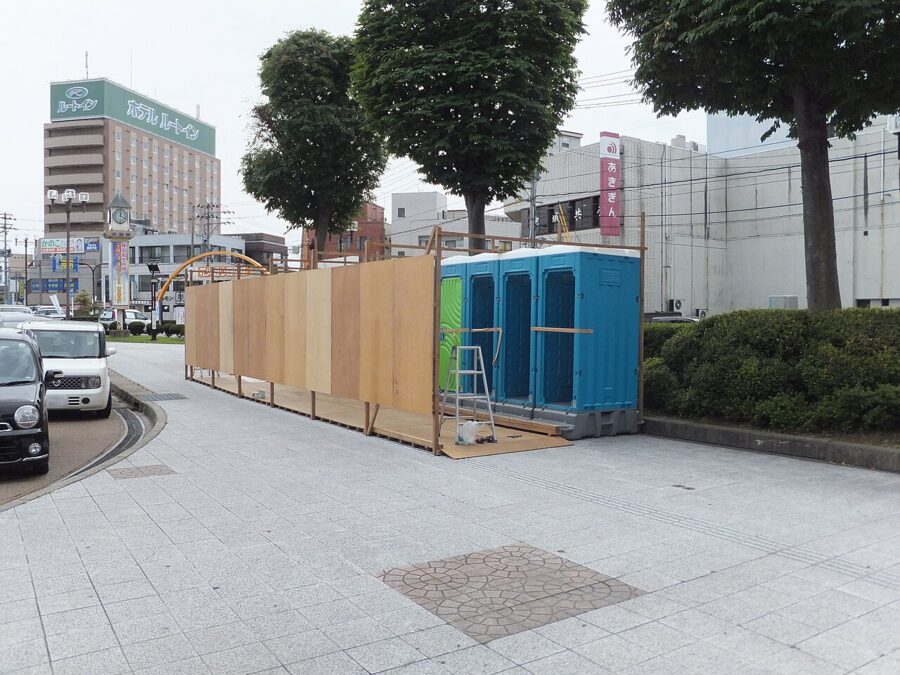
- Toilet paper. In summer, the portable toilets at the venue have none.
- Clothes you do not mind ruining. Ash and dye from the shells can fall on the seats.
- Shoes you can walk 2km in each way, on grass that may be mud.
- A hat, water and a fan for the afternoon, which can be over 30°C, and a layer for after dark when it cools fast.
- A raincoat or poncho. Umbrellas are not allowed once the show starts because they block the view.
- A cushion, if you have a bench or ground seat. Two and a half hours is a long time on a plank.
- Cash and a charged phone. Stall queues run 20 minutes, card readers are not everywhere, and you need the phone to find your friends afterwards.
Leave behind: tents, parasols, folding chairs and tables, stoves, tripods and monopods (allowed only in the photographer seats), bicycles, carts, pets and drones. You may eat and drink at your seat, but smoking is only allowed in the marked areas, and saving space for friends is against the rules. Rubbish goes to the collection points, sorted.
How the night runs, hour by hour
This is how a summer competition day goes, using the 2026 times. Adjust it when the 2027 programme is out.
| Time | What happens |
|---|---|
| Morning | The town fills. Traffic controls widen through the day, and jams start around 15:00. |
| Afternoon | Walk in along Hanabi Street, eat early, use the toilets in town. |
| 15:00 | The gates open. Find your seat while it is light. |
| 17:10 to 18:00 | Daytime fireworks: five smoke shells from each company. |
| 18:00 to 19:00 | The break. Food queues at the stalls are at their worst. |
| 19:00 | The opening salute, and the night competition begins. |
| 19:00 to 21:30 | Each company’s ten-inch shells and creative piece in turn, with sponsor fireworks and the organisers’ wide starmine. |
| 21:30 | The last shells and the closing salute, then the walk out. |
| 22:00 onwards | Station queues; special trains through the night towards Morioka, Akita and Yokote. |
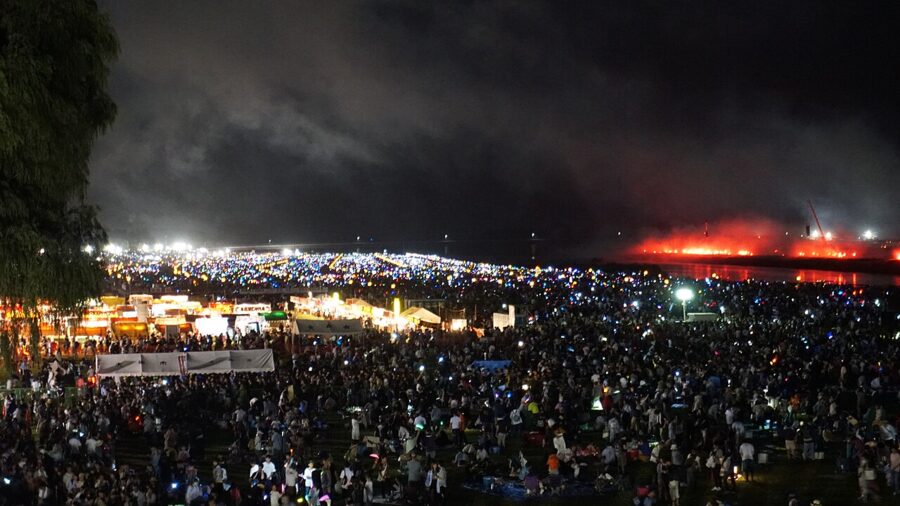
Stay for the very end. When the last shell has gone up, the crowd turns on phone lights and penlights and waves them at the far bank, and the pyrotechnicians wave torches back. It is called the eru no kokan (エールの交換), the exchange of cheers, and it is the moment people remember from Omagari more than any single shell.
Then comes the walk out. The exit is slow, the paths are dark and narrow in places, and everyone is heading for the same station. If your train or hotel is not until later, sit in your seat for half an hour and let the first wave go.
Kakunodate and the rest of Akita
Spend the Sunday in Kakunodate. It is ten minutes from Omagari on the Komachi, and it is the reason to book a hotel there rather than in Akita city. The old samurai quarter has kept its wide street, black board fences and the houses behind them, several of which are open to visitors.
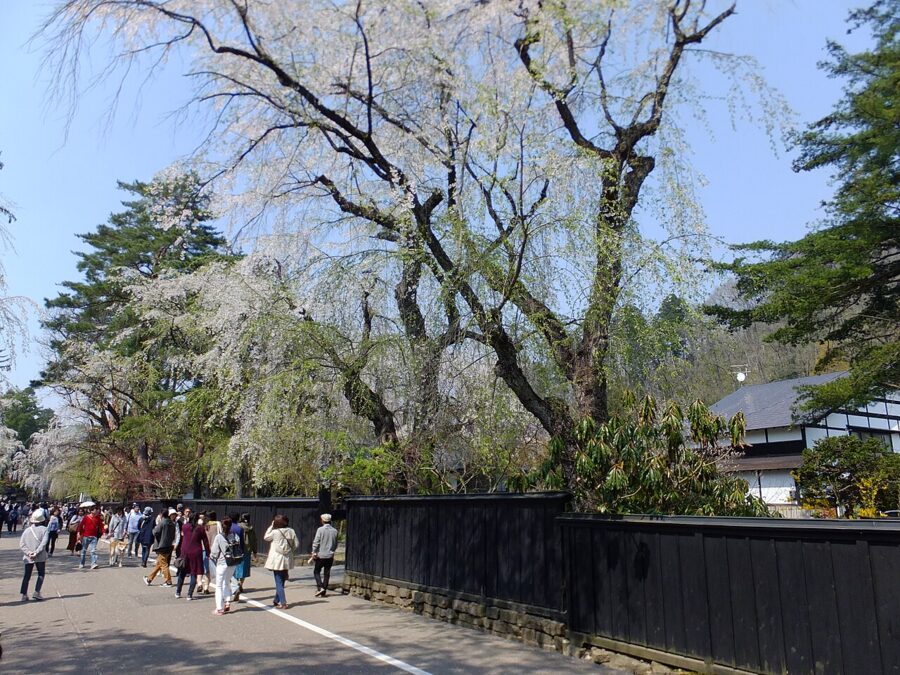
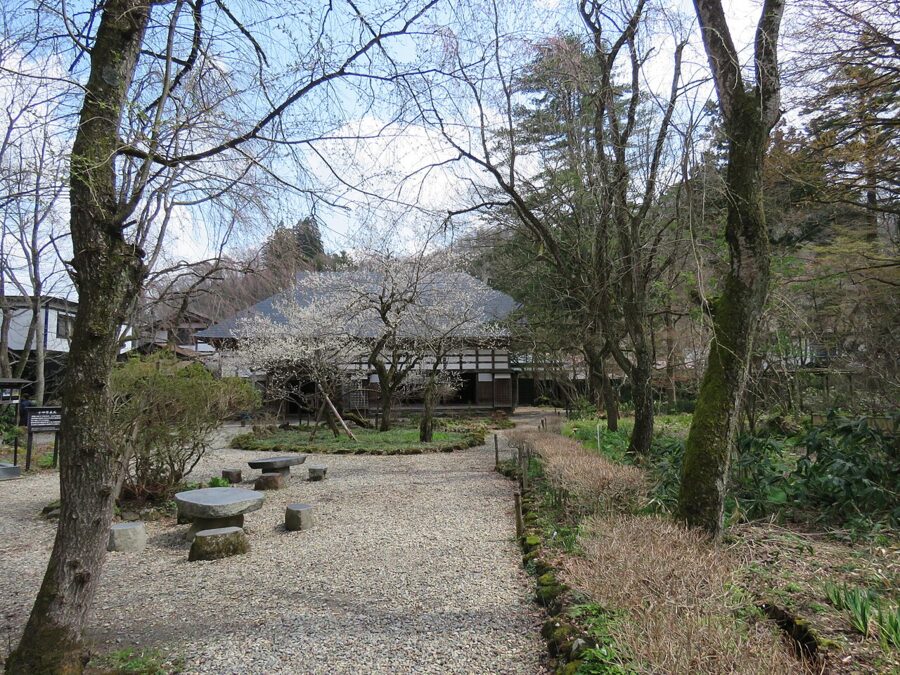
The street itself costs nothing to walk. The Aoyagi house is a cluster of storehouses and small museums in a garden, and it charges admission. Go in the morning, before the day-trippers from the fireworks wake up.
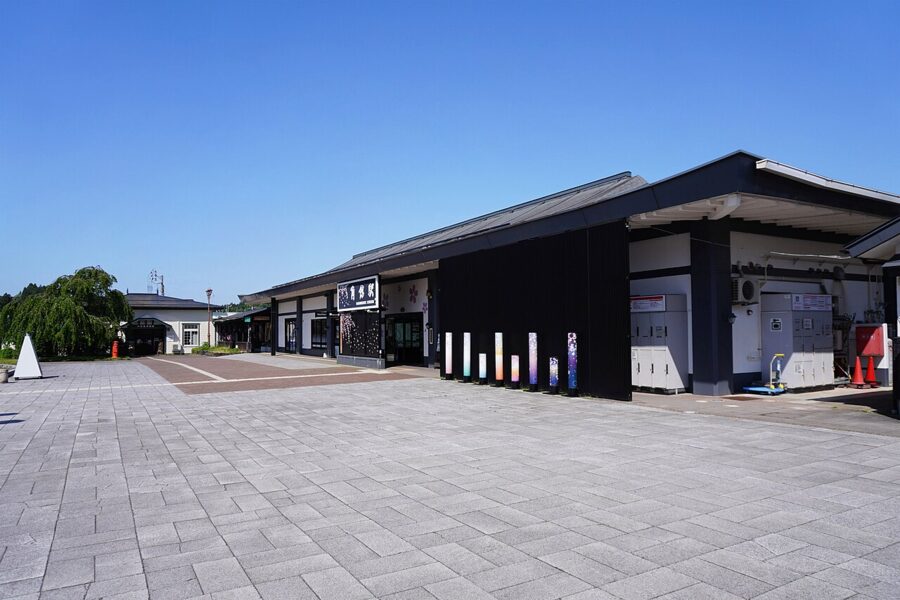
From Kakunodate the Komachi climbs on to Lake Tazawa and over the mountains to Morioka. That makes a neat long weekend: the fireworks on Saturday, a night in Kakunodate or by the lake, a slow Sunday at the water, and the Komachi home in the afternoon. The other direction works too. Yokote and Akita city are better if you want a business hotel at a business-hotel price with the station on the doorstep.
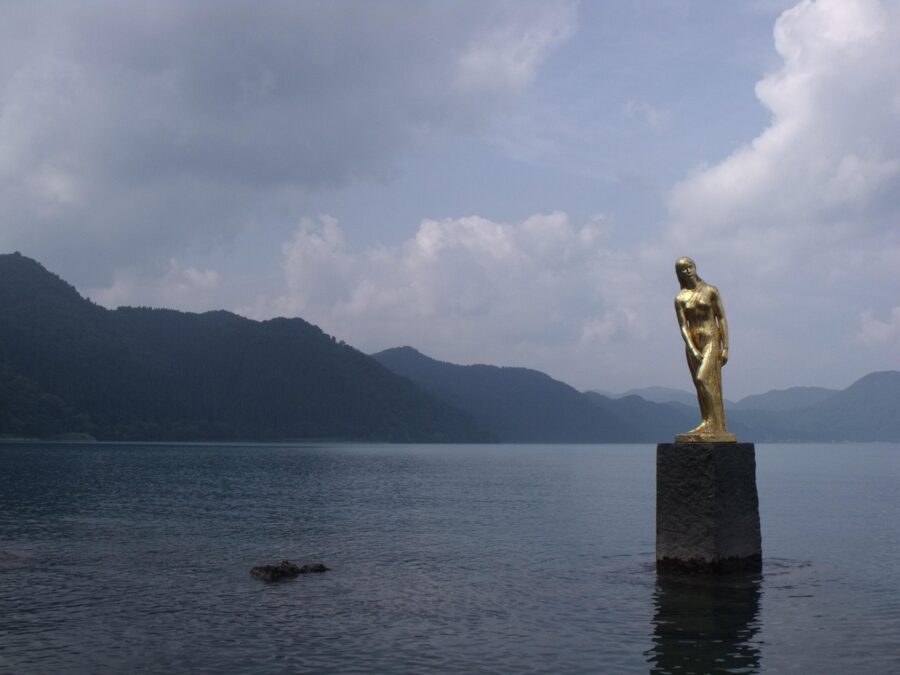
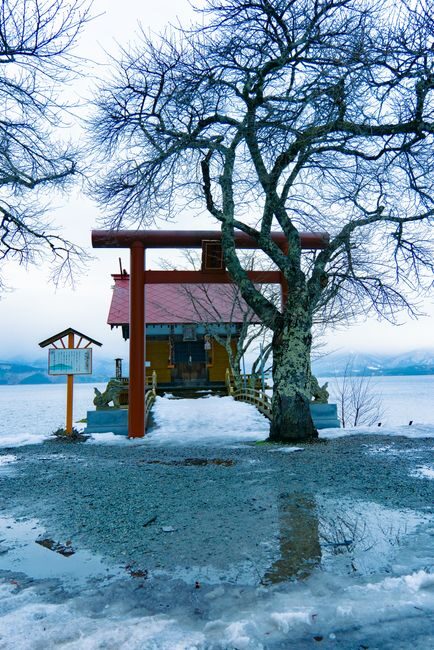
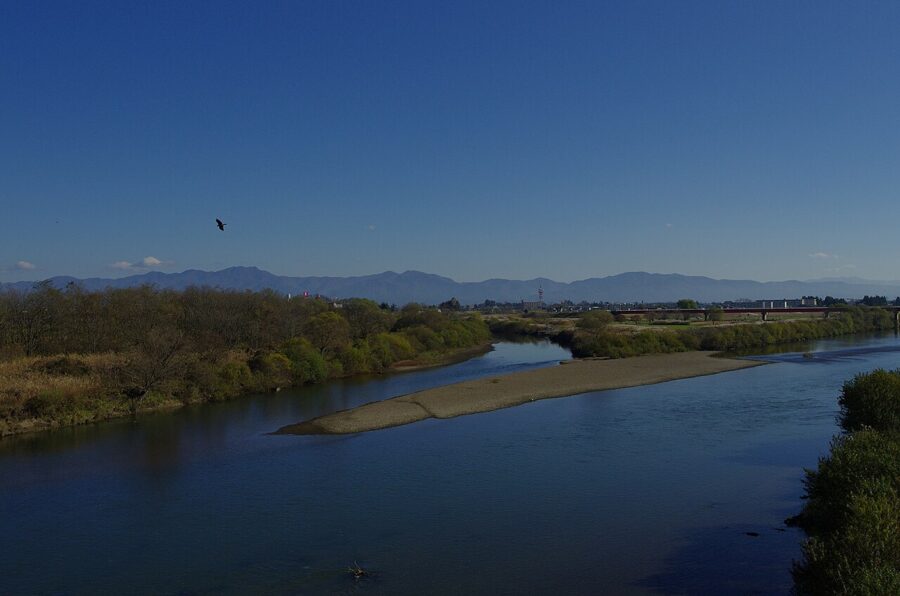
Book the hotel first, the seat second and the train third. Get that order right and the rest of the night takes care of itself, all the way to the slow walk back to the station with 100,000 other people.