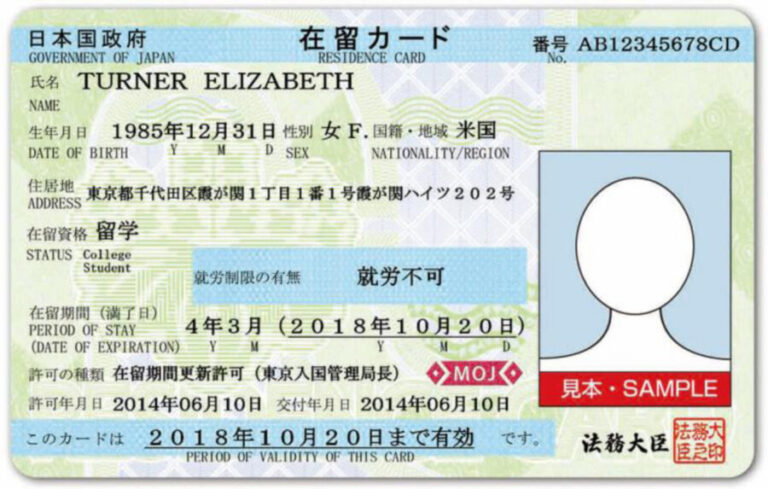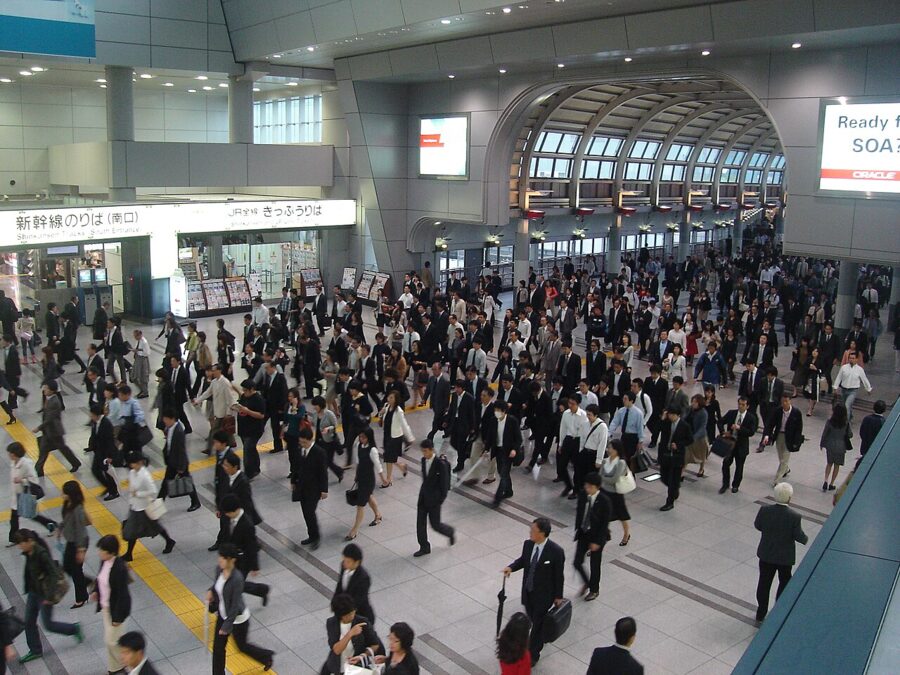
Some time in your first month, a manager in a Japanese office will ask you a question that sounds like a complaint about your work. Nande hayaku iwanakatta no? Why didn’t you say something sooner?
It is almost never about the work. It is about the silence.
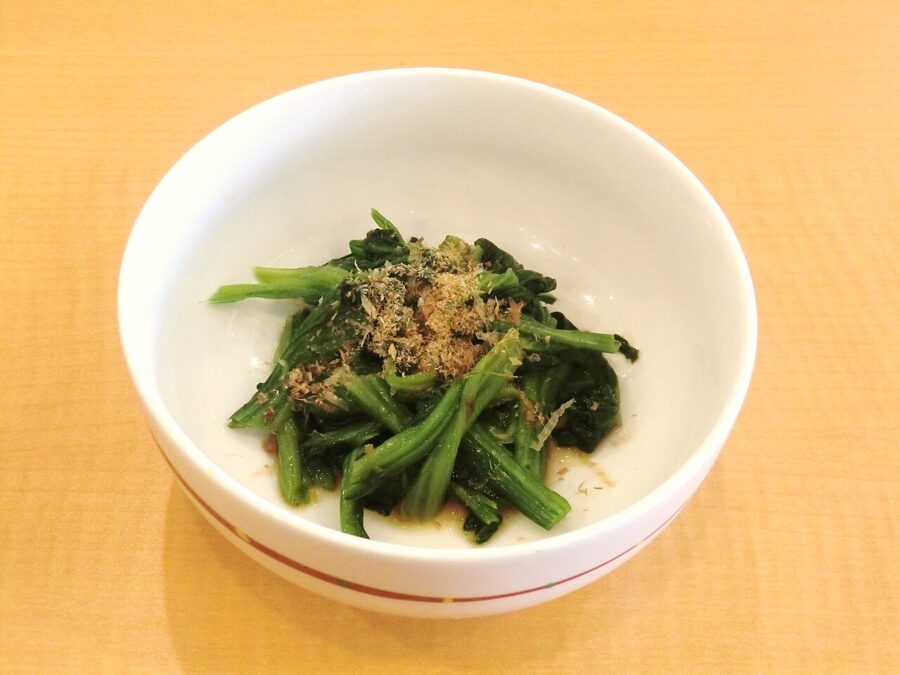
The habit your manager is reaching for has a name most Japanese new hires meet in their first week of training: ho-ren-so (報連相). It stands for hokoku, renraku and sodan: reporting, passing on information and consulting. Said aloud, it is also the word for spinach, which is why it stuck.
On paper it sounds like common sense. In practice it is a set of expectations about timing, about who hears what first, and about how much your boss wants to know before you have finished. A lot of the friction foreign staff feel in their first year comes down to those three syllables.
In this article9 parts
Three words, one vegetable
Each part of the word is a verb you will hear daily, and each points in a slightly different direction. Getting them roughly right tells your manager you understand what is being asked of you.
Hokoku (報告): reporting
Hokoku suru means to report on work you were given: progress, results, problems. It runs upward, to whoever assigned the task, and it is expected without being requested. The usual opener is go-hokoku ga arimasu (ご報告があります), “I have something to report.”
Business-manners trainers split it into three moments: the report when the job is done, the chukan hokoku (中間報告) or interim report along the way, and the report the moment something goes wrong. The third is the one that gets people in trouble, because the instinct is to fix the problem first and mention it afterwards.
Renraku (連絡): passing it on
Renraku suru means to let people know a fact they need: a meeting has moved, a client called, you are going to the dentist at three. It goes in every direction, to colleagues, other teams and clients as well as your boss. In training, a renraku carries facts, not your opinion of them.
You will see toriisogi go-renraku made (取り急ぎご連絡まで) at the end of countless short emails. It means “just letting you know quickly”, and it is the polite way to send a fact before you have the full story.
Sodan (相談): consulting
Sodan suru means to ask for advice or a decision before you act. It is the part most foreign staff underuse, because in many Western offices asking your manager how to handle something can read as not being up to the job. In a Japanese team it reads the other way round: deciding alone on anything that touches other people’s work is the risk.
The standard opener is go-sodan shitai koto ga aru no desu ga (ご相談したいことがあるのですが), “there is something I would like to consult you about.” In practice the three run together. You report a delay, pass the new date to the team, and consult on whether to tell the client today or tomorrow.
| Part | Who hears it | When | Typical opener |
|---|---|---|---|
| Hokoku 報告 | Whoever gave you the task | At milestones, at the end, and at once if something goes wrong | ご報告があります (go-hokoku ga arimasu) |
| Renraku 連絡 | Anyone affected | As soon as they need the fact | 取り急ぎご連絡です (toriisogi go-renraku desu) |
| Sodan 相談 | Your manager or a senior colleague | Before you decide | ご相談したいことがあるのですが (go-sodan shitai koto ga aru no desu ga) |
A securities house, a slogan and a bestseller
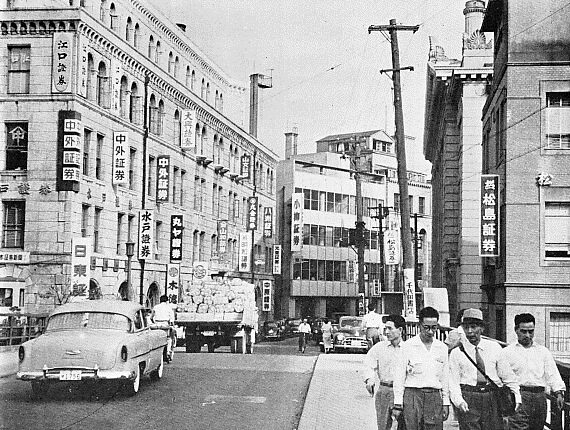
The word has a known author. Yamazaki Tomiji, president of Yamatane Securities, started an internal campaign around it in 1982. In September 1986 he published Horenso ga Kaisha o Tsuyoku Suru (ほうれんそうが会社を強くする, “Spinach Makes a Company Strong”) with Goma Shobo. It became a bestseller, and the term went from one brokerage into new-employee training manuals at companies across the country.
The gardening joke runs all the way through the book. One chapter calls ho-ren-so the best nourishment for keeping an organisation alive, another explains how to grow it, and the last two list eight nutrients that feed it and eight pathogens that make it wither.
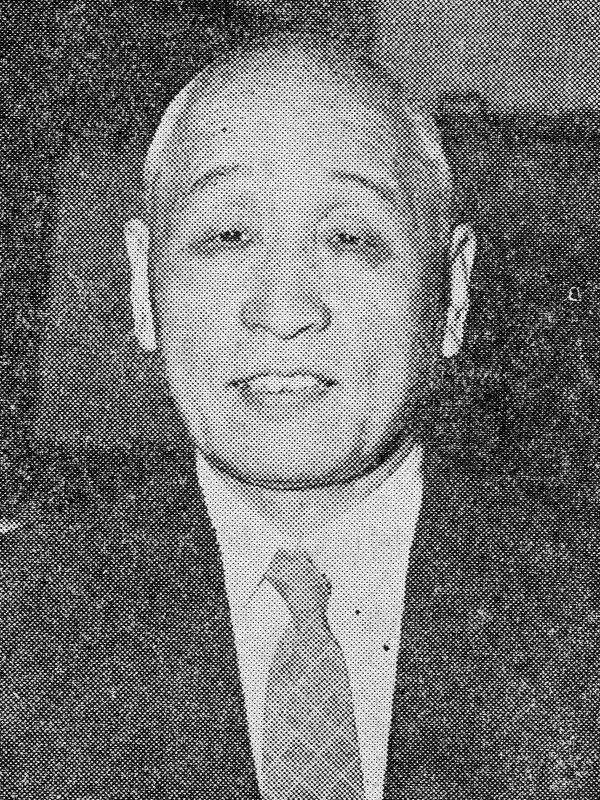
What gets lost in the retelling, and what Japanese commentators on the book keep pointing out, is who it was aimed at. Yamazaki was writing for managers: the people who keep bad news at arm’s length, scold the messenger and then wonder why problems arrive late. His case was that a company where junior staff can report easily fixes things early, and that making that possible was the boss’s job. Somewhere between 1986 and the modern induction seminar, it turned into a rule for juniors.
Through later mergers Yamatane Securities ended up inside what is now SMBC Nikko Securities. The slogan outlived the firm, because training companies and business-manners books made it the first lesson of working life.
How it runs through a working day
Nobody walks round an office saying “ho-ren-so”. You see it in the shape of the day instead: who speaks first in the morning, who is copied on what, and how fast a message gets answered.
The morning meeting
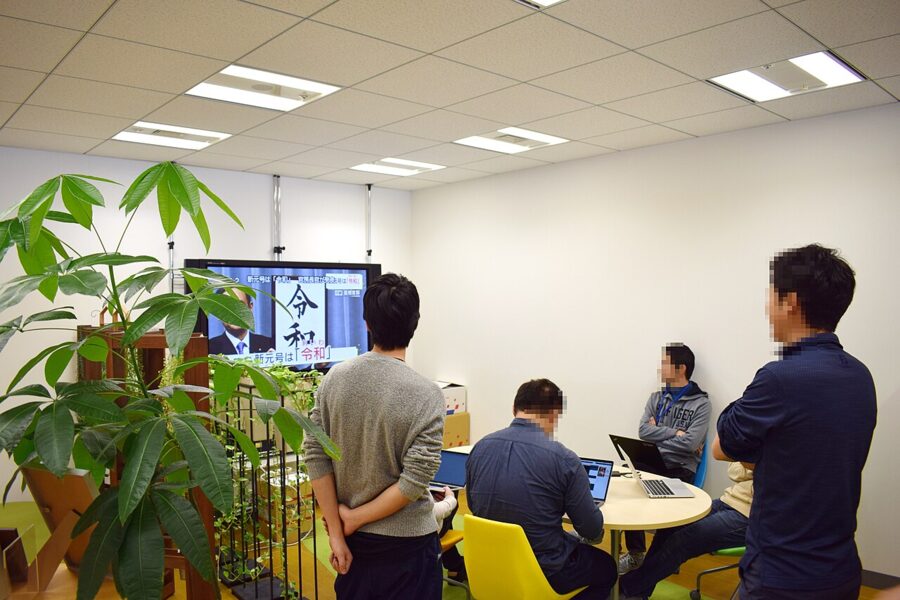
Many Japanese workplaces still open the day with a chorei (朝礼) or asakai (朝会), a short standing meeting where a manager passes on announcements and the team runs through the schedule. In a large company it may include a speech from a rotating member of staff; in a twelve-person IT team it may be ten minutes round a screen. Either way it is a renraku machine.
It is also where your boss finds out what you have not said. Mention in the morning that a client has gone quiet on a contract, and nobody is surprised by it at four in the afternoon. Some teams add a nippo (日報), a short daily report posted at the end of the day.

Email and the cc line
The first email you send in a Japanese office will be read by more people than you addressed it to. Copying your manager on messages to clients and other departments is how renraku happens without anyone repeating it. Leaving your boss off a thread that later goes wrong is a far bigger problem than cluttering their inbox.
If you add someone who was not on the earlier thread, note it at the top: CC de shitsurei shimasu (CCで失礼します), roughly “forgive the cc”. And when a thread grows long, a two-line summary for the people in cc is the most useful thing you can write all week.

Chat, read receipts and the remote week
Slack, Microsoft Teams, Chatwork and LINE WORKS now carry much of the short traffic that used to go by email or phone. The Ministry of Health, Labour and Welfare’s telework guidance treats reporting, contacting and consulting as the base of organised work at home as much as in the office, and notes that chat leaves a record everyone on the topic can see.
Its advice is worth copying even if you never work from home. Agree in advance how to reach people in an emergency, report trouble promptly rather than at the end of the day, and switch to a call when text is not enough. And after you consult someone, tell them how it turned out and thank them, which is easy to forget when you are not in the same room.
One chat habit trips up newcomers. A “read” marker or an emoji reaction is not approval, so if you need a yes, ask for one in words. Answer your own boss’s messages with shochi shimashita (承知しました), “understood”; many manners trainers consider ryokai desu (了解です) too casual for a superior.
The boss who wants to hear it early
Japanese managers repeat one line more than any other on the subject: warui hokoku hodo hayaku (悪い報告ほど早く), the worse the news, the sooner. A mistake reported at ten in the morning is a problem to solve. The same mistake found by the client at six is a problem to apologise for, and your manager will be the one apologising.

A March 2025 survey of 300 company employees with a boss, run by the management-training firm Shikigaku, shows how this plays out. The most common reporting moment was “when a problem occurs” (67.2% of those who report), ahead of major progress points (53.2%) and finishing a task (44.9%). Only 11.7% said their workplace had a set format for reports, so most people are guessing at how much detail is enough.
It also found a gap. Asked whether reports reach them in the right amount, 59.8% of bosses said yes, while 72.6% of subordinates thought they were getting it right. And 17.7% admitted they had at some point not reported something they should have.
Ho-ren-so and nemawashi
Nemawashi (根回し) began as a gardening word. Before moving a large tree, a gardener cuts its thick roots six months to a year ahead so that fine new roots grow and the tree survives the move. In an office it means talking to the people affected, one at a time, before a decision is formally put to them.
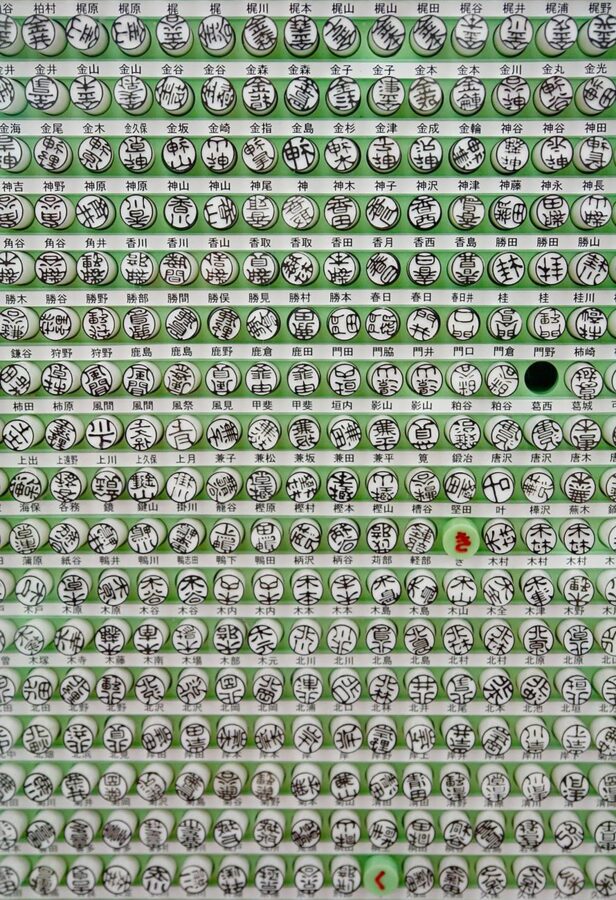
The two ideas meet at sodan. Consulting your manager before you propose something is the first step of nemawashi, and consulting the other teams it touches is the rest of it. By the time a proposal reaches a meeting, or a ringi-sho (稟議書, a formal approval request) starts up the hierarchy, nobody who matters should be seeing it for the first time.
That is why meetings in a Japanese company can feel oddly quiet: the arguing happened the week before. If you want to change something, speak during the sodan, not when the slides are on the screen. The order of who you consult usually follows the job titles: your direct superior first, then theirs, and never the other way round.
What your manager expects in year one
Ask Japanese staff a year or two into their careers what a new hire should learn first, and ho-ren-so still comes top. A survey of 1,380 workers aged 22 to 28 with at least a year’s service, run by the GMO Group’s Gen Z research unit on 1 and 2 April 2026, ranked it first among skills new graduates should pick up early, among second-year staff and among those three or more years in. Basic business manners came second in both groups.
In practice, a manager will usually expect five things from you in the first year:
- When you take on a task, agree when you will report and in what form. A midweek check on a Friday deadline is normal, not fussy.
- Say early if a deadline is at risk, not when it has been missed.
- Lead with the conclusion. Ketsuron kara moshiagemasu to (結論から申し上げますと), “to give you the conclusion first”, is worth having ready.
- Bring a suggestion when you consult, even a rough one, so the conversation is about choosing rather than starting from nothing.
- Close the loop. After any sodan, tell the person how it turned out.

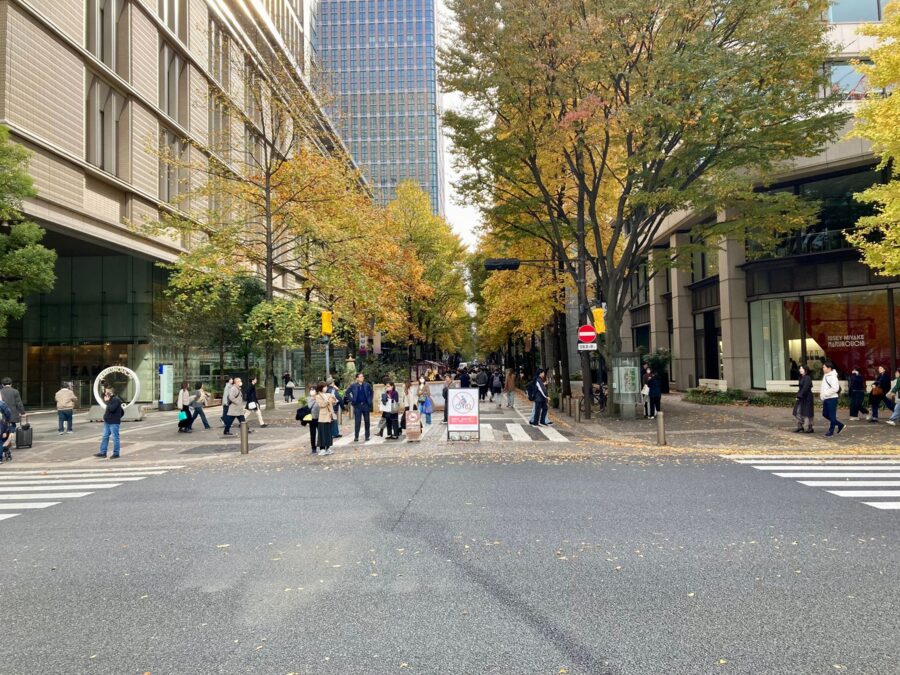
None of this is written in law, and it varies by company. A foreign-owned startup in Shibuya and a regional bank in Otemachi mean different things by “report early”. Ask your manager in the first week how they like to be told things: it is a sodan in itself, and almost everyone appreciates being asked.
Where foreign staff get it wrong
The misunderstandings are predictable, and most come from habits that work well elsewhere.
“I’ll tell you when it’s done.” In many Western offices, finishing without fuss marks a capable professional. In a Japanese team, a week of silence followed by finished work can feel like a week of not knowing whether there was a problem. The interim report is the part people forget.
Reading it as distrust. Frequent requests for updates can feel like micromanagement. Usually they are not about you: your manager is reporting upward too, and cannot do that without your news.
Deciding, then informing. Changing a supplier, a format or a date on your own and then announcing it is the classic mistake. Even when the decision was right, skipping the sodan means other people learn about a change to their work second-hand.

Going over your boss’s head. Emailing your manager’s manager directly, or copying them in to make a point, breaks the chain. If you have to escalate, consult your own boss first, even if only to say you plan to.
Keeping good news to yourself. Business-manners trainers note that Japanese staff often sit on good news out of modesty. Report it anyway, and credit whoever helped: it gives your manager something to pass upward.
Over-correcting. Some newcomers, warned about all this, start reporting every email they open, which wears a manager out as well. Agree in the first week which changes need a word straight away and which can wait for the daily update.
The case against it, and what managers try now
Ho-ren-so has plenty of critics inside Japan. It eats time, it trains people to wait for instructions (shiji machi, 指示待ち), and it puts the boss at the centre of every decision. A boss who demands constant updates and then shouts at the bearer of bad news gets the worst of both: lots of reports, none of them early.

The Shikigaku survey points at the receiving end. Almost everyone, 97.0%, called ho-ren-so important, but only 75.0% found it easy with their own boss. The most common reasons were the manager’s temperament and an atmosphere that made speaking up hard; the bosses people found easy to report to gave clear instructions and listened without dismissing or criticising.
Management writing has answered with its own vegetable. Ohitashi, after the spinach dish, is a reminder for the person receiving reports: okoranai (don’t get angry), hitei shinai (don’t reject), tasukeru (help) and shiji suru (give clear direction). Nobody seems sure who coined it, but it turns up regularly in Japanese management writing, and it is close to what Yamazaki was arguing in 1986.
Zassou (ザッソウ), from zatsudan (small talk) and sodan, is the idea of Kurauchi Yoshihito, who runs the software company Sonic Garden and wrote a book on it. His argument is that teams doing unpredictable, creative work need easy, early, slightly messy consultation more than formal reports. The pun works twice, since zasso also means weeds.

Then there is the 1on1, the regular private meeting between a manager and each member of staff, which Yahoo Japan adopted in 2012 and many other companies have since taken up. And shinriteki anzensei (心理的安全性), psychological safety, is now the phrase managers reach for when they mean an office where people speak up early. None of these replace ho-ren-so. They are attempts to make the boss’s half of it work.
What to actually say
The scripts below are polite enough for a direct superior in most companies. Open with ima, sukoshi yoroshii desho ka (今、少しよろしいでしょうか), “do you have a moment?”, keep each one short, and say the most important sentence first.
Reporting a problem
○○社の件で、ご報告があります。納品したデータに誤りがありました。現在、影響の範囲を確認しています。15時までに詳細をご報告します。
Marumaru-sha no ken de, go-hokoku ga arimasu. Nohin shita deta ni ayamari ga arimashita. Genzai, eikyo no han’i o kakunin shite imasu. Jugo-ji made ni shosai o go-hokoku shimasu.
I have something to report about the client account. There was an error in the data that went to them. I’m checking how far it reaches and will report the details by three o’clock.
It does not wait until the cause is known, and it says when the next update will come.
Reporting a delay
○○の資料ですが、金曜の締め切りに間に合わない可能性があります。先方からのデータがまだ届いていないためです。月曜の午前までお時間をいただくことは可能でしょうか。
Marumaru no shiryo desu ga, kin’yo no shimekiri ni maniawanai kanosei ga arimasu. Senpo kara no deta ga mada todoite inai tame desu. Getsuyo no gozen made o-jikan o itadaku koto wa kano desho ka.
About the report: there’s a chance it won’t make Friday’s deadline, because the client’s data hasn’t arrived yet. Would it be possible to have until Monday morning?
Say “there’s a chance” on Tuesday, not “it’s late” on Friday. Offering a new date turns the report into a sodan, which is what your manager needs to decide anything.

Reporting good news
ご報告です。○○社から、正式に発注のご連絡をいただきました。ご紹介いただいたおかげです。ありがとうございました。
Go-hokoku desu. Marumaru-sha kara, seishiki ni hatchu no go-renraku o itadakimashita. Go-shokai itadaita okage desu. Arigato gozaimashita.
Some news: the client has confirmed the order. It’s thanks to your introduction. Thank you.
Passing on information
取り急ぎご連絡です。明日の打ち合わせが14時から15時に変更になりました。会議室は同じです。
Toriisogi go-renraku desu. Ashita no uchiawase ga juyo-ji kara jugo-ji ni henko ni narimashita. Kaigishitsu wa onaji desu.
Quick update: tomorrow’s meeting has moved from two to three. Same room.

Asking to consult
○○の件で、ご相談したいことがあるのですが、10分ほどお時間をいただけますか。A案とB案で迷っていまして、私はA案がよいと考えています。
Marumaru no ken de, go-sodan shitai koto ga aru no desu ga, juppun hodo o-jikan o itadakemasu ka. A-an to B-an de mayotte imashite, watashi wa A-an ga yoi to kangaete imasu.
I’d like to consult you about the project. Could you spare ten minutes? I’m torn between plan A and plan B, and I lean towards A.
Closing the loop
先日ご相談した件ですが、アドバイスいただいた方法で解決しました。ありがとうございました。
Senjitsu go-sodan shita ken desu ga, adobaisu itadaita hoho de kaiketsu shimashita. Arigato gozaimashita.
About the issue I consulted you on the other day: it’s sorted, using the approach you suggested. Thank you.
Where the spinach started
The company that coined the word is long gone, but the Yamazaki family’s museum is still open. Yamazaki Taneji opened the Yamatane Museum of Art in Kabutocho in July 1966 as Japan’s first museum devoted to Nihonga, Japanese-style painting. Tomiji became its second director, and the collection moved to a purpose-built home in Hiroo in October 2009.

It is about ten minutes on foot from Ebisu Station (JR), west exit, or Ebisu Station (Hibiya Line), exit 2. As of November 2026 it opens 10:00 to 17:00 with last entry at 16:30, and closes on Mondays (or the Tuesday after a holiday Monday), between exhibitions and over the New Year. Admission to The Best of Yamatane Collection I, running to 6 December 2026, is ¥1,500 (about $10), or ¥1,300 bought in advance; part two runs from 12 December 2026 to 7 March 2027.

It is a quiet place for a Saturday, and the paintings have nothing to do with office life. But the man behind the most repeated rule in Japanese induction training was worried about bosses who did not want to hear bad news. Say it before anyone has to ask. That is most of ho-ren-so.